Introduction
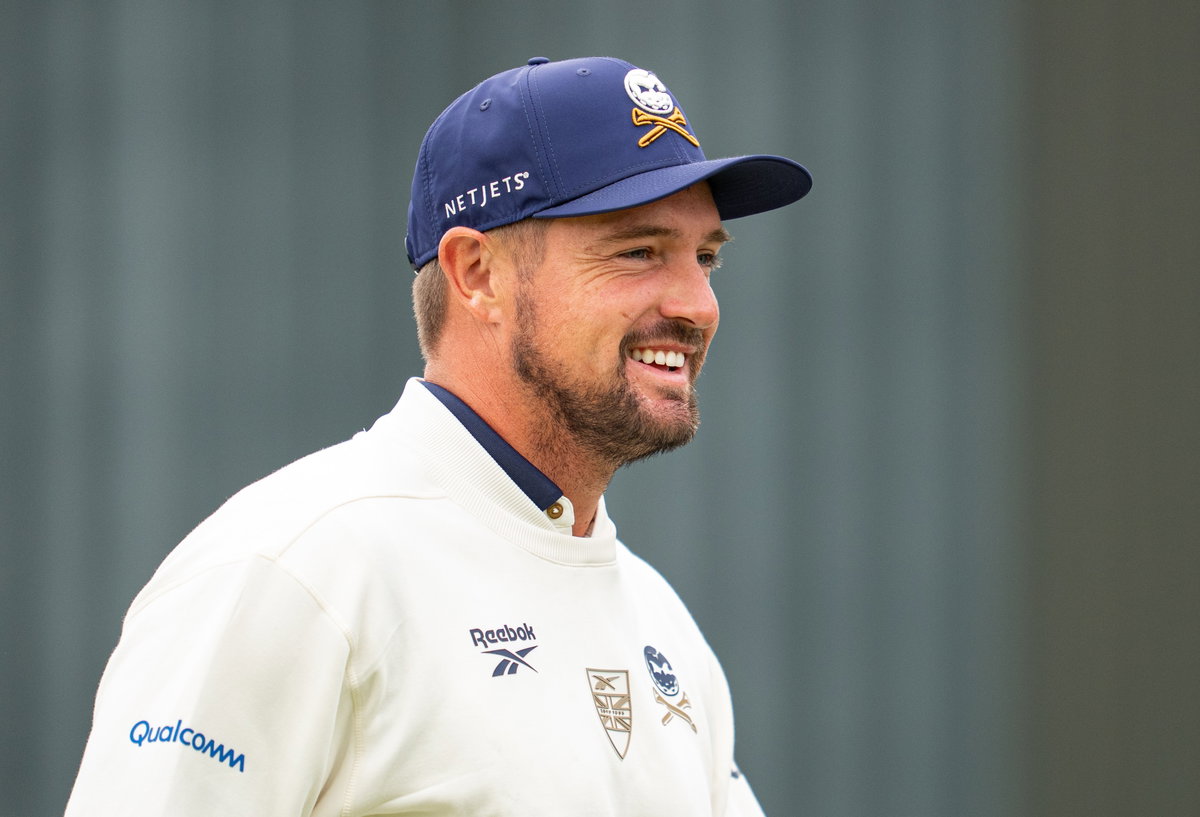
In a significant move that reflects the shifting tides in professional golf, Bryson DeChambeau has made headlines by reaffirming his commitment to LIV Golf amidst swirling rumors about a potential return to the PGA Tour. Known for his unique approach to the game, DeChambeau's statements not only clarify his future but also underscore the ongoing debates regarding the influence of financial incentives in the sport.
Key takeaways
- DeChambeau dismisses rumors about returning to the PGA Tour.
- He emphasizes his commitment to LIV Golf.
- His statements challenge traditional structures and financial models in golf.
- The response from fans and players has been mixed.
Context and background
The emergence of LIV Golf has dramatically reshaped the landscape of professional golf since its launch, offering innovative formats and substantial financial incentives that have appealed to players worldwide. Traditionally, golfers relied on tournament earnings, sponsorships, and endorsements, but the influx of wealth from LIV Golf has disrupted these norms. Players participating in the league were guaranteed a minimum payout of $120,000, contrasting sharply with the pursuit of income through conventional competition on the PGA Tour.
As the sport navigates this transformation, it has raised critical discussions about the future of golf, player freedoms, and competitive integrity. Former PGA Tour members have flocked to LIV Golf, creating a new competitive environment and intensifying debates over loyalty to traditional institutions.
DeChambeau’s firm stand
Bryson DeChambeau is no stranger to challenging the status quo in golf. His distinctive analytical approach—leveraging data to redefine distance and strategy—has made him a polarizing figure. Within these recent discussions, his decision to make a strong statement in favor of LIV Golf reflects both personal conviction and a broader critique of the deeply rooted traditions in the sport.
Facing backlash from devoted PGA Tour fans, DeChambeau remains steadfast. He declared,
This unwavering confidence in LIV Golf serves not only to bolster his own career but also emphasizes a shift towards player empowerment and financial independence. DeChambeau's influence extends beyond his recent errant drives and experimental swing techniques; he is also a symbol of the metamorphosis within professional golf."I’m a proud member of LIV Golf, and I firmly believe in what we’re building."
— Bryson DeChambeau
Statistically, Bryson DeChambeau reached a career-defining moment in 2020 by winning the U.S. Open, a victory that not only solidified his status as one of the game’s elite but also showcased how distance could be wielded as a weapon. This success, together with his distance-driven strategy, positions him as a significant voice in conversations about the current and future states of competitive golf.
In their own words
"I’m a proud member of LIV Golf, and I firmly believe in what we’re building."
— Bryson DeChambeau
What this means for golfers
For recreational golfers, DeChambeau’s commitment to LIV Golf illustrates the evolving dynamics of professional golf. As leading players begin to gravitate toward leagues with higher financial rewards, aspiring golfers may see an uptick in sponsorship opportunities and endorsements tailored toward emerging talent. This shift suggests a more vibrant ecosystem for players at all levels.
A crucial takeaway for amateurs is the increasing significance of personal brand development, which, coupled with strategic career navigation, can lead to greater financial stability. Understanding the changing market landscape can aid up-and-coming golfers in shaping their professional trajectories effectively. These developments signal not only a transformation in the economic framework of golf but also foster more opportunities for golfers at different stages in their careers.
What’s next
The golf community is in a state of heightened anticipation regarding how the ongoing tension between LIV Golf and the PGA Tour will unfold. Upcoming tournaments are sure to draw increased attention, particularly those featuring former PGA Tour staples now competing under the LIV banner. Debit conversations around player loyalty, financial implications, and competitive integrity are likely to intensify.
DeChambeau’s commitment acts as a pivotal chapter in the larger narrative reshaping the game. Whether this will engender a sense of unity among players or create further division remains uncertain, yet the dialogues initiated by these developments are vital in comprehending the modern landscape of professional golf.