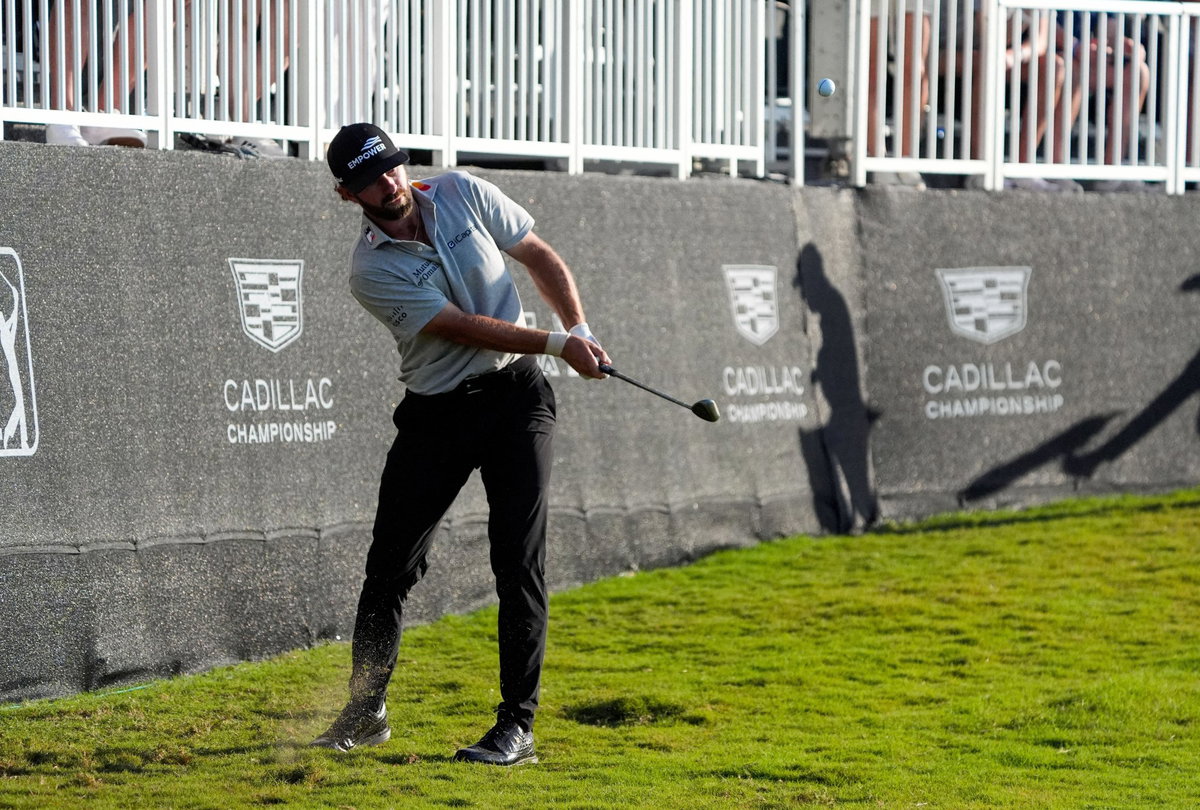
Why Jordan Spieth made rare equipment changes mid-season
In a surprising twist in professional golf, three-time major champion Jordan Spieth made headlines this week by debuting significant equipment changes during the ongoing season. Notably, Spieth has switched to a new golf ball and opted for Titleist's GTS2 driver and 3-wood—a move considered extremely rare for a player of his caliber at this point in the season. This unexpected decision prompts a reflection on his performance and aspirations on the PGA Tour.
Key takeaways
- Jordan Spieth introduced a new golf ball and switched to Titleist's GTS2 driver and 3-wood.
- This change is considered rare for players, especially during the competitive season.
- Spieth's recent performance had been under scrutiny, making the change all the more intriguing.
- Evaluating equipment adjustments can provide insights into a player's confidence and strategy.
Context and background
Jordan Spieth's career trajectory has been nothing short of remarkable, with three major championships secured by the time he turned 23. With a total of 15 professional wins and being one of the youngest players to achieve golf's career Grand Slam, his journey through the sport has been decorated. However, in recent years, expectations have been tempered by fluctuating performances on the course, prompting discussions about the potential impact of his equipment choices. On the PGA Tour, consistency often takes precedence over experimentation, and changing golf balls or clubs mid-season can be a high-risk decision.
Unpacking Spieth's surprise equipment overhaul
Spieth's recent decision to switch to the Titleist GTS2 driver and 3-wood signifies a tactical adjustment rather than a mere trial run. Researching performance metrics indicates Spieth had experienced notable struggles with distance and accuracy in past tournaments, key components of success in competitive golf. Averaging 298 yards with his former driver, he faced mounting inconsistency that could jeopardize his chances on critical holes throughout his rounds.
In addressing these concerns, the GTS2 driver emerges as a particularly appealing option for Spieth. This driver is designed with advanced technology that enhances forgiveness on off-center hits, aligning with Spieth's quest for consistency. As golf courses extend and conditions fluctuate, players increasingly rely on their equipment to adapt to these challenges.
Moreover, switching his golf ball is no standard task for Spieth; he has curated a specific feel and spin that has garnered admiration among his peers. After testing the new ball extensively on the practice green, Spieth reported positive results when pairing it with the GTS2 driver, leading him to integrate it into his competitive play.
In their own words
"It's not often in my career I've made such a significant change mid-season, but I felt a shift was needed to get back to where I want to perform. The GTS2 driver seems to eliminate those frustrating misses we've seen lately."
— Jordan Spieth
"We're in an era where technology in golf clubs and balls really can make a difference. If Spieth believes these adjustments will improve his game, then it’s no surprise he made the switch."
— Equipment Expert
What this means for golfers
The implications of Spieth's equipment changes resonate beyond the professional realm and offer valuable lessons for recreational golfers. His decision to adapt underscores the importance of continuous evaluation of one's gear—a principle that is equally vital for amateur golfers seeking improvement. Spieth's willingness to modify his equipment demonstrates that even established players recognize the necessity for innovation.
For golfers considering new equipment, it may be advantageous to experiment with variations in gear and embrace the technological enhancements that modern equipment provides. Specifically, drivers like the GTS2 could present opportunities for improved distance and accuracy. The case of Spieth illustrates that every golfer, regardless of their stature, can benefit from evaluating their tools to align with their dynamics and aspirations on the course.
What's next
As the season progresses, the golf community will watch closely to see whether these changes yield the desired results for Spieth. Key upcoming tournaments, including the U.S. Open and The Open Championship, will serve as critical platforms for him to measure the effectiveness of his decisions. Observers will be keen to follow how he adapts his overall strategy in response to his new equipment and whether this mid-season overhaul can enhance his performance in a competitive landscape. Spieth's proactive adjustments may well serve as a model for other players facing challenges in the rigorous world of professional golf.