Introduction
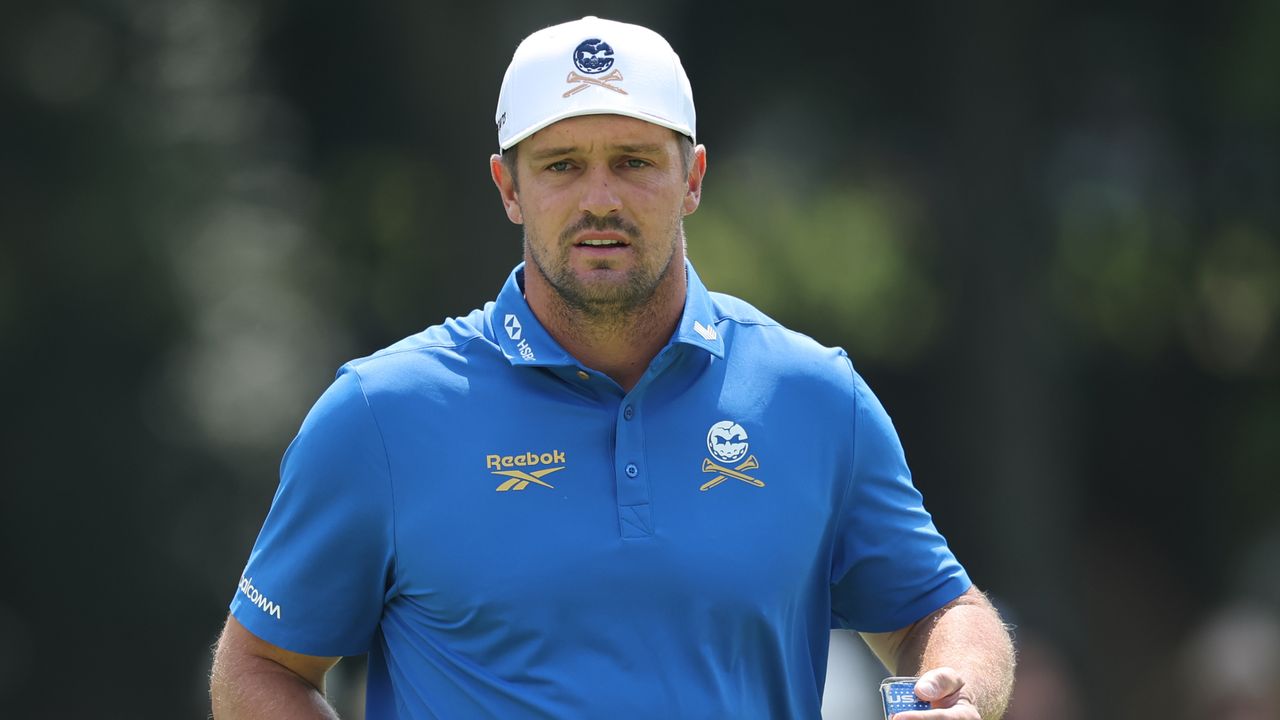
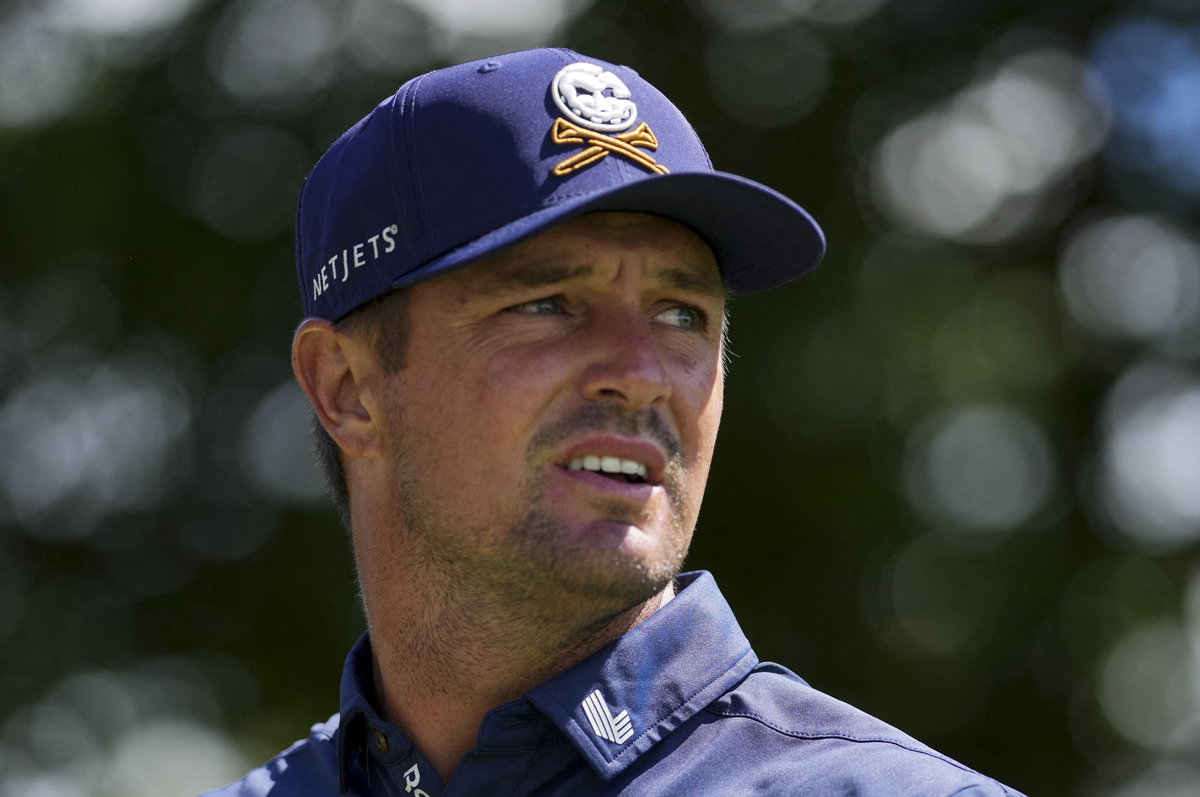
In the world of professional golf, few topics have sparked as much discussion as the emergence and potential decline of the LIV Golf series. Recently, Bryson DeChambeau, one of the circuit's most high-profile players, voiced his shock following reports regarding a significant funding decision that could impact LIV Golf's viability. His candid reaction—"That’s frickin’ impossible"—reflects not only his personal concerns but also the larger uncertainty surrounding the future of the controversial tour.
Key takeaways
- Bryson DeChambeau expressed disbelief over reports of potential LIV Golf funding changes.
- He has contemplated his own future should LIV Golf cease to exist.
- The reaction highlights the broader uncertainty surrounding the profitability and longevity of LIV Golf.
- DeChambeau's comments may resonate with other players navigating their futures in professional golf.
- Players have continued to weigh their allegiances towards established tours like the PGA amid LIV's challenges.
Context and background
LIV Golf burst onto the scene in 2022 with significant financial backing, drawing attention for its innovative approach to tournament formats and lucrative payouts. However, the tour quickly met controversy for enticing players with staggering contracts at the expense of the established PGA Tour. Players like DeChambeau, who signed on for LIV's ambitious venture, showcased the allure of financial success that the tour offered, but such a rapid rise inevitably leads to questions about sustainability.
Recently, rumors surfaced suggesting that financial support for LIV Golf might be dwindling, creating a potential chain reaction that could threaten the tour’s survival. This concern is not just limited to DeChambeau; many professionals are facing similar dilemmas regarding the potential for change in the competitive landscape of golf.
Unpacking the shock: Bryson DeChambeau's reaction
Bryson DeChambeau's reaction to the reports serves to underscore a growing sense of unease among LIV Golf players. Known for his analytical approach to the game, DeChambeau took to social media to express his disbelief regarding the potential for funding discontinuation. His statement, “That’s frickin’ impossible,” isn't merely a reaction to news but signals the possible ramifications it may have on players' careers and the structure of professional golf overall.
As someone who has invested heavily in his LIV experience, the uncertainty surrounding its future could leave DeChambeau and others reevaluating significant career decisions. DeChambeau noted, “I’ve thought about what my future could look like if LIV Golf doesn't exist,” indicating that other pros might share similar contemplations, especially those who opted for LIV Golf over the more traditional PGA pathway.
Statistically speaking, the LIV Golf league hosted several tournaments with purse sizes that have been notably higher than those offered by the PGA. The excitement over such financial promises has lured top talent, but the emerging concerns about the league’s funding indicate that these players' financial future may be as precarious as it is promising. For reference, LIV Golf's investment reached upwards of $2 billion in its first year alone, showcasing the hefty financial backing that made it a competitor. However, sustaining this foundation in the long run proves to be the more pressing challenge.
In their own words
"That’s frickin’ impossible!"
— Bryson DeChambeau
"I've thought about what my future could look like if LIV Golf doesn't exist."
— Bryson DeChambeau
What this means for golfers
For recreational golfers and fans alike, the uncertainty surrounding LIV Golf illuminates the broader challenges of professional circuits in a rapidly evolving sports landscape. Understanding where players’ loyalties lie can shape the future of the sport and its business models. For amateurs looking to the pros, it serves as a reminder of the precarious nature of professional athletics—one must constantly adapt to changing circumstances.
As individuals assess their own involvement with golf—be it through equipment purchases, ticket sales, or personal participation—the outcome of this funding situation will undoubtedly ripple through all levels of the sport.
What's next
The evolving situation with LIV Golf's funding will likely continue to dominate discussions in the coming months. As the winter months approach, professionals will assess their options ahead of the new tournament season. LIV Golf plans to hold several events in the upcoming year, but the success and endorsement of these tournaments may rely heavily on the backing they can secure moving forward. Moreover, as the PGA Tour responds to the competition, golfers and fans alike should brace for a period of significant transition, with potential implications for player alignment and competition structures.
In summary, Bryson DeChambeau’s recent comments reflect the uncertainties many players in the golf community now face. Should LIV Golf's problems persist, the future of professional golf might look remarkably different from the landscape we see today as players, tournaments, and even fans navigate these ongoing changes.