Key takeaways
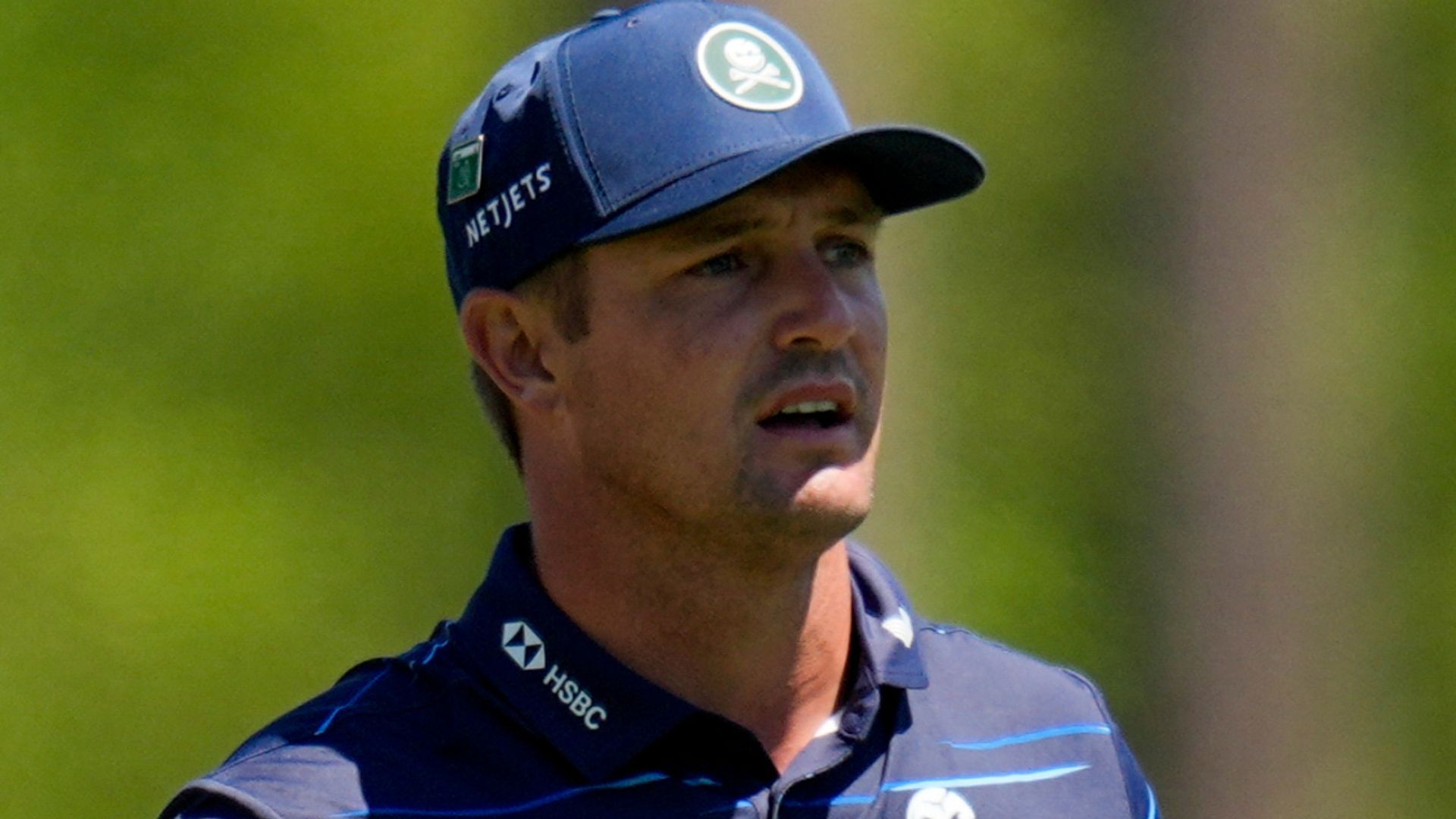
- Bryson DeChambeau had to withdraw from LIV Golf's event in Mexico due to a wrist injury.
- This decision comes as discussions about his future in the LIV Golf league intensify.
- DeChambeau's injury will cause concern over his performance as he pursues recovery.
- The LIV Golf league continues to face scrutiny regarding its longevity and competitive landscape.
Context and background
Since its inception in 2022, LIV Golf has shaken up the traditional golf landscape with its unique format and lucrative offers for players. Bryson DeChambeau, who joined the league looking to redefine his career, has been one of its high-profile figures. The former U.S. Open champion has demonstrated an innovative approach to golf, earning him both fans and critics alike. As of mid-2023, LIV Golf continues to attract significant attention, but its long-term viability remains uncertain amid ongoing debates about competitive integrity and financial sustainability.
Historically, DeChambeau's career has been marked by a mix of remarkable highs and notable lows. Known for his scientific approach to the game, he has been a top player on the PGA Tour and has made headlines for his increased drive distances. However, with the recent controversies surrounding LIV Golf and his injury woes, questions arise about the future direction of his career.
DeChambeau's withdrawal and its implications
Bryson DeChambeau pulled out from the LIV Golf event in Mexico just before the final round, citing ongoing discomfort from a wrist injury. The decision has left many wondering about the condition of his game and where he stands in the broader picture of the league's future. His withdrawal may not only impact his immediate participation in future tournaments but also raises concerns about the kind of commitment professional golfers can make to a league that has yet to establish itself firmly against the backdrop of the PGA Tour.
This incident comes following reports of DeChambeau and his team discussing potential options should he decide to exit LIV Golf during Masters week. Such conversations indicate an assessment of his career trajectory as an acknowledgment of the uncertainties within the league and potential implications for competitive golf.
Prior to his move to LIV Golf, DeChambeau had been a top-ranked player, boasting significant achievements including a rich win-loss record and a unique style that challenged conventional golf norms. However, his recent struggles have led to criticism and speculation about whether the transition to LIV was the right move for his career.
In their own words
"It's unfortunate that I have to withdraw, but my health is my priority right now. The game is tough as it is, and I need to make sure I’m in the best shape to compete."
— Bryson DeChambeau
What this means for golfers
DeChambeau's wrist injury highlights the importance of maintaining physical health in golf. Recreational golfers should take note of the risks associated with pushing through pain without adequate recovery. This is a reminder that the sport, while often perceived as non-contact, can exert considerable strain on the body.
For equipment, this serves as an opportunity to emphasize proper fitting and the importance of using the right gear to avoid injuries. Golfers might consider seeking professional advice on custom clubs and adjusting their swings to lessen stress on vulnerable joint areas.
From an observational standpoint, amateur players and aspiring professionals should learn from DeChambeau's strategic discussions about career moves. Understanding when to shift paths in one's career, especially in competitive sports, is crucial for longevity and potential success.
What's next
Looking ahead, Bryson DeChambeau's recovery will be critical not only for his health but also for his potential reintegration into the LIV Golf schedule. Upcoming events will likely see him under scrutiny as fans and analysts evaluate how he performs following this setback. Meanwhile, the ongoing discussions about LIV Golf's future remain critical—many eyes will be focused on how the league adapts and evolves in the face of challenges, particularly regarding player commitments and competitive frameworks.
As the golf season progresses, all indications point towards a critical summer where the fates of both DeChambeau and the LIV Golf league will be closely monitored. With both health and legacy on the line, these next few months will be pivotal in shaping the future of the sport as a whole.