Introduction
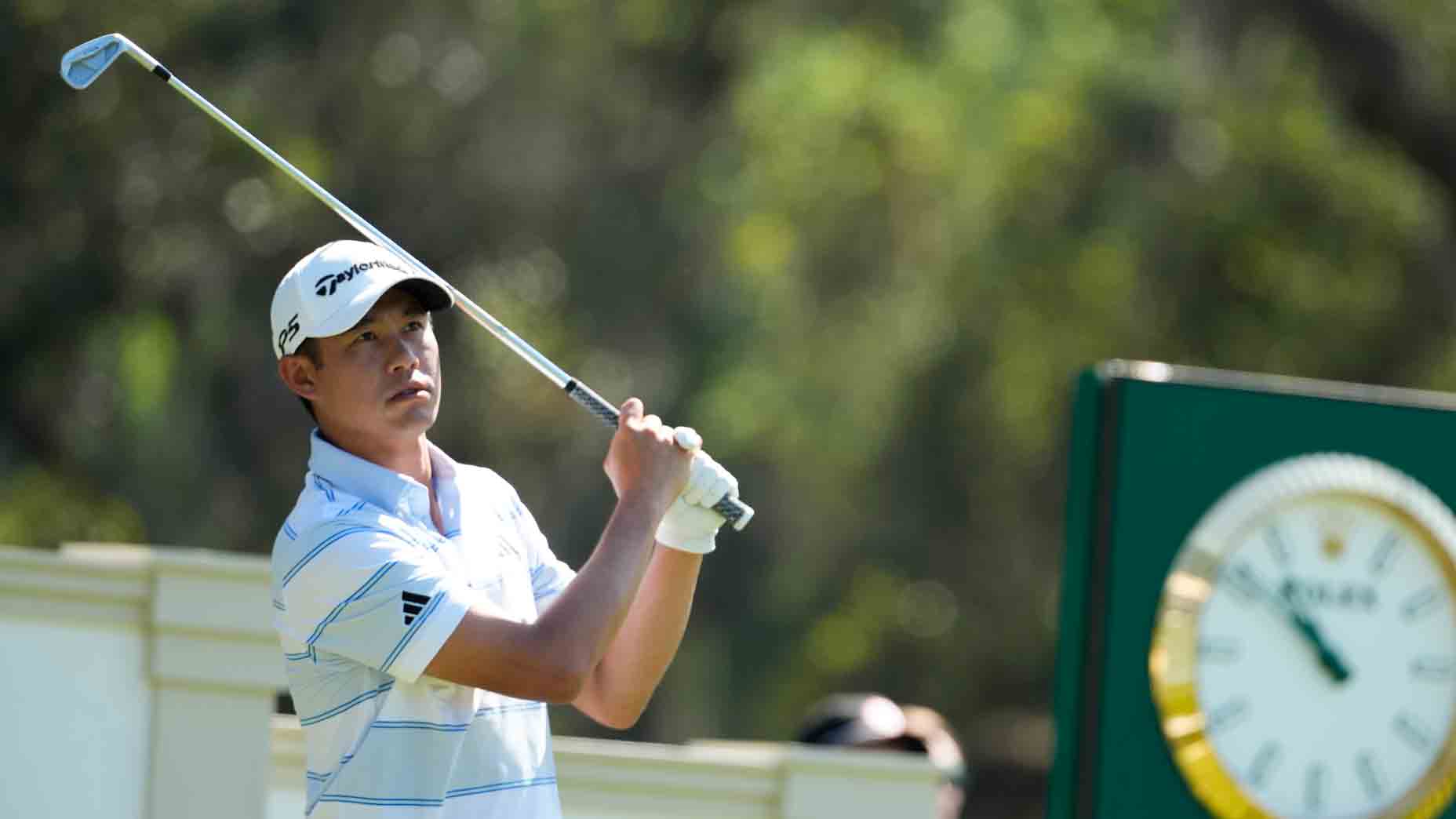
As the spotlight shone brightly on the RBC Heritage, a rejuvenating event in golf's calendar, one player's battle with fear and uncertainty took center stage. Collin Morikawa, the 2020 PGA Champion and a rising star, found himself gripped by an unsettling sense of dread as he prepared to tee off. 'I’ve never been this scared in my life to go out and play,' Morikawa expressed candidly, highlighting the intense pressures athletes face away from the glamorous facade of professional golf.
Key takeaways
- Collin Morikawa openly discussed his fears surrounding an injury at the RBC Heritage.
- The 26-year-old golfer emphasized the mental challenges athletes confront due to physical setbacks.
- Morikawa's commitment to the game remains strong despite his anxiety.
- Injury management is becoming increasingly important in the landscape of professional golf.
- Fans and analysts alike are keen to see how Morikawa’s performance unfolds under such pressure.
Context and background
In the ever-competitive world of golf, injuries can halt, alter, or even define careers. For younger stars like Morikawa, who turned professional in 2019 shortly after winning the NCAA Championship, the fear of injury can be overwhelming, especially given the physical demands of the sport. Historically, players experiencing injuries often face a considerable drop in performance, with recovery periods extending from weeks to months. For example, Tiger Woods faced numerous comebacks from physical setbacks throughout his career, demonstrating the mental fortitude required to navigate such struggles.
Morikawa's emergence as a top competitor in golf has been notable; he has six professional titles and an impressive major resume that includes two major championships by the age of 26. However, the nagging injuries that players often experience underscore the toll professional golf can take, both physically and mentally, as they balance the demands of competition with their health.
Collin Morikawa’s challenging moment
The onset of Morikawa’s injury fright comes at a pivotal moment in his career. Instead of focusing solely on perfecting his swing or strategizing for the next hole, he must grapple with a looming sense of fear. The revelation of his emotional state is equally telling of the pressures athletes face. Morikawa's openness aids in humanizing a sport often seen as stoic and unyielding. Mental health discussions are gradually gaining traction among athletes, but still remain underrepresented. His admission adds a fresh perspective on what many athletes endure behind the scenes.
Moreover, recent statistics indicate that top players often experience injuries due to the heightened levels of stress and physical exertion. A 2021 study reported that nearly 80% of golfers suffer from some form of injury over their careers, underscoring the significance of injury management strategies.
In their own words
"I’ve never been this scared in my life to go out and play."
— Collin Morikawa
What this means for golfers
The situation surrounding Morikawa serves as a crucial reminder for amateurs and recreational golfers. Physical fitness, rest, and recovery are just as vital as practicing swing techniques or putting drills. Following top-tier athlete experiences can help weekend golfers prepare for and prevent potential injuries. This impact extends beyond just physical care; it stresses the importance of mental wellness in sports. Fostering a mindset that includes coping strategies for anxiety and fear can aid amateur golfers in enjoying their rounds without being hindered by performance-related fears.
Additionally, aspiring professional players might consider incorporating injury prevention routines into their practice. This could range from proper warm-ups, strength training, to engaging with fitness professionals to ensure longevity in their careers. Morikawa's experience will resonate and serve as a case study for many navigating the pressures of performance and physicality.
What’s next
Looking ahead, fans and analysts will be closely monitoring Morikawa's progression at the RBC Heritage and subsequent tournaments. How he manages this injury fright could very well impact his future performances. Upcoming events on the PGA Tour promise to test not only his physical abilities but also his mental fortitude as he continues to make his mark in the world of golf.
As the golf season advances, Morikawa's experience may serve as a conducive turning point for a broader conversation about mental health among athletes in general. As players are increasingly called to openly share their experiences, the sport might see a shift, prioritizing holistic health alongside competitive excellence.