

Introduction
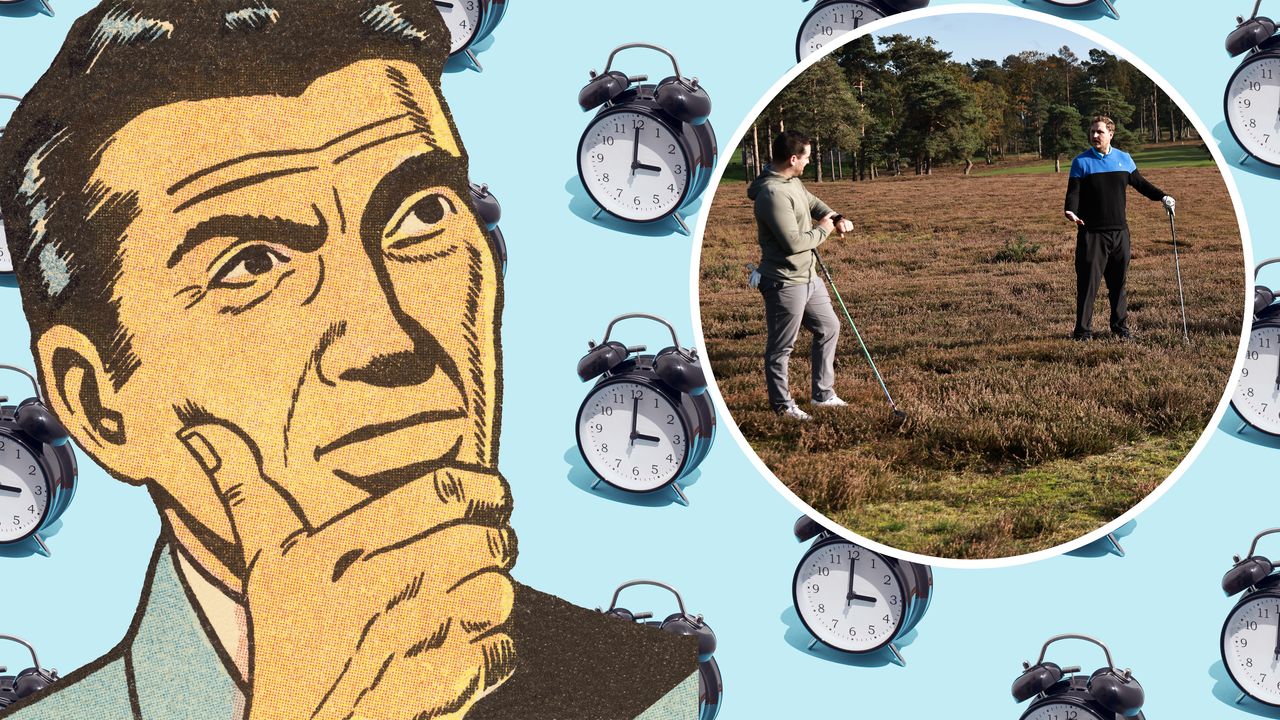
The issue of slow play has long plagued the game of golf, leading to frustrations among players of all levels. As tee times stretch and rounds extend beyond four hours, many in the golfing community find themselves wondering: can we ever find a solution to this persistent problem? Despite efforts to instill pace-of-play guidelines, the challenge remains as complex as the sport itself, raising questions about etiquette, course management, and player education.
Key takeaways
- Slow play has become a significant concern for golfers worldwide.
- Various measures to combat slow play have been proposed, yet none seem universally effective.
- Education and communication may hold the key to improving pace of play.
- Player awareness and responsibility are essential for tackling this issue.
- Golf governing bodies are urged to continue exploring solutions for a better on-course experience.
Context and background
Slow play is often cited as one of the most irritating issues faced on golf courses. Observations reveal that average round times have increased over the decades. In the 1970s, a round often took less than four hours; today, many players expect to spend upwards of four and a half hours for 18 holes. This trend has led to significant dissatisfaction among golfers, with many noting that delays disrupt the flow of the game and lead to negative experiences.
Statistics show that a ripple effect occurs. When one group is slow, it compounds waiting times for following groups. According to the USGA, up to 80% of delays come from the leading group, creating a bottleneck that captures course management's attention. The question then arises: can authorities create guidelines that make a real impact on play pace?
Understanding the root causes of slow play
Several factors contribute to the enduring issue of slow play on the course. Among them are the skill levels of the players involved, their understanding of etiquette, course layout, and even the condition of the greens. Beginners may take longer to make decisions or feel uncomfortable when hitting from various lies. On the other hand, less experienced players might not be fully aware of proper golf etiquette, leading to further delays.
Moreover, the rules governing pace of play can vary significantly by course and region. Some clubs enforce game time limits strictly, while others may allow groups ample time to savor the game, leading to longer rounds. Courses that are meticulously maintained or are particularly challenging may also slow down play considerably, as players take extra time to navigate hazards effectively.
Expert insight on the slow-play dilemma
Several seasoned professionals have weighed in on the slow play dilemma. Notably, golf coach Pat Goss emphasized the importance of player education, stating that,
“Understanding the rules and etiquette of the game is essential. If all players are aware of what's expected of them, we can make strides toward reducing slow play.”
— Pat Goss
Others, like veteran player Brandi Jackson, echoed this sentiment and added,
“It’s not just about giving players guidance; it’s about creating a cultural shift where being considerate of others on the course becomes part of the game itself.”
— Brandi Jackson
What this means for golfers
For recreational golfers, the implications of slow play resonate on multiple levels. Players who feel the pressure of slow rounds may find it beneficial to arrive early and warm up before their tee time. Familiarizing themselves with course layout and knowing where to hit their next shot can also save significant time. Additionally, it's vital for all players to be mindful of those around them—being ready to play when it’s their turn is a simple yet effective strategy.
Equipment choices can factor into improving pace as well. For example, a golfer with reliable and easy-to-use technology can make faster decisions about club selection. GPS devices and rangefinders can facilitate quick calculations and promote a swifter game.
What's next
Looking ahead, golf governing bodies must maintain focus on how to tackle the issue of slow play effectively. The potential implementation of digital check-in systems, real-time monitoring, or even additional training for course marshals can all be considered as possible measures.
As golf continues to evolve, continual discussions around player conduct and course management will be paramount in shaping a more enjoyable experience for all. While completely eradicating slow play may remain an elusive target, raising awareness and implementing incremental changes are critical steps in addressing the ongoing concern. With upcoming tournaments raising the stakes, players and organizers alike must consider how best to ensure that the game remains fluid and enjoyable for generations to come.