Could LIV golfers return to the PGA Tour? Insights from Brian Rolapp
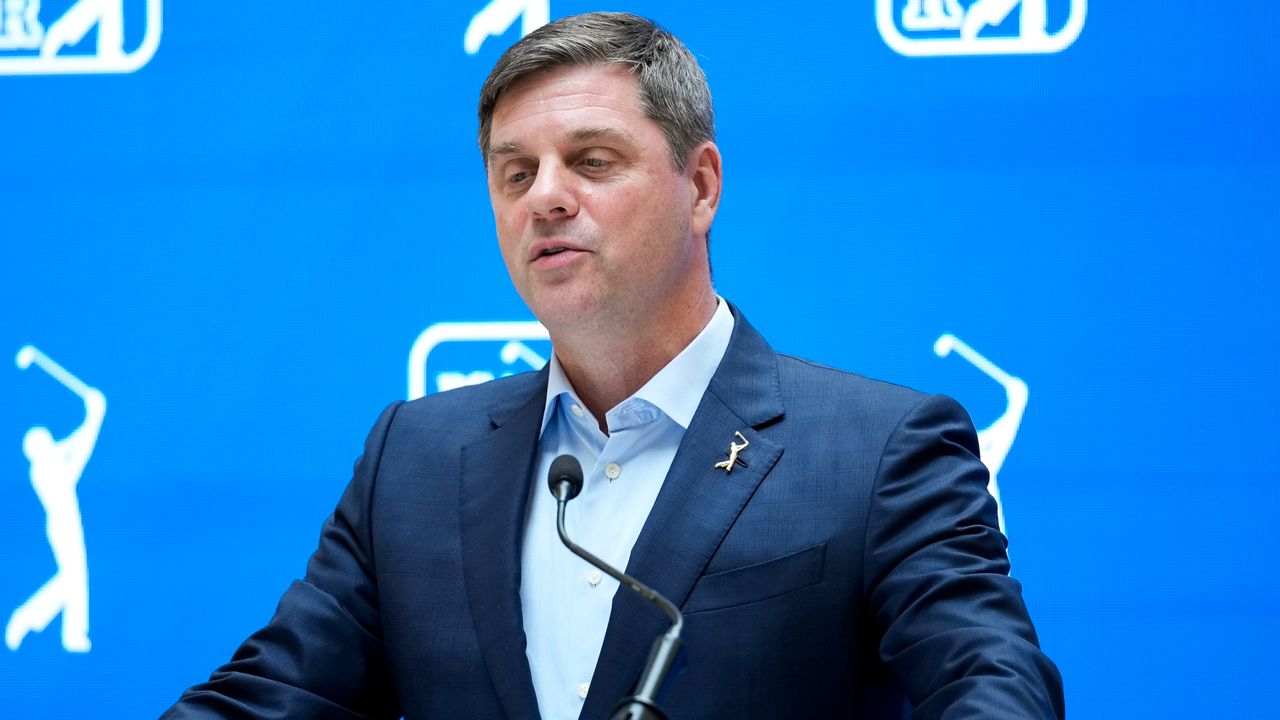
The ongoing rivalry between LIV Golf and the PGA Tour continues to evolve, especially as the future of LIV Golf hangs in the balance. In a recent appearance on the Rich Eisen Show, Brian Rolapp, CEO of the PGA Tour, discussed the potential implications for LIV golfers who may be considering a return to the traditional circuit should LIV Golf cease operations. With heightened attention on both tours, what does this mean for players moving forward?
Key takeaways
- Brian Rolapp suggests the PGA Tour may be open to welcoming back LIV golfers.
- The return depends on various factors, including PGA Tour policies and LIV Golf's future viability.
- Negotiations may be influenced by the competitive landscape of professional golf.
- The PGA Tour is maintaining its stance on player eligibility and qualification.
- The evolving golfer landscape could reshape player choices in the coming years.
Context and background
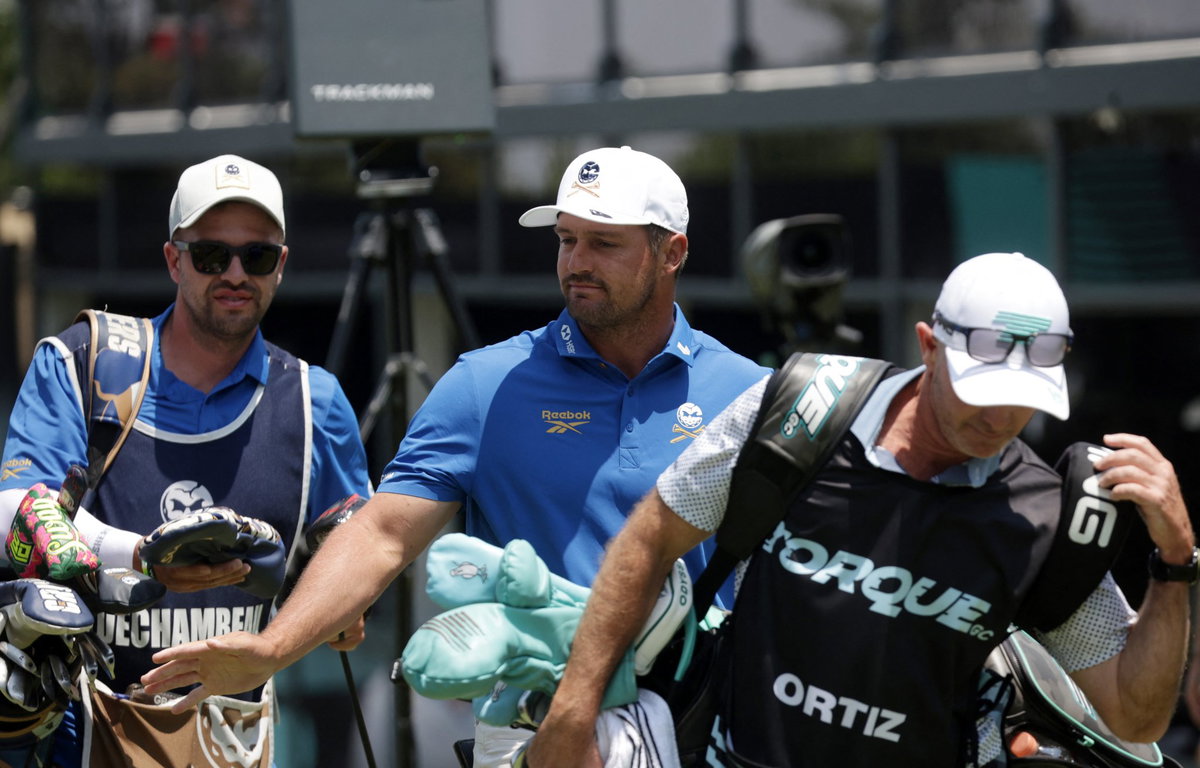
The emergence of LIV Golf has drastically altered the professional golf landscape since its inception. Funded by Saudi Arabia's Public Investment Fund, LIV Golf has lured several top-tier players away from the PGA Tour with lucrative contracts and innovative tournament formats. Players such as Phil Mickelson, Brooks Koepka, and Bryson DeChambeau made headlines by signing with the competitor, leading to a significant rift in the golfing community.
The PGA Tour has responded by reinforcing its traditional structures, implementing strict eligibility rules, and launching an aggressive campaign to retain its top talent. As of October 2023, LIV Golf faces increasing scrutiny regarding its sustainability and relevance in the long term. Reports suggest the circuit may be faltering, prompting speculation over what the future holds for its players.
Evaluating the return of LIV golfers to the PGA Tour
Brian Rolapp's insights on the Rich Eisen Show addressed head-on the dynamic relationship between LIV golfers and the PGA Tour. His comments reflect an understanding of the evolving situation, indicating that the Tour is not entirely closed off to the idea of players returning if LIV Golf disbands.
“We’re constantly evaluating our policies and how we can best serve our players,” Rolapp remarked, hinting at an openness to adapt as circumstances change. Should LIV Golf's financial backing diminish, many players may find themselves contemplating a return to the Tour in order to maintain their competitive edge and career trajectory.
However, the feasibility of a return hinges on a complex decision-making process. The PGA Tour's current policies may dictate the conditions under which players can re-enter. The potential for reinstatement could also involve navigating various interpretations of contractual agreements and any legal ramifications that may arise from returning to a rival circuit.
Statistics reveal that the financial landscape of golf is shifting. The PGA Tour has pumped significant resources into elevating prize funds and enhancing player experiences to stay competitive. LIV Golf, meanwhile, has also expanded its reach with enticing purses for its events.
For example, LIV’s tournaments often feature a $20 million prize pool, which remains enticing even for the most seasoned PGA Tour players. This competitive financial environment complicates decisions for golfers, as they assess the risk of rejoining a traditional format versus pursuing potentially more lucrative alternatives.
In their own words
“We’re constantly evaluating our policies and how we can best serve our players.”
— Brian Rolapp
What this means for golfers
The discourse surrounding the potential return of LIV golfers to the PGA Tour carries significant implications for both professional and recreational golfers. For aspiring professionals, the situation serves as a reminder of the importance of considering long-term career impacts when making choices about tour commitments.
On the equipment front, enthusiasts might examine the gear utilized by both LIV and PGA golfers. As the competition intensifies, various brands and technologies promoted by both circuits can heavily influence buying behaviors for both amateurs and professionals alike.
Recreational golfers will also benefit from observing how this rivalry shapes the game. Increased competition among circuits may lead to advancements in technology, course design, and player accessibility, ultimately enhancing the fan experience and engagement with golf.
What's next
Looking ahead, the fate of LIV Golf will become clearer in the coming months as it navigates financial challenges and fan reactions to its structure. Meanwhile, the PGA Tour will likely remain vigilant in its approach towards player relations.
As live golf events continue to draw viewership and sponsorship dollars, both the PGA Tour and LIV Golf must adapt to their respective challenges. The outcome of these dynamics will be crucial in defining the future paths of golfers at all levels.
All eyes will be on upcoming tournaments where the rivalry between the two circuits could either escalate or diminish, influencing how golfers view their own decisions and affiliations, as well as the broader landscape of the sport.