Introduction
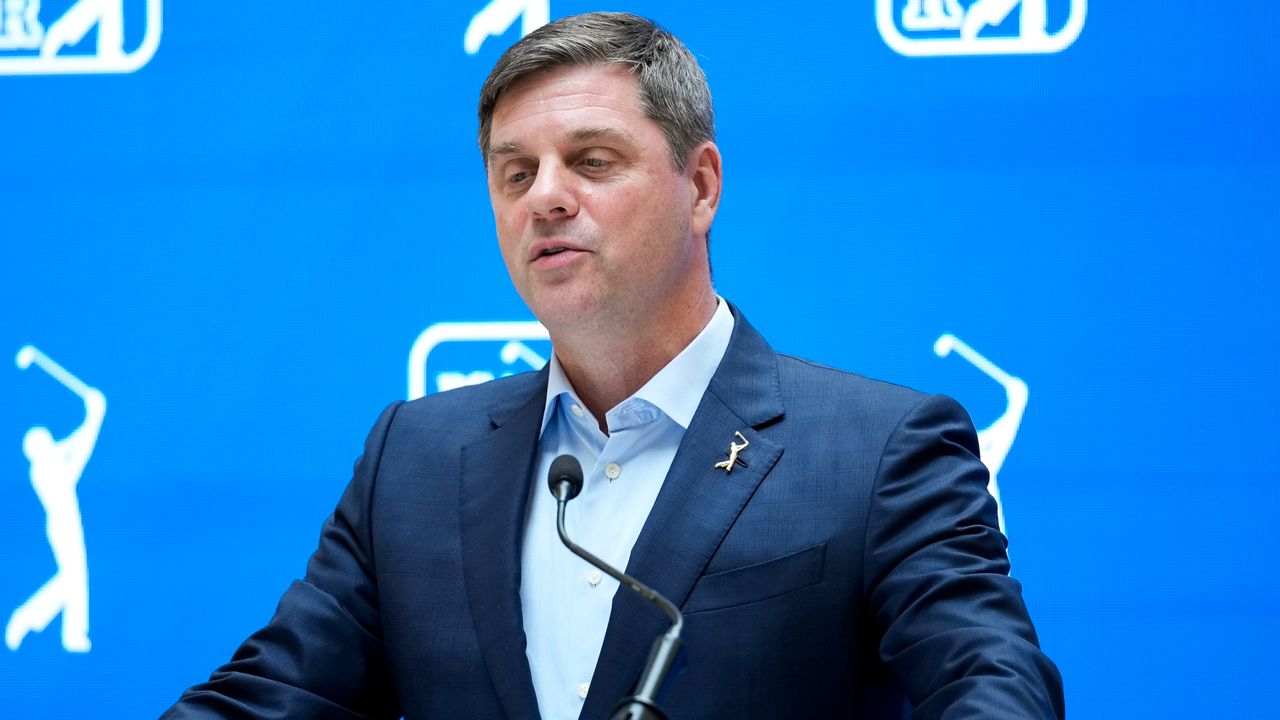
The ongoing saga between the PGA Tour and LIV Golf continues to unfold, with sharp reactions from both sides shaping the current landscape of professional golf. Recently, PGA Tour boss Brian Rolapp delivered a decisive message regarding the potential reintegration of players who switched allegiances to LIV Golf, highlighting the recent performances of players like Brooks Koepka and Patrick Reed as a significant point of reference. This statement could have major implications for both the players involved and the future of golf as we know it.
Key takeaways
- PGA Tour boss Brian Rolapp addressed the possibility of welcoming back LIV Golf defectors.
- He pointed out the contrasting performances of Brooks Koepka and Patrick Reed as they adjust to their new tour.
- The comments may reflect the ongoing rivalry and competitive dynamics between the two tours.
- Future collaborations or changes between the two entities remain uncertain amid their rivalry.
Context and background
The emergence of LIV Golf has dramatically reshaped the competitive landscape for professional players. Launched with hefty financial backing and aiming to provide an alternative to the traditional structures of the PGA Tour, LIV Golf has drawn numerous players away from the PGA by offering lucrative contracts and a new format of play. As a result, the split has led to heightened tensions and clashes not only between competing organizations but also amongst the players themselves.
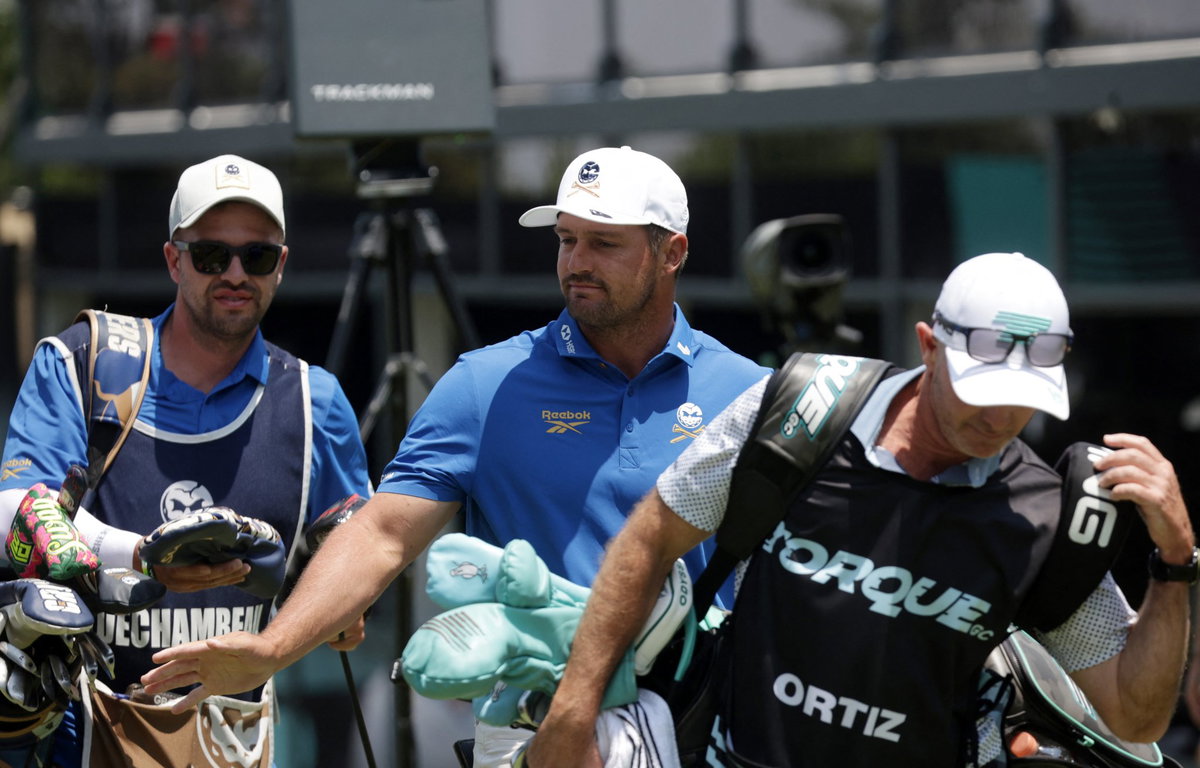
Significant numbers illustrate this transition; since the inception of LIV Golf, more than 50 players, including accomplished names like Phil Mickelson and DeChambeau, have made the switch, raising questions about player loyalty and the future of the PGA's historical dominance. Performances of defectors, particularly at significant events, have also been scrutinized, with disparities in their success rates influencing opinions on their migrations.
PGA Tour's stance on LIV Golf players
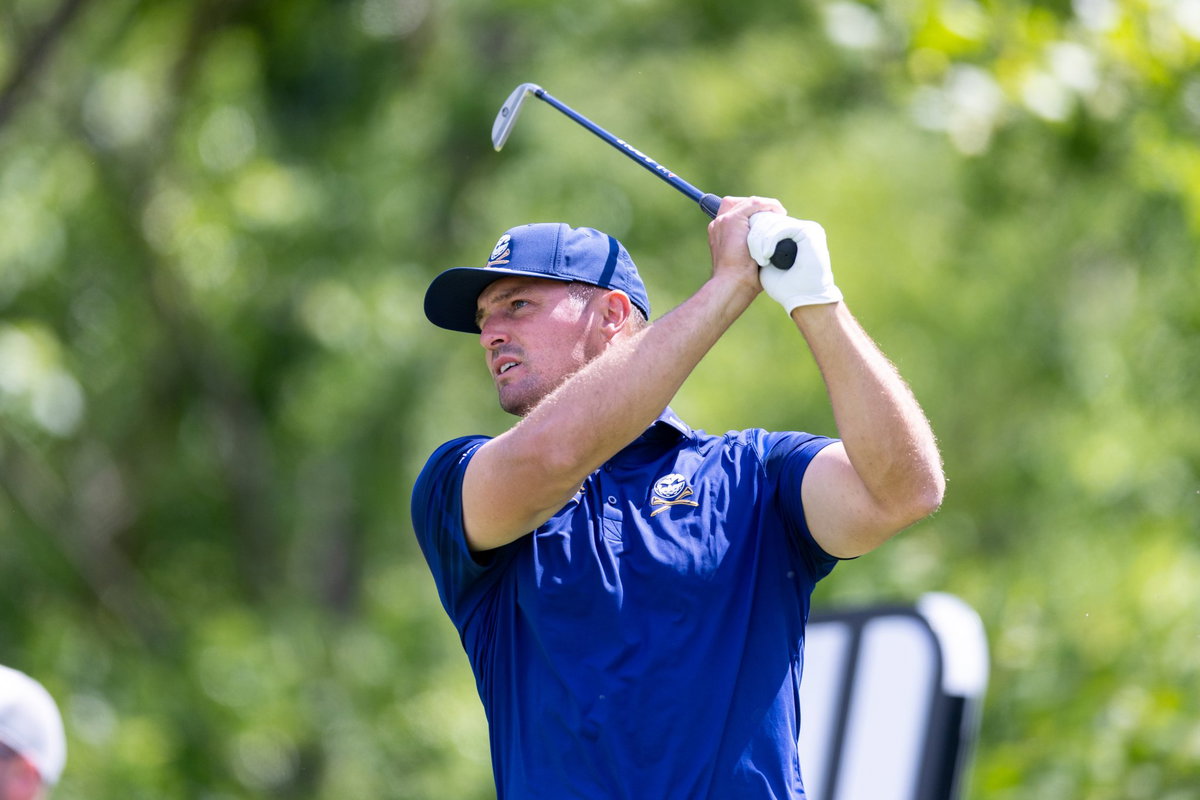
In an effort to clarify the PGA Tour's position, Brian Rolapp emphasized the league's willingness to evaluate LIV defectors on a case-by-case basis, while simultaneously reinforcing the idea that consistent high-level play remains the most crucial factor. Notably, he pointed to Brooks Koepka's remarkable performance during the recent majors, where he finished in a tie for second at the Masters and secured a victory at the PGA Championship. In contrast, Patrick Reed has yet to achieve the same level of success since his move.
Rolapp stressed the importance of performance as a metric for evaluating whether LIV Golf players would be welcomed back into the PGA fold, stating, "You saw what Brooks and Patrick did. The way they perform going forward will dictate the discussions we have around their returns." This remark underlines a significant notion: that a player's status within the PGA Tour is inherently tied to their ability to compete and win.
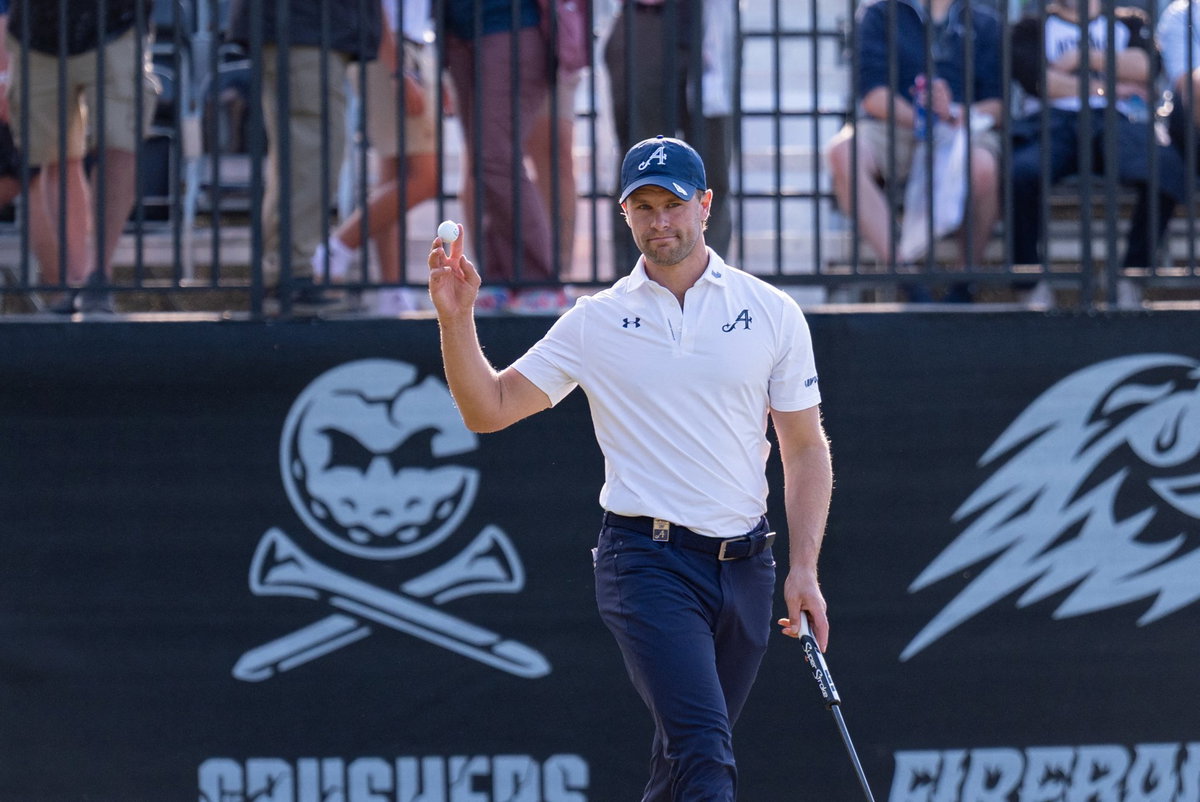
Statistics support Rolapp's position; Koepka has seen a resurgence in his form, evidenced by his top placements in major events since joining LIV Golf. His consistency at these high-stakes tournaments suggests a potential recalibration of the narrative surrounding players who previously defected, should they showcase their capabilities on the global stage. Conversely, Reed finds himself struggling to replicate similar performances, which diminishes his prospects for a return.
In their own words
"You saw what Brooks and Patrick did. The way they perform going forward will dictate the discussions we have around their returns."
— Brian Rolapp
What this means for golfers
For amateur and recreational golfers, the ongoing competition between the LIV Golf and the PGA Tour serves as a lesson in the importance of performance and perseverance. The narrative of Brooks Koepka, who has seemed to thrive under pressure, indicates that adapting to circumstances and maintaining high performance can yield significant benefits; this is an essential takeaway for golfers at any level. Additionally, amateur players should observe the evolving professional golf landscape and consider how emerging trends may influence their practice and equipment choices.
Equipment-wise, with the introduction of new brands and sponsorships due to LIV Golf's financial incentive, golfers might expect innovations in golfing gear that cater to both affordability and technological advancement. Staying informed about advancements might present opportunities to enhance one’s capabilities.
What’s next
Looking ahead, the future remains uncertain as discussions continue to swirl around the potential cooperation or ongoing rivalry between LIV Golf and the PGA Tour. As both tours prepare for their upcoming events, the spotlight will inevitably shine on the performances of former PGA players competing in LIV Golf. Fans and analysts alike will be keenly observing how defectors fare in high-stakes situations. The outcomes of these events could have lasting implications for how the golfing world views player defection and the economics tied to professional golf.
As leagues venture further into this contentious space, we may witness redefining moments that will not only shape the careers of individual players but also produce ripples affecting the sport's structure and its fanbase, making it a gripping arena for both players and spectators, setting the stage for future discussions on inclusivity and competitive equity across both tours.