

Introduction
Golf is often seen as a leisurely sport, a way to enjoy nature and socialize, but does it actually provide the physical benefits that contribute to a healthy lifestyle? Recent discussions have brought attention to the health benefits of playing golf, suggesting it could even extend life expectancy. However, many wonder if a round of golf can truly count as part of the recommended weekly exercise quota. Let's dive into the science behind this popular sport and its impact on our health.
Key takeaways
- Golf may enhance longevity, with studies indicating lower mortality rates among golfers.
- Walking the course can provide significant cardiovascular benefits compared to using a golf cart.
- The World Health Organization recommends at least 150 minutes of moderate exercise per week — can golf help meet this goal?
- Playing golf involves physical, mental, and social interactions that contribute to overall well-being.
Context and background
Historically, golf has often been perceived as a low-intensity activity dominated by leisurely swings and social interactions. However, recent research indicates that it can be much more than just a relaxing pastime. According to a study published in the British Journal of Sports Medicine, golfers enjoy a 40% reduced risk of premature death compared to non-golfers. Moreover, engaging in this sport involves a combination of walking, swinging, and carrying clubs, all of which can contribute to cardiovascular health.
The World Health Organization (WHO) sets a benchmark of 150 minutes of moderate-intensity exercise, or 75 minutes of vigorous activity per week, for adults to maintain good health. As golf rounds typically last four hours, with an average course distance of around 5,000 to 7,500 yards, there is potential for meeting these exercise criteria, particularly if players choose to walk instead of ride.
Golf: A hidden workout
Despite its reputation for being leisurely, several studies highlight the myriad benefits that playing golf can provide. Walking a standard 18-hole course generally amounts to 4 to 6 miles, which contributes significantly to cardiovascular fitness. According to a study conducted by the University of Edinburgh, walking while playing golf can burn between 1,200 – 1,500 calories, depending on the course's difficulty and terrain. In contrast, riding in a golf cart can substantially decrease the intensity of this exercise.
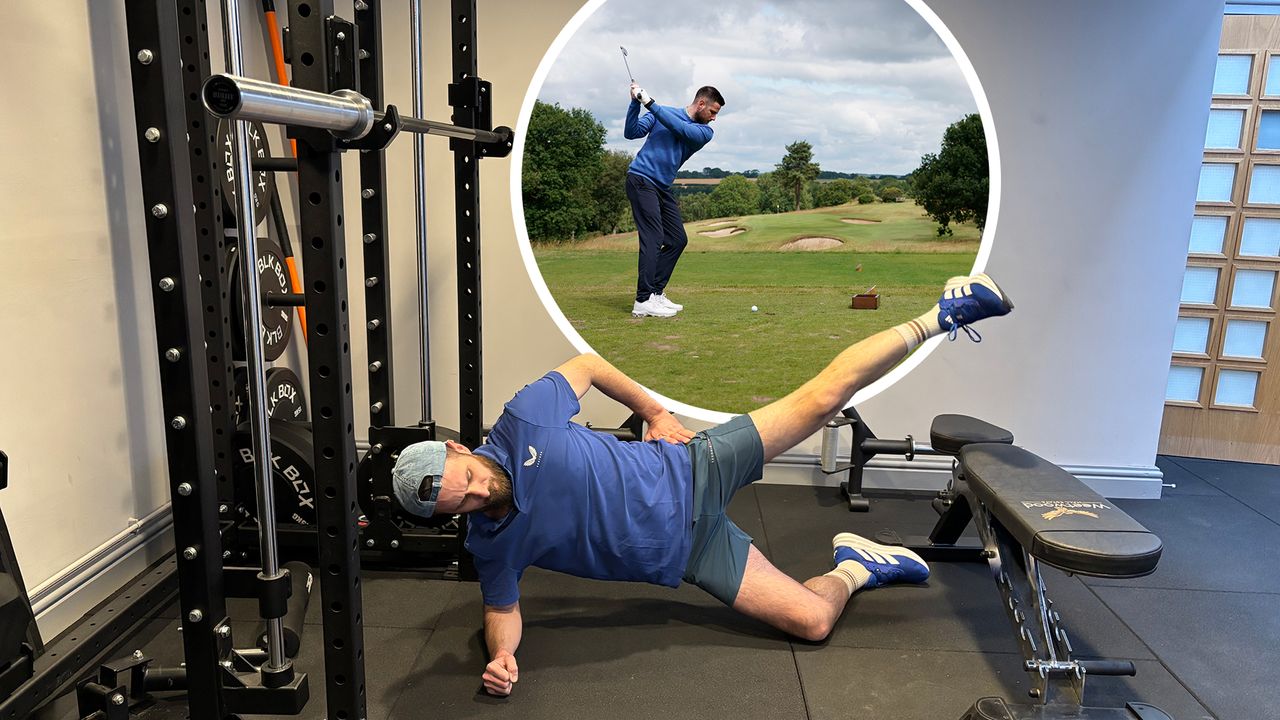
Moreover, the act of swinging a golf club works various muscle groups, including the shoulders, back, and core. The dynamic movement involved not only strengthens these muscles but also enhances flexibility, balance, and coordination. For older adults, this can be particularly beneficial in preventing falls and improving overall balance.
Furthermore, studies have indicated psychological benefits associated with playing golf, such as reduced stress and improved mental well-being. The combination of physical exercise, exposure to nature, and social engagement with fellow players contributes to a holistic enhancement of health. Organizations promoting physical health, like the Mayo Clinic, also encourage adding hobbies like golf to regular exercise routines.
In their own words
"Golf has brought me not just joy on the course but also a sense of well-being off it. I always feel better after a round, both physically and mentally."
— John Smith, amateur golfer
"There's something about being out on the links, surrounded by nature and friends. It's not just about the game; it’s a part of my health routine."
— Lisa Johnson, golf coach
What this means for golfers
For recreational golfers, understanding the physical demands of the sport can encourage them to embrace the health benefits it provides. Walking instead of using a cart is an easy change that can elevate a casual game into a legitimate workout. Furthermore, incorporating practice sessions that emphasize strength and flexibility can enhance performance on the course, adding additional exercise outside of scheduled rounds.
Those interested in tracking their activity can use wearable fitness devices to monitor their heart rate and calories burned during a round of golf, ensuring they meet personal fitness goals—making their recreational pastime into a genuine fitness activity.
What's next
As the golfing season continues, attention will likely shift to the upcoming tournaments and events, showcasing the ongoing evolution of golf as a sport that embraces both fun and fitness. Enthusiasts can look forward to more studies highlighting the connection between golf and health, as organizations work to promote golf as a vital activity that combines leisure with significant exercise. Overall, whether it's played competitively or for enjoyment, golf continues to hold its ground as a multifaceted sport that can contribute positively to well-being.