
Intro paragraph
As the game of golf continually evolves, so too do the skills of its players. In 2026, the average amateur golfer's driving distance has become a hot topic among enthusiasts and professionals alike. Understanding how far golfers are hitting the ball not only speaks to their level of skill but also highlights the importance of technique and technology in the modern game.
Key takeaways
- The average amateur golfer drives the ball approximately 220 yards in 2026.
- Male golfers typically achieve longer drives, averaging around 240 yards.
- Factors such as age, swing speed, and equipment play a crucial role in driving distance.
- Continuous improvements in club technology and golf balls have led to increased distances.
- Practicing specific techniques can help golfers of all skill levels improve their driving performance.
Context and background
To fully grasp the changes in driving distance for amateur golfers, it's important to reflect on the historical progression of the sport. In the early 2000s, the average driving distance for amateurs was around 200 yards, showcasing a modest increase over the years. Various studies noted steady growth, with 2020 reporting an average of 210 yards for amateurs. Fast forward to 2026, and this number has risen to about 220 yards, indicating that a variety of factors have influenced golfers’ ability to drive the ball farther.
One significant influence is the innovation in golf equipment. As manufacturers develop lighter materials and advanced engineering in club design, golfers have benefitted from drivers that enhance both speed and accuracy. Furthermore, as golf balls are designed to minimize drag and optimize launch angles, amateur golfers are increasingly able to leverage these technologies to enhance their performance.
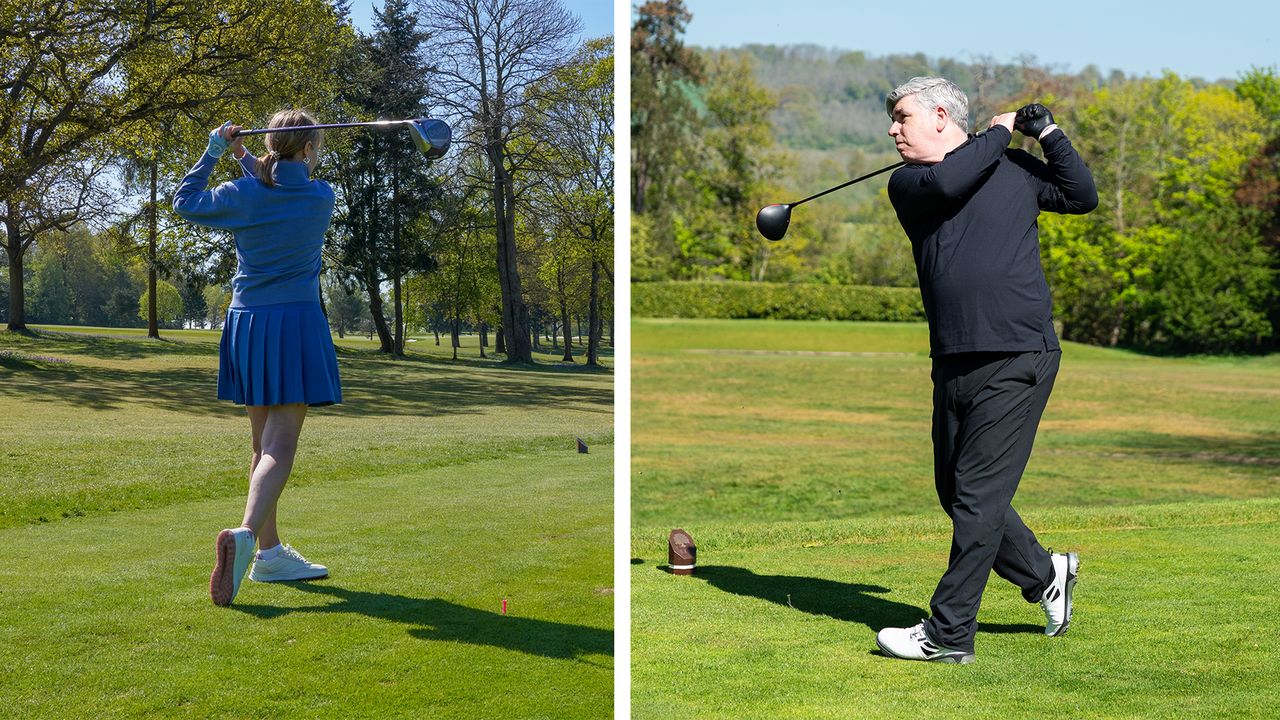
Statistically, male amateur golfers are observed to drive the ball at an average of 240 yards, compared to roughly 190 yards for female counterparts. This difference can be attributed to a range of variables including biomechanics, physical strength, and swing mechanics.
Driving distances under the microscope
The context behind the average amateur golfer's driving distance stretches beyond mere numbers. In 2026, most amateur golfers are focused on improving not just their overall game, but specifically their performance off the tee. With competitive play becoming more popular, the significance of driving distance cannot be overstated; it often translates to a stronger position on the course, shorter second shots, and ultimately, lower scores.
According to data collected by golf analytics, the average distance of 220 yards includes some variances. For golfers aged 18 to 34, the driving distance tends to peak at around 250 yards on average, attributed to youth and physical fitness. As golfers age, this distance typically declines but remains significant, hovering around 210 yards for those in their 50s and 60s. This observation provides a clear indicator that both age and consistent practice can help maintain driving performance.
Moreover, recreational golfers engaging in regular practice sessions, tailored fitness regimens, and lessons from experienced instructors have recorded remarkable improvements in driving distance. Data shows that golfers who invest time in their game early on can see an increase of 10-15 yards, further exemplifying how dedication to improvement yields tangible results.
In their own words
"I’ve really focused on my technique lately, and I’ve noticed a solid increase in my distance off the tee. It feels amazing to see that hard work paying off on the scorecard."
— John, Avid Amateur Golfer
"Investing in the right clubs has been a game-changer for me. I can easily drive the ball 240 yards now, which makes a huge difference in the way I approach my rounds."
— Lisa, Weekend Golfer
What this means for golfers
The insights gained from analyzing average driving distances have practical implications for everyday golfers. Understanding one's own driving distance is crucial for strategic play, enabling golfers to choose appropriate clubs for their shots and heightening on-course performance. Here are a few tips for recreational golfers looking to maximize their driving distance:
- Focus on technique: Proper grip, stance, and swing mechanics are vital for improving distance. Consider taking lessons to refine your form.
- Upgrade your equipment: Using the latest technology in drivers can lead to enhancements in both distance and accuracy. Even modest upgrades can yield significant benefits.
- Incorporate fitness: Strength training and flexibility exercises tailored for golfers can contribute to greater swing speed and production.
- Practice regularly: Consistent practice, both at the range and on the course, is essential for becoming comfortable with your driver.
What's next
Looking ahead, the ongoing evolution of technology and training resources promises to further redefine driving performance among amateur golfers. As the golf industry embraces advancements in biomechanics and data analytics, new insights will emerge to help players maximize their potential. Upcoming tournaments will include discussions focusing on how amateur golfers can enhance their driving distances, featuring workshops and demonstrations on effective techniques.
For 2027 and beyond, the focus will likely remain on the interplay of physical fitness and modern equipment when improving driving distances; experts predict that the average amateur golfer will continue to push boundaries, achieving new personal records and elevating their enjoyment of the game.

/https%3A%2F%2Fcdn.pijper.io%2F2026%2F06%2FRkUgIHk3UBT3tw1781080975.jpg)