Intro paragraph
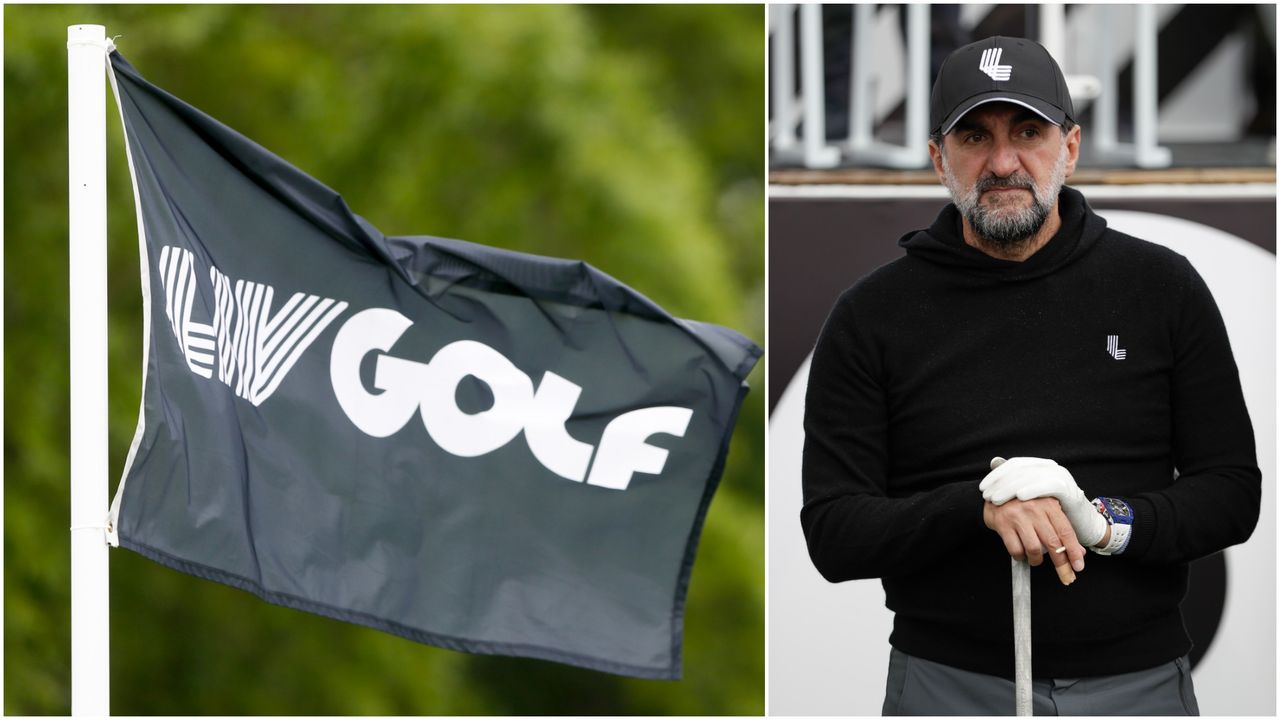
In a surprising turn of events, LIV Golf chairman Yasir Al-Rumayyan is reportedly stepping down from his role as the funding provided by the Saudi Public Investment Fund (PIF) is set to cease at the end of the current season. This decision marks a significant moment in the controversial golf tour's short history and raises questions about its future direction and stability.
Key takeaways
- Yasir Al-Rumayyan will resign as chairman of LIV Golf amidst funding withdrawal.
- The Saudi PIF confirmed it will stop financial support at the end of the current golf season.
- This change could significantly impact LIV Golf's operations and player contracts moving forward.
- The announcement comes as the tour seeks to establish credibility in the competitive golf landscape.
- Fans and analysts are concerned about the implications for players and the series' long-term viability.
Context and background
LIV Golf emerged on the golfing scene as a new professional tour backed by the Saudi Public Investment Fund, which invested heavily to attract top talent from around the world, offering lucrative contracts that have changed the dynamics of professional golf. Since its inception, LIV Golf has been shrouded in controversy due to its funding source linked to the Saudi government, which has faced criticism over its human rights record. Al-Rumayyan's leadership and the financial support from the PIF were integral in attracting high-profile players, including Phil Mickelson, Brooks Koepka, and Bryson DeChambeau, who were lured away from the PGA Tour with promises of significant financial rewards. Despite these efforts, LIV Golf has faced numerous challenges, including sanctions from the PGA Tour, the skepticism of fans, and the need to carve out a meaningful identity alongside established tours. In its brief history, LIV has attempted to secure a place in the competitive tournament landscape, offering innovative formats and significant prize purses, but the loss of funding could put these initiatives in jeopardy.
Leadership changes and their implications for LIV Golf
The resignation of Yasir Al-Rumayyan is poised to shake things up within LIV Golf. Al-Rumayyan, who significantly shaped the tour’s vision, had been under intense scrutiny for the tour's operations and the ethical implications of its funding. His departure raises pressing questions about who will step in to fill the void and whether new leadership can salvage the tour's reputation and ambitions, especially with various challenges on the horizon. The PIF's decision to withdraw financial support indicates that operating an alternative professional golf circuit is more complicated than historical projections suggested. Al-Rumayyan's leadership came during a time when LIV needed to establish itself amid severe backlash from traditionalists and other stakeholders in the golfing community. Without the financial stability that the PIF provided, LIV Golf faces a future where it might struggle to meet its operational costs or attract top players without a competitive purse. In terms of specific numbers, LIV Golf's flagship tournaments offered prize pools that reached up to $25 million, enticing big names to switch from the PGA Tour. However, with PIF ceasing funding, the sustainability of these lucrative payouts is under threat. If funding does not come from elsewhere, the ability to maintain these financial incentives will be lost, potentially seeing players returning to their previous tours or other competitive ventures where financial viability is assured.
In their own words
"Navigating the operations of LIV Golf was always about challenging the status quo. But with the withdrawal of funding, we are left at a crossroads with immense uncertainty."
— Yasir Al-Rumayyan
"The players’ commitment toward our brand was heavily driven by the financial incentives provided. A change in leadership might not be enough without the funds to back it up."
— Industry Expert
What this means for golfers
The forthcoming changes resulting from Al-Rumayyan's resignation and the PIF's withdrawal will undoubtedly reverberate through the golfing community. For recreational golfers, this scenario serves as a reminder of the delicacies involved when corporations back sports organizations. It illustrates that while hefty financial injections can provide temporary stability and allure, reliance on such funding can engender problems down the line when sustaining such backing becomes untenable. For amateur golfers wanting to emulate the pros, the situation also emphasizes local financial structures and organic growth in the sport, something that is often overshadowed by the flashiness of big-money tours. The shifting landscape could also influence how aspiring golfers view paths to professional tours in the future, with traditional routes possibly becoming more favorable again. Moreover, equipment companies may need to reassess their strategies if fewer players are participating in LIV events without significant cash backing to entice their brands. As a result, consumers should keep an eye on brands associated with LIV and how their marketing efforts might shift moving forward.
What's next
As Yasir Al-Rumayyan prepares to depart, attention now turns to whom the LIV Golf organization will appoint as a successor and how this leadership change will shape the tour's direction. The ensuing impact of the withdrawal of funding put forward by the PIF is expected to unveil critical implications for LIV Golf's viability in the months to come. Upcoming events will be scrutinized more than ever now, as fans and players alike will watch key tournaments to gauge the tour's future presence in the competitive golfing market. Additionally, the establishment of alternative funding opportunities will be a pressing need, and how LIV Golf navigates these waters will determine its destiny. The final months of the season will be pivotal in setting the tone for what golfers and fans can expect from LIV Golf in the short term and the long run.