Intro paragraph
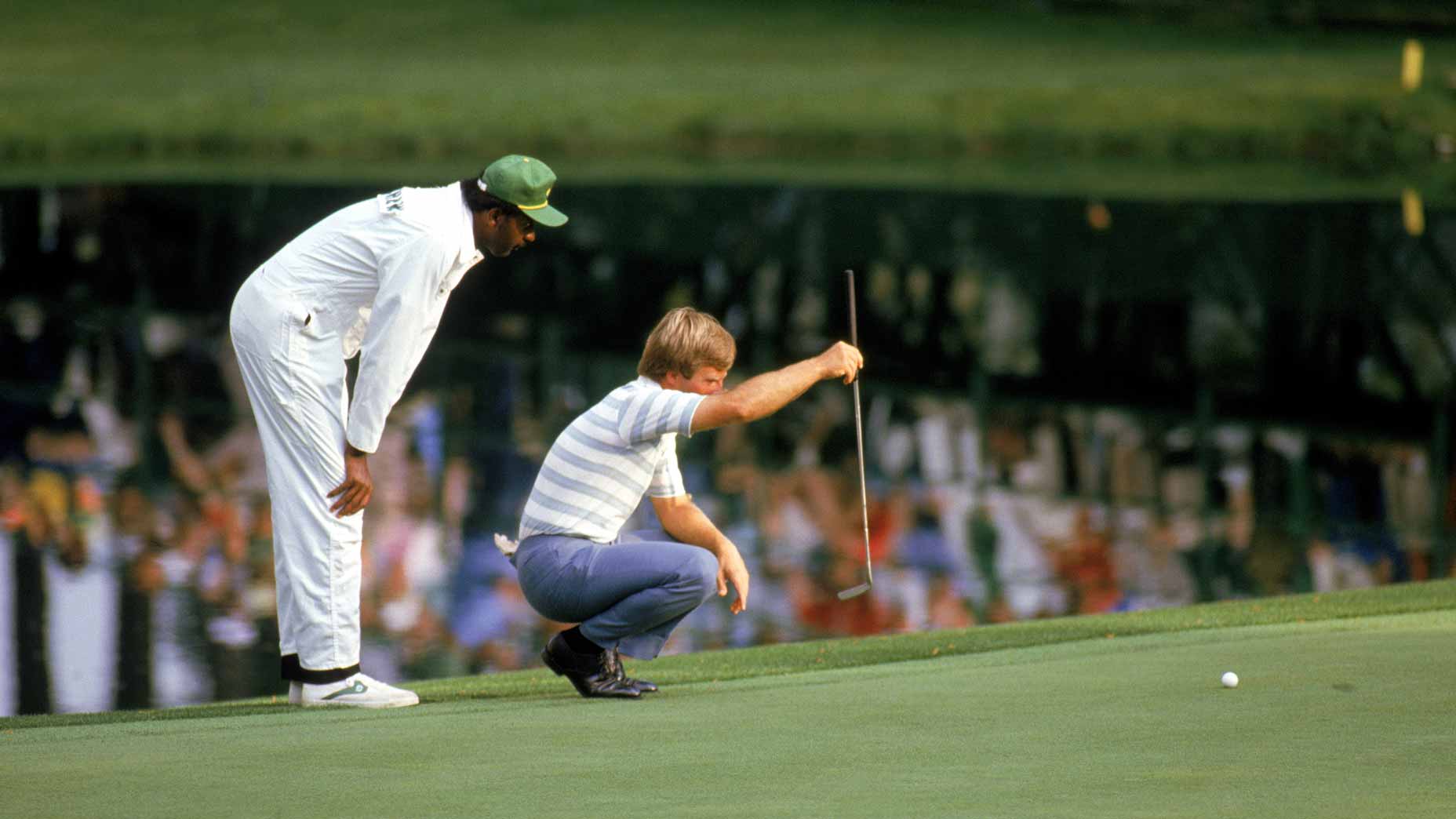
When it comes to putting, mastering speed control can be the difference between a satisfying round and a frustrating one. According to GOLF Top 100 Teacher Tom Patri, achieving the right speed on every putt is crucial not only for sinking more holes but also for reducing the number of three-putts. Understanding the intricacies of speed can elevate a golfer's game to the next level, making it a critical skill to hone.
Key takeaways
- Speed control is essential for effective putting and minimizing three-putts.
- Proper speed assessment leads to improved distance control and shot accuracy.
- Tom Patri emphasizes that mastering speed can significantly increase a player’s chances of making putts.
- Feedback on speed is often more informative than feedback on line in putting practice.
Context and background
The art of putting has been a focal point in golf training for decades, with many professionals attributing a significant portion of their success to their putting skills. Historical data supports the idea that a large proportion of strokes taken in a typical round come from putts — roughly 40% on average. As a result, mastering the factors that contribute to successful putting is paramount. In recent years, there has been an emphasis on the importance of speed in addition to aiming and line. Tom Patri, a highly regarded figure in the golfing community and a member of the Top 100 Teachers list, has become a notable advocate for educators to stress the significance of speed control during lessons.
Understanding the essence of speed control in putting
According to Tom Patri, speed control is foundational to making more putts. It allows golfers to have greater distance awareness during each stroke, providing the necessary feel required on the greens. Simply put, two critical factors stand out while putting: the line of the putt and the speed at which the ball travels. While line is essential, even the best-putted ball can miss its target if it lacks the appropriate speed, often resulting in frustrating near-misses or three-putts.
Patri explains that the best putters are the ones who have developed an intuitive understanding of speed and distance. Notably, the average tour player often boasts distance control that is remarkably precise. It has been estimated that during high-pressure scenarios, a professional golfer's speed control on short putts is accurate within just a few inches of their target. This level of performance highlights how crucial it is to develop such skills through practice.
In the mind of Patri, an effective way to practice speed control is to focus less on the line and more on the distance during training sessions. By setting up drills that emphasize consistent distance over the actual line, players start to sensitize themselves to subtle distinctions in speed. For instance, a common drill involves putting towards different targets at varying distances, refining the touch necessary to control the speed more than the line. This approach can lead to major improvements when players face actual game scenarios.
In their own words
"Understanding speed is what sets apart the good putters from the great ones. If you can control your speed well, everything else will fall into place."
— Tom Patri
"When practicing putting, I found that focusing on speed over line changed my game dramatically. It made me more confident on the greens."
— A professional golfer
What this means for golfers
The insight shared by Tom Patri regarding speed control has practical implications for golfers at all skill levels. For recreational golfers looking to reduce their number of three-putts, focusing on speed should become a critical aspect of their practice routine. In addition to traditional line-focused practice, golfers should incorporate speed-oriented drills, such as putting from different lengths and varying the force used in each putt.
Equipment choices can also play a role; golfers can benefit from investing in training aids designed to enhance their distance awareness and feel. Tools like putting mats with built-in markings measuring speed, or lag putting aids that challenge the player’s speed control, can also be valuable assets in one's training arsenal.
What's next
As interest in effective putting continues to grow, the focus on speed control is likely to become even more pronounced in professional coaching. Upcoming golf clinics may delve deeper into putting strategies that prioritize speed, making them a valuable resource for both amateurs and seasoned pros looking to refine their game. Engagement with this ongoing discourse around putting will resonate within both recreational play and higher-level competitions.
For players aspiring to enhance their game, it may be beneficial to stay tuned to workshops or webinars hosted by well-known instructors who focus on these innovative concepts. As the golf community continues to explore the nuances of putting, embracing speed control will undoubtedly become an essential part of the journey toward improved performance on the green.
/https%3A%2F%2Fcdn.pijper.io%2F2026%2F04%2FDNmN6SunDAyCen1777031724.jpg)