Intro paragraph
A common saying in golf is that the swing is a sequence of connected movements, but few understand just how vital wrist mechanics are to this complex choreography. The way your wrists move during the swing plays a significant role in determining the impact on the ball, influencing accuracy, distance, and overall performance. Getting a handle on wrist action could translate to not only lower scores, but a more consistent golf game as well.
Key takeaways
- Wrist movement directly influences clubface angle at impact.
- Proper wrist mechanics can lead to improved distance and accuracy.
- Understanding your grip and wrist alignment is essential for optimal performance.
- Wrist cocking and un-cocking mechanics play a crucial role in timing.
Context and background
Wrist mechanics have historically been somewhat overlooked in the grand scheme of golf instruction. For decades, the focus has predominantly been on body rotation and lower body movement, often at the expense of understanding the subtle but critical role of the wrists. The club's angle at the moment of impact is influenced by wrist position, which can lead to various ball striking problems, such as hooks, slices, or inconsistency in distance.
According to the TrackMan Golf data, a mere five-degree misalignment of the clubface at impact could result in a ball flight deviation of up to 15 yards for average players. In professional ranks, precision is key, with many tour players emphasizing the need to maintain an optimal wrist position during their swings. Consequently, today's coaches increasingly incorporate wrist mechanics into their lessons, utilizing advanced technology to demonstrate the impacts of wrist movement.
The pivotal role of wrist action in the golf swing
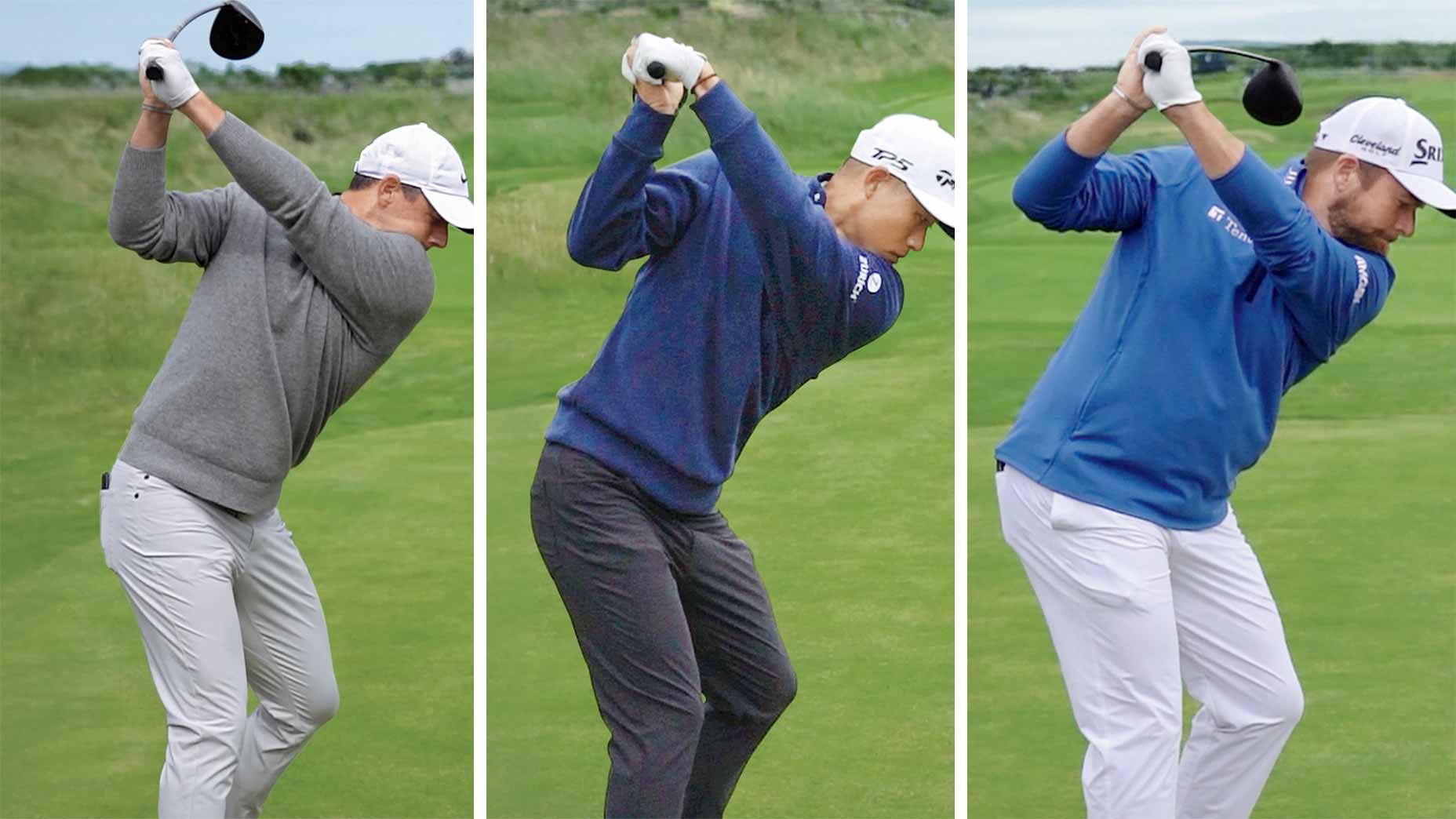
The complexities of a golf swing often boil down to three basic movements: backswing, transition, and follow-through. Within this structure, the role of the wrists can’t be overstated; they are instrumental in both storing and releasing energy. As you move into the backswing, proper wrist cocking helps maintain the relationship between the club and the body. This synergy is essential for generating power without sacrificing control.
To elaborate, during the backswing, the lead wrist ideally hinges upwards (cocking) while the trail wrist angles down. This positioning leads to the club being in the optimal position at the top of the swing, ready for an explosive return. During the downswing, these same wrists must un-cock smoothly to deliver energy to the ball. The correct timing and mechanics of this motion can drastically alter the trajectory and distance of your shot.
High handicappers often struggle with wrist movement. Many make the mistake of keeping their wrists stiff throughout the swing, leading to a loss of power and accuracy. Statistics show that over 50% of recreational golfers are plagued with swing flaws specifically related to wrist usage. Understanding and practicing effective wrist mechanics can lead to a transformation in ball striking ability.
In their own words
"The wrists are often the unsung heroes of the golf swing. When they’re properly engaged, they not only help with timing but also fine-tune the clubface position to ensure solid contact."
— Famous Golf Instructor
"I remember when I first started paying attention to my wrist action. It was a game-changer for my ball striking, allowing me to control my shots much better."
— Professional Golfer
What this means for golfers
For recreational golfers looking to elevate their game, understanding and honing wrist mechanics is crucial. Begin with the grip: an unsuitable grip can hinder natural wrist hinge and movement. Experimenting with grips can lead to improved wrist function.
Practicing drills specifically designed to enhance wrist action can yield significant improvements. Drills such as the 'one-handed swing' help golfers become more aware of their wrist position and mobility. Conversely, utilizing training aids like weighted clubs can increase muscle memory in the wrists, ultimately leading to improved control over shots.
What's next
As the golf season advances, golfers at all skill levels are encouraged to reflect on their wrist mechanics during practice sessions. Coaching clinics focusing on wrist techniques are expected to gain popularity, introducing innovative drills and insights into the relationship between wrist movement and overall swing effectiveness.
Tournaments on the calendar could feature revolutionary performances, driven by players who have mastered their wrist action. Watch for emerging trends that tie wrist mechanics to striking consistency—an essential pillar in the quest for golf excellence this season. There's no better time than now to start prioritizing the wrists for a more formidable game on the greens!
/https%3A%2F%2Fcdn.pijper.io%2F2026%2F04%2FDNmN6SunDAyCen1777031724.jpg)