Introduction
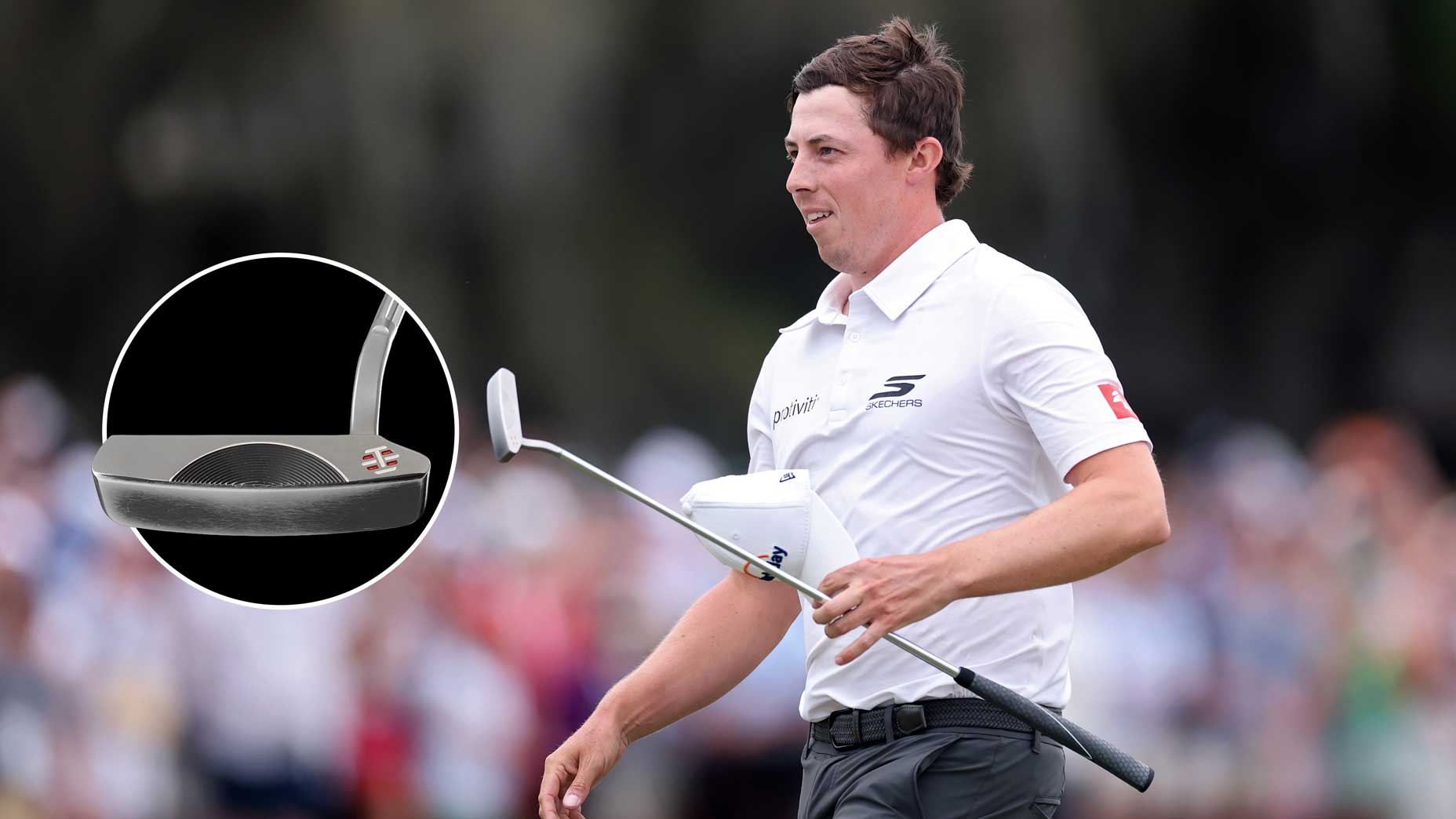
In a sport where technology often reigns supreme, Matt Fitzpatrick's recent triumph at the RBC Heritage has sparked conversations around the enduring relevance of blade putters. Winning for the second time this season, Fitzpatrick has demonstrated that classic equipment still has a place in modern professional golf, enticing fans and players alike to take a closer look at the virtues of these timeless tools.
Key takeaways
- Matt Fitzpatrick secured his second win of the season at the RBC Heritage.
- This victory marks his second win after switching back to a blade putter.
- His success has reignited interest in blade putters among golfers at all levels.
- Fitzpatrick's win emphasizes the importance of personal preference in equipment choice.
- The traditional blade design is increasingly seen as a viable option even in an era dominated by mallet putters.
Context and background
To appreciate Fitzpatrick's win fully, one must understand the history of putter design and the evolution of players' preferences. Blade putters have long been favored for their simplicity and precision, evolving from the wooden models of the early 20th century to modern iterations using advanced materials. However, as technology advanced, particularly in the 1990s and early 2000s, more golfers began to adopt mallet putters, drawn by their forgiveness and stability. The general trend saw mallet putters dominate the market, leading many to believe that blades had become obsolete.
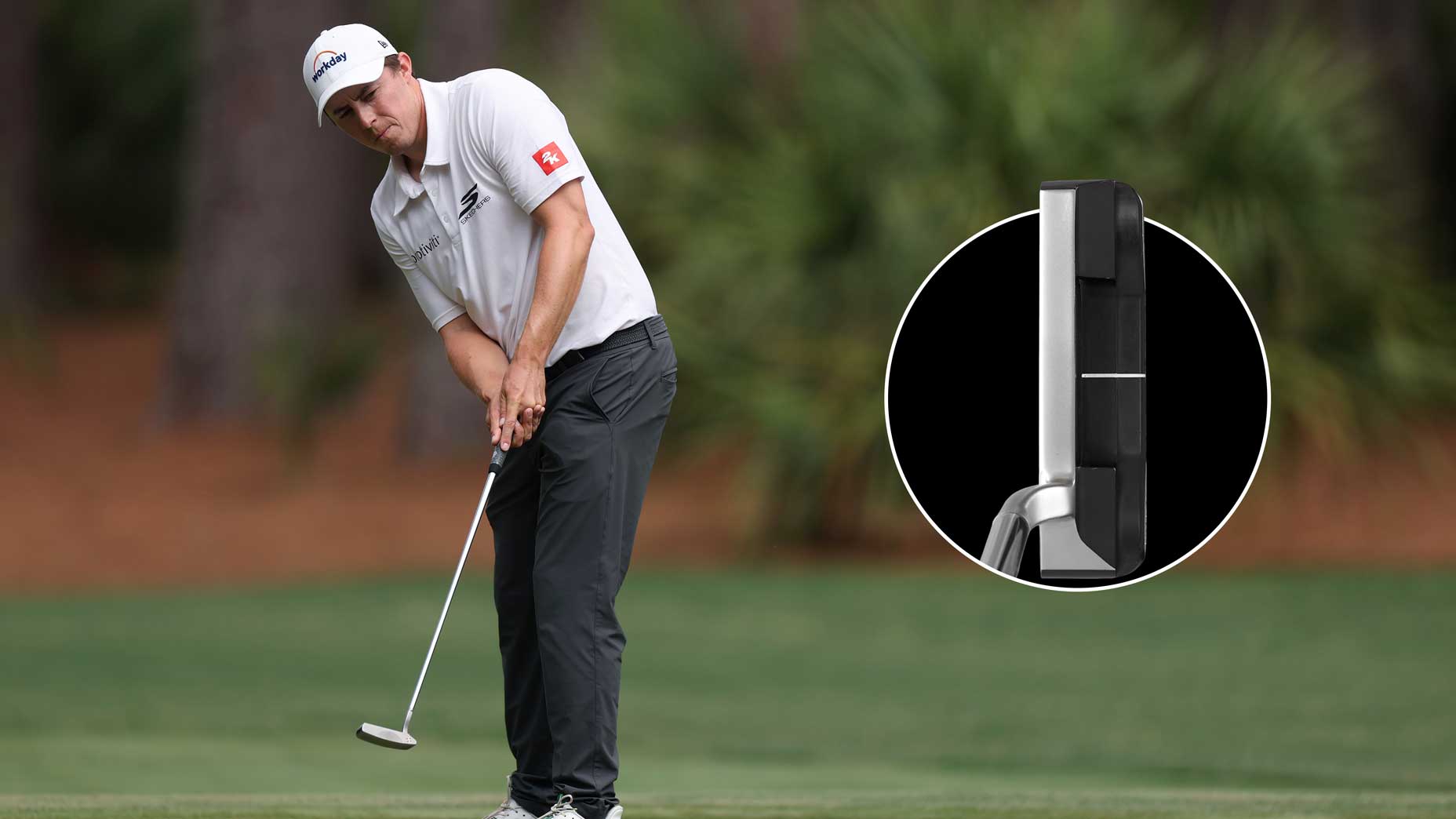
Despite this narrative, players like Fitzpatrick, who returned to a blade putter after experimenting with mallets, challenge the assumption that traditional designs are a thing of the past. Fitzpatrick's choice is particularly insightful; he has become known for his meticulous approach to putting and aligning, aligning perfectly with what blade putters offer in terms of feel and feedback.
Reviving the classic: Fitzpatrick's path to victory
Winning the RBC Heritage showcased not only Fitzpatrick's skill but also his approach to the game. After switching back to a blade putter, he revealed that the simplicity and line-of-sight provided by the design improved his confidence on the green. This sentiment resonates widely, as many players who struggle with accuracy and speed may benefit from the direct feel of a blade putter. In a system where performance is quantified, Fitzpatrick's numbers have spoken volumes; since his switch, he has not only improved his overall putting statistics but has also consistently ranked among the top putters on tour.
In the final round of the RBC Heritage, Fitzpatrick stepped up to crucial putts with poise, often showcasing the exact finesse that blades are designed for. While averages in strokes gained putting for 2023 indicate the dominance of mallet putters in the professional circuit, Fitzpatrick’s success suggests that blades are more than capable of competing. His victory, secured amidst a field filled with competitors relying heavily on modern technology, challenged the notion that the future belongs only to innovation.
Statistically, the difference is fascinating—Fitzpatrick’s approach could encourage a resurgence of blade putter usage among recreational golfers. It won’t be surprising to see aspiring players paying closer attention to their putter choices, especially if they resonate with Fitzpatrick’s message that a blade putter can enhance touch and control around the greens.
In their own words
"Switching back to the blade has just felt right. I trust the feel and direction it gives me on the greens. Winning with it again just reaffirms my decision."
— Matt Fitzpatrick
What this means for golfers
Fitzpatrick's success is a reminder that golfers of all skill levels should consider the impact of equipment choice. With blade putters making a comeback, many recreational players might find the classic designs offer distinct advantages, particularly in feel and intuitive alignment. The word 'feel' often surfaces in golfer discussions about their equipment, with blade putters carving out a niche where that sensation offers tangible benefits on the putting surface.
For those looking to elevate their game, the following tips can be drawn from Fitzpatrick's experience. Firstly, experiment with different putter types to discover which offers the best feedback and consistency for your personal stroke. Secondly, consider the mental aspect of the game—confidence in your equipment can drastically influence overall performance.
What's next
As the golf season progresses, all eyes will be on Fitzpatrick and how he continues to perform with his blade putter. Upcoming tournaments will provide further insight into how this resurgence might influence the choices of other professional players. The golf community is keenly aware of trends born from past champions, and if Fitzpatrick continues to find success, we could witness a shift back towards blade putters, showcasing an evolution rather than a fate sealed in the past.
Moreover, as manufacturers notice the renewed interest, we might see innovations that enhance the classic blade designs, marrying tradition with contemporary engineering. For now, audiences are left to speculate whether Fitzpatrick's triumph at the RBC Heritage will be a flash in the pan or the beginning of a broader movement back to a classic, beautifully simplistic approach to putting.