Intro paragraph
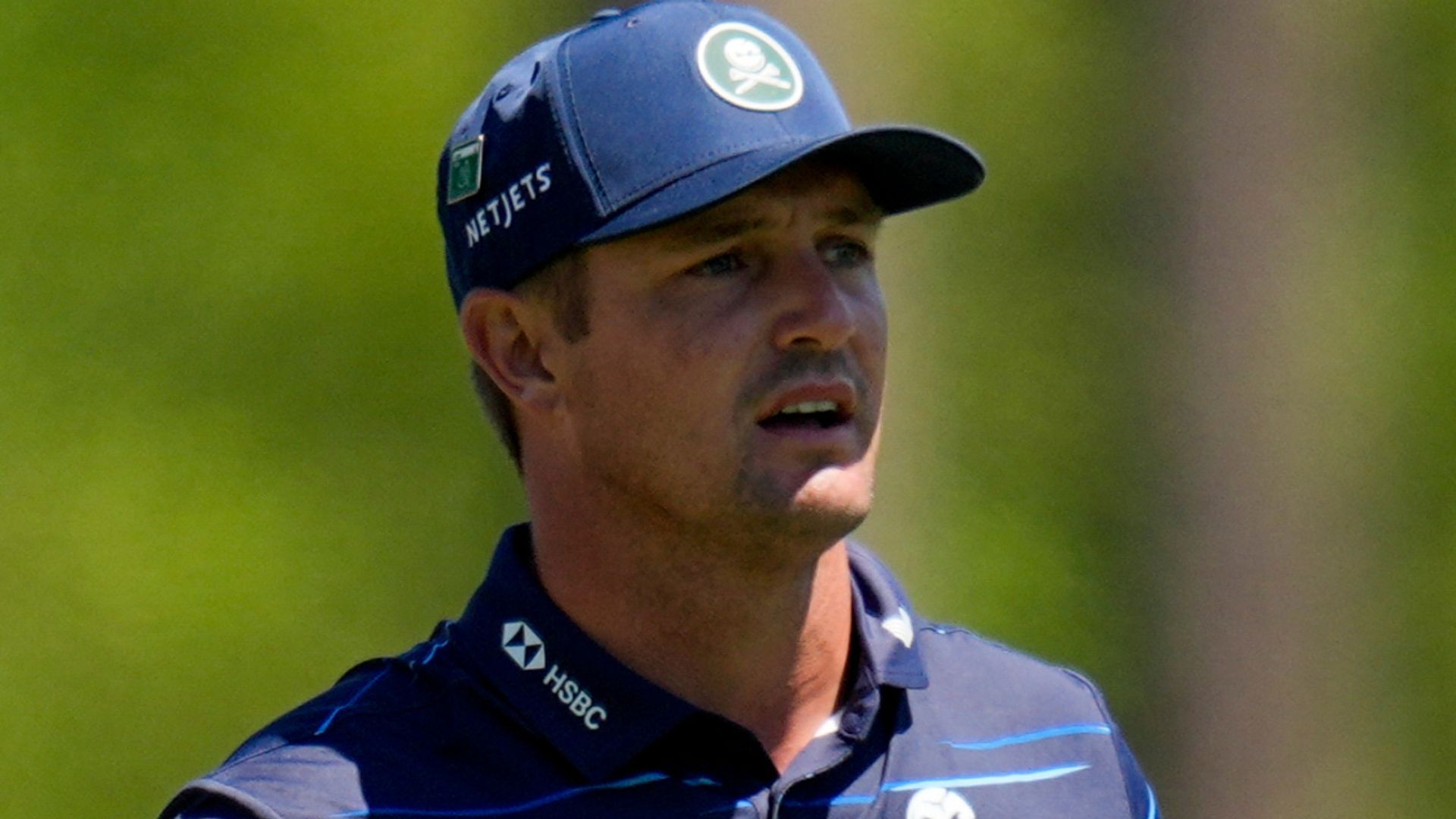
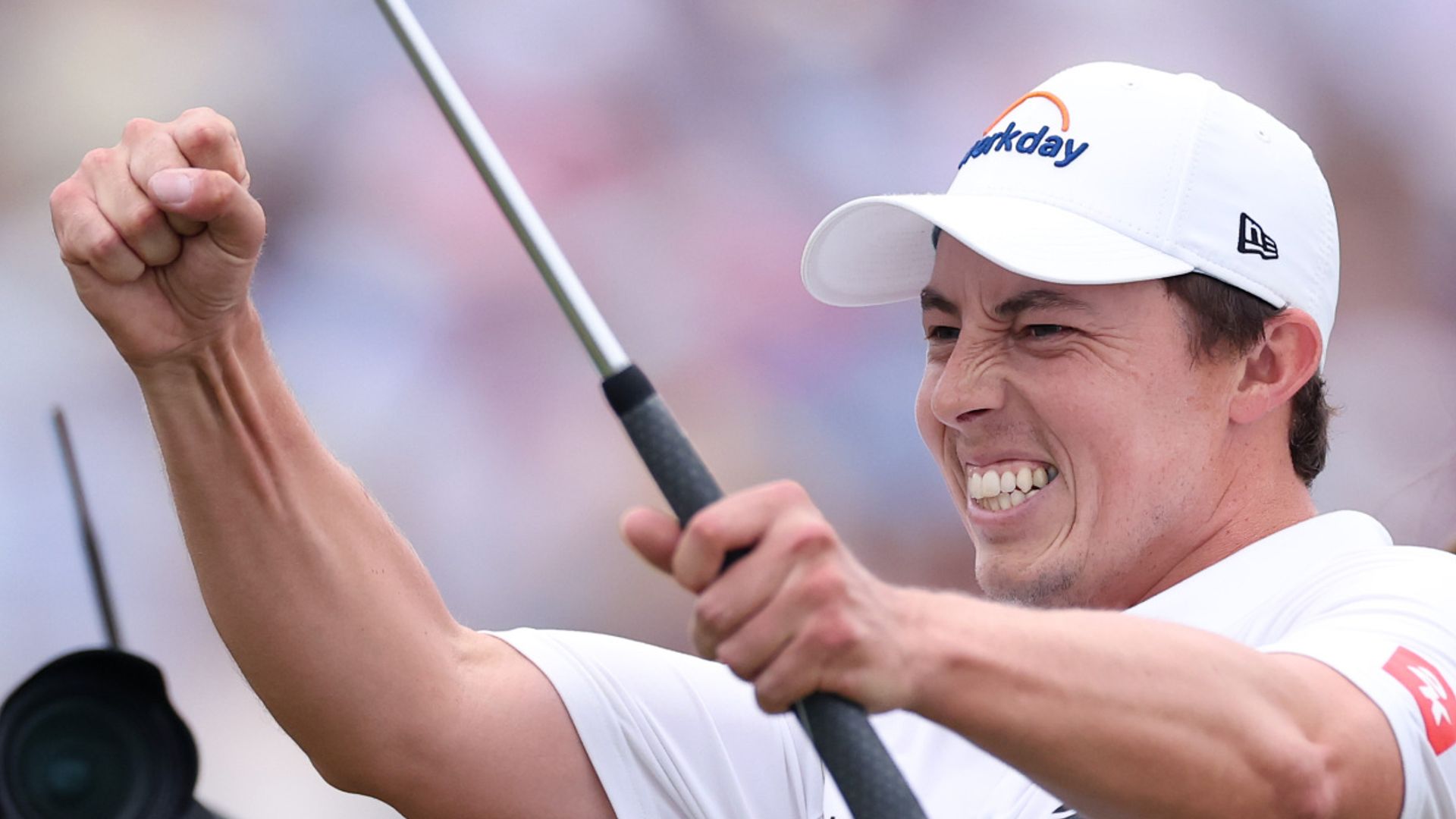
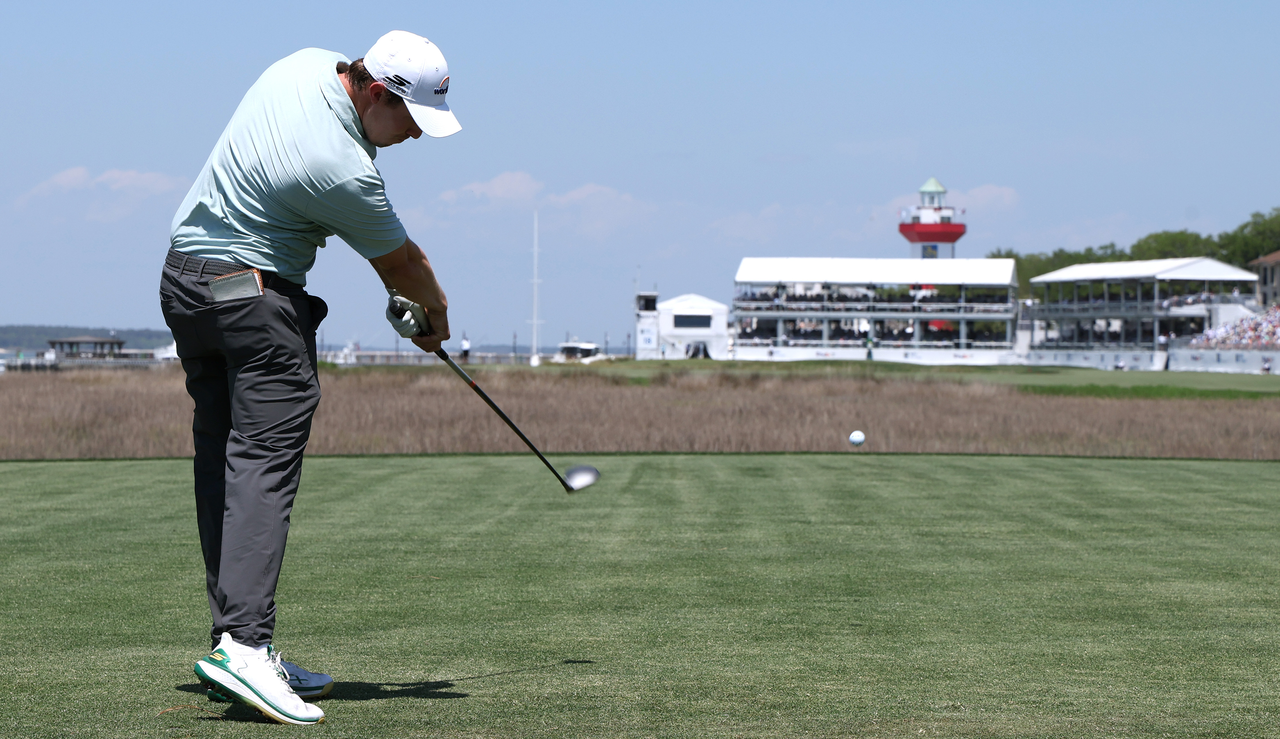
In an unexpected turn of events during the final round of the prestigious RBC Heritage at Hilton Head, PGA Tour star Max Homa let his frustrations boil over, dramatically tomahawking his club into the ground. This incident came just days after Homa openly shared his thoughts on the challenges faced by 'spoiled golfers,' raising questions about the pressures of the game and how players manage their emotions on and off the course.
Key takeaways
- Max Homa broke his club in frustration during the RBC Heritage final round.
- His outburst occurred shortly after discussing the struggles of 'spoiled golfers.'
- Homa's temperamental moment underscores the high-pressure environment of the PGA Tour.
- Such incidents prompt reflection on player accountability and emotional resilience in professional sports.
- The golf community is debating the impact of mental health and pressure on player performance.
Context and background
Max Homa has quickly become a recognizable name on the PGA Tour, not only for his impressive performances but also for his candid engagement with fans and followers on social media. Over recent years, he has steadily climbed the world rankings, capitalizing on a breakout season in which he secured multiple victories. However, with fame often comes scrutiny, and the mental toll of competition can lead to explosive moments, like the one witnessed at Hilton Head. According to statistics from the 2022-2023 season, golfers on the PGA Tour faced a competitive spirit that often clouds judgment, as players strive to balance personal expectations alongside the demands of their sponsors and fans.
Homa's emotional outburst at Hilton Head
During the final round at the RBC Heritage, Homa found himself in a challenging position, battling not only the other competitors but also the weight of expectation. His frustrations peaked when a wayward shot led to an uncharacteristic mistake on the course. With his club in hand, Homa unleashed his pent-up emotions, driving the clubhead into the ground. The moment captured the attention of spectators and fellow players alike, shining a light on how even the most skilled athletes can struggle with emotional control.
Historically, meltdowns or outbursts on the golf course are not uncommon, but they serve as stark reminders of the intense pressure that comes with professional competition. One need only look at past incidents involving notable players like John Daly or more recent episodes from Bryson DeChambeau to see that emotions can often dictate game performance. Homa's incident adds another layer to the ongoing discussion about the balance of mental health in high-stakes sports environments.
In their own words
"Golf is a game that can push anyone to their limits. It's hard to explain the pressure unless you've been in our shoes."
— Max Homa
What this means for golfers
Homa's incident is a poignant reminder that players at all levels face pressures that can manifest in various ways. For recreational golfers, it's crucial to tread carefully on the emotional side of the game. Practicing mental resilience is as essential as improving your swing or putting skills. Techniques such as mindfulness, visualization, and breathing exercises can assist in managing frustration during a round. Golfers can learn to channel their energies more positively to avoid potential breakdowns spurred by poor shots.
Moreover, when considering equipment purchases, players might contemplate clubs that offer more feedback or forgiveness to reduce the chance of mishaps leading to emotional explosions. Brands increasingly recognize players' mental health and well-being, and exploring equipment that suits individual playstyles can have not just physical but also mental benefits.
What's next
As the PGA Tour heads into the latter half of its season, all eyes will be on Homa to see how he rebounds from this emotional moment. Upcoming tournaments will likely display both the challenges and joys of professional golf. With bigger events looming on the calendar, including the Masters and various major championships, the psychological readiness of players like Homa will be critical. The tour's commitment to mental health initiatives may play a part in how players approach the competitive landscape going forward, potentially reshaping how emotional management and resilience are integrated into the sport.