Intro paragraph
The mental game of golf can often be just as challenging as the physical aspects, as Jess Ratcliffe discovered in her first match of 2026. Facing down her own doubts and anxieties, she learned a vital lesson: don't give yourself permission to lose. In an inspiring recount of her journey, Ratcliffe emphasizes the importance of mental resilience in achieving success on the course.
Key takeaways
- Jess Ratcliffe reflects on her mental struggles during her first match of the year.
- She argues that golfers should not give themselves permission to lose.
- Her experience highlights the need for mental resilience in competitive sports.
- Ratcliffe emphasizes self-belief as a key component of a successful performance.
Context and background
The game of golf is known for its unique blend of physical skill and mental fortitude. Players often speak of the psychological battles they encounter on the course, and for Jess Ratcliffe, her first match of 2026 was no exception. With a single-figure handicap, she has already established herself as a formidable competitor, but what breeds success is not merely technical perfection; it is the mental strength to perform under pressure.
Statistics show that nearly 60% of golfers believe that the mental side of the game is more challenging than the physical component. This mental aspect can often dictate not just individual scores but entire tournaments. Indeed, the mind influences how golfers approach each swing, shape their game plan, and respond to the inevitable pressures of tournament play.
Overcoming mental hurdles in golf
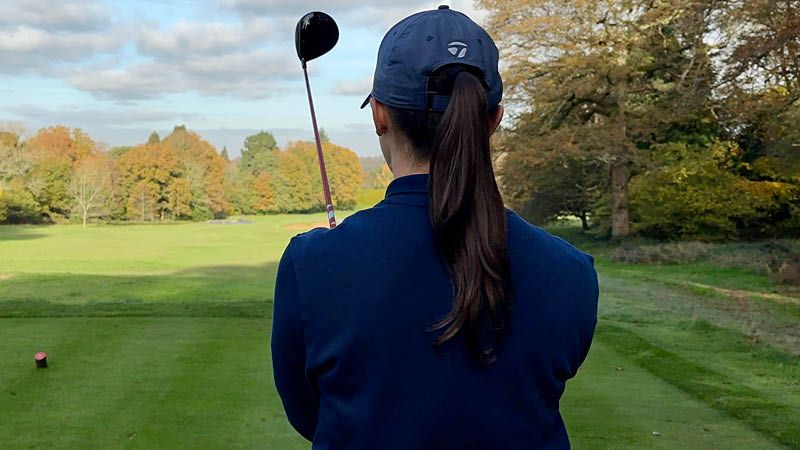
Ratcliffe recounted her experience on the first tee of that match, grappling with the internal fears that many players are all too familiar with. As she stepped up, her thoughts raced with potential pitfalls—what if she shanked her drive? What if her putting game faltered? This mental blockade can thwart even the most skilled golfers, dragging them down into a spiral of self-doubt and poor performance.
Throughout the round, Ratcliffe was acutely aware of her mind's attempts to sabotage her confidence. However, rather than succumbing to these negative thoughts, she made a conscious decision to confront them head-on. This shift in mindset is crucial; by reminding herself of her abilities and previous successes, Ratcliffe began to dissipate the weight of those mental hurdles.
Her resolve proved fruitful, as she managed to play a solid match, demonstrating that self-belief can indeed transform outcomes. She points out that even amidst potential failures, golfers must remain committed to their game plan and reflect on the skills that brought them to such competitions in the first place.
In their own words
"The biggest battle was within myself. I had to actively choose to believe in my abilities and not fall into the trap of self-doubt."
— Jess Ratcliffe
"Golf isn't just about the numbers on the scorecard. It’s a mental game, and if you let hesitation creep in, it can quickly affect your performance."
— Jess Ratcliffe
What this means for golfers
Ratcliffe's story serves as a powerful reminder for recreational golfers and competitors alike. Mental strength is just as vital as physical skill; therefore, golfers should continually develop their mental game through practice and self-reflection. Techniques such as visualization, mindfulness, and positive self-talk can be invaluable tools in tearing down the walls our minds may erect during critical moments on the course.
For players looking to invest in their game, this narrative underscores the importance of mental coaching alongside physical training. As more golfers recognize the necessity of maintaining a healthy mindset, we may see a surge in techniques designed to bolster confidence and resilience on the course.
What's next
Looking ahead, the competitive golf landscape in 2026 promises to be thrilling, with numerous tournaments on the horizon. As players prepare for these events, understanding the mental intricacies of the game will be paramount. Jess Ratcliffe's journey may serve as a model for aspiring athletes, encouraging them to tackle their own psychological barriers with confidence and tenacity.
For amateurs and professionals alike, the takeaway is clear: embrace the challenges, focus on underlying skills, and approach the game with an unwavering belief in one's own capabilities. Doing so may just lead to untold success on the course.