Intro
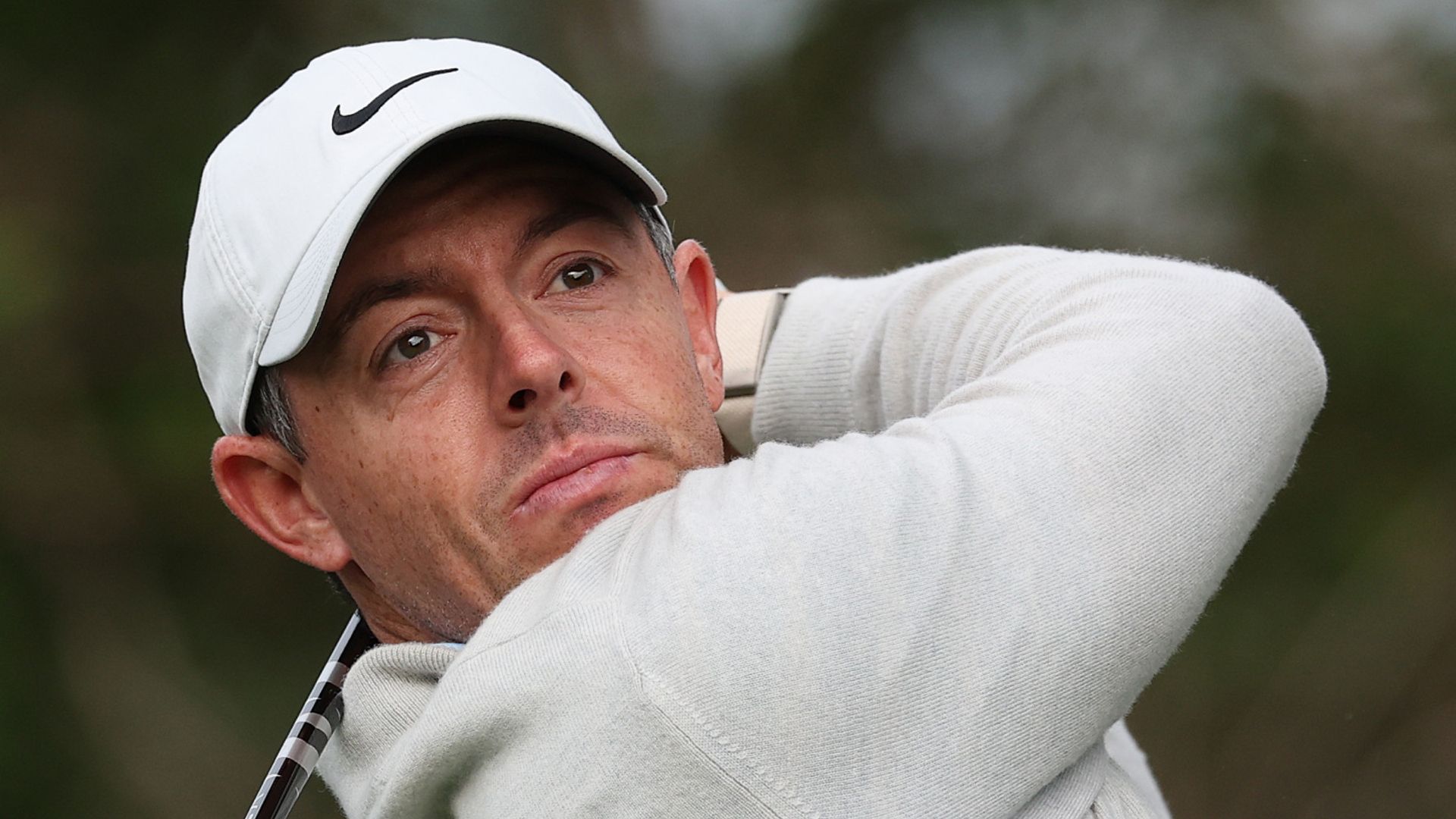
In an era where the PGA Tour's signature events draw massive attention, Rory McIlroy has placed himself in the spotlight by addressing a trend that has raised eyebrows among fans and players alike: the skipping of big tournaments. As he prepares to return to competition following his victory at the 2026 Masters Tournament, McIlroy candidly tackles the issue of player absences and offers insights into the evolving landscape of professional golf.
Key takeaways
- Rory McIlroy stated that there is a growing trend of players skipping signature events on the PGA Tour.
- He emphasized that this shift is something the public will need to accept over time.
- McIlroy returns to play this week for the first time post-2026 Masters victory.
- His comments reflect a broader change in the dynamics of professional golf, influenced by various factors.
- The discussions surrounding player commitment are becoming increasingly relevant as the tournament calendar evolves.
Context and background
The PGA Tour has long been regarded as the pinnacle of professional golf, showcasing not only top-tier talent but also offering players significant prize money and prestige. However, in recent years, a noticeable trend has emerged: an increasing number of players are choosing to skip high-profile events. Whether due to injuries, personal priorities, or a significant shift in career focus, this phenomenon has sparked debates about commitment and the future of the sport's traditional tournament schedule.
Statistics from previous seasons indicate that participation in signature events has dwindled, with notable stars occasionally opting out, leading to questions about the engagement of fans and the integrity of tour schedules. In 2025 alone, several marquee players withdrew from events like The Players Championship and the Memorial Tournament, leaving the professional circuit grappling with unforeseen challenges in maintaining competitive fields.
Rory McIlroy's insights into the changing landscape of golf
As McIlroy gears up for his first appearance since clinching the prestigious green jacket, he has taken it upon himself to address the narrative surrounding player withdrawals. McIlroy believes that the landscape of golf is shifting, and fans and commentators will need to adapt to this new reality. With a blend of honesty and introspection, he stated, “People are just going to have to expect this,” shedding light on the mindset of modern professional golfers.
Essentially, McIlroy’s comments underscore a growing paradigm where players feel empowered to prioritize their well-being and personal commitments over traditional expectations. The golf calendar offers heightened flexibility, enabling athletes to make choices aligned with their life goals and career trajectories. This shift is part of a larger trend where athletes across various sports are emphasizing mental and physical health, as well as quality over quantity in competitive engagements.
Furthermore, McIlroy's perspective hints at a potential recalibration of how fans and the media perceive player participation. Rather than viewing withdrawals as mere signs of commitment issues, there is an opportunity to recognize the underlying factors that contribute to these decisions.
In their own words
"People are just going to have to expect this; the landscape of golf is changing, and we have to adapt to it."
— Rory McIlroy
What this means for golfers
The implications of McIlroy’s revelation extend beyond the professional circuit. Recreational golfers can glean valuable insights into their own involvement in the sport. The lesson here is multifaceted: while it’s important to strive for improvement and consistency, players of all levels should also prioritize their own needs and well-being. Golf should remain an enjoyable pursuit — both on and off the course.
For amateur golfers, this means recognizing that it’s perfectly acceptable to take breaks or step away from competitive pressure when life demands it. Engaging in the sport should ultimately enhance personal well-being, rather than become a source of stress.
What's next
As we look forward to the upcoming tournament season, McIlroy’s reflections may encourage other players to speak out about their own experiences with event participation. The upcoming PGA Tour schedule will surely continue to test commitments, with marquee championships like the U.S. Open and the Open Championship on the horizon. It will be fascinating to see how players approach these key tournaments in light of the conversations sparked by McIlroy and others.
The evolving competitive landscape will also affect how sponsors, media, and fans interact with the sport, potentially reshaping the future engagement of professional golf. As players prioritize personal choices, golf may witness a renaissance of sorts, blending individual wellness and competitive integrity into a new, fruitful narrative.