Rory McIlroy to continue picking and choosing PGA Tour events
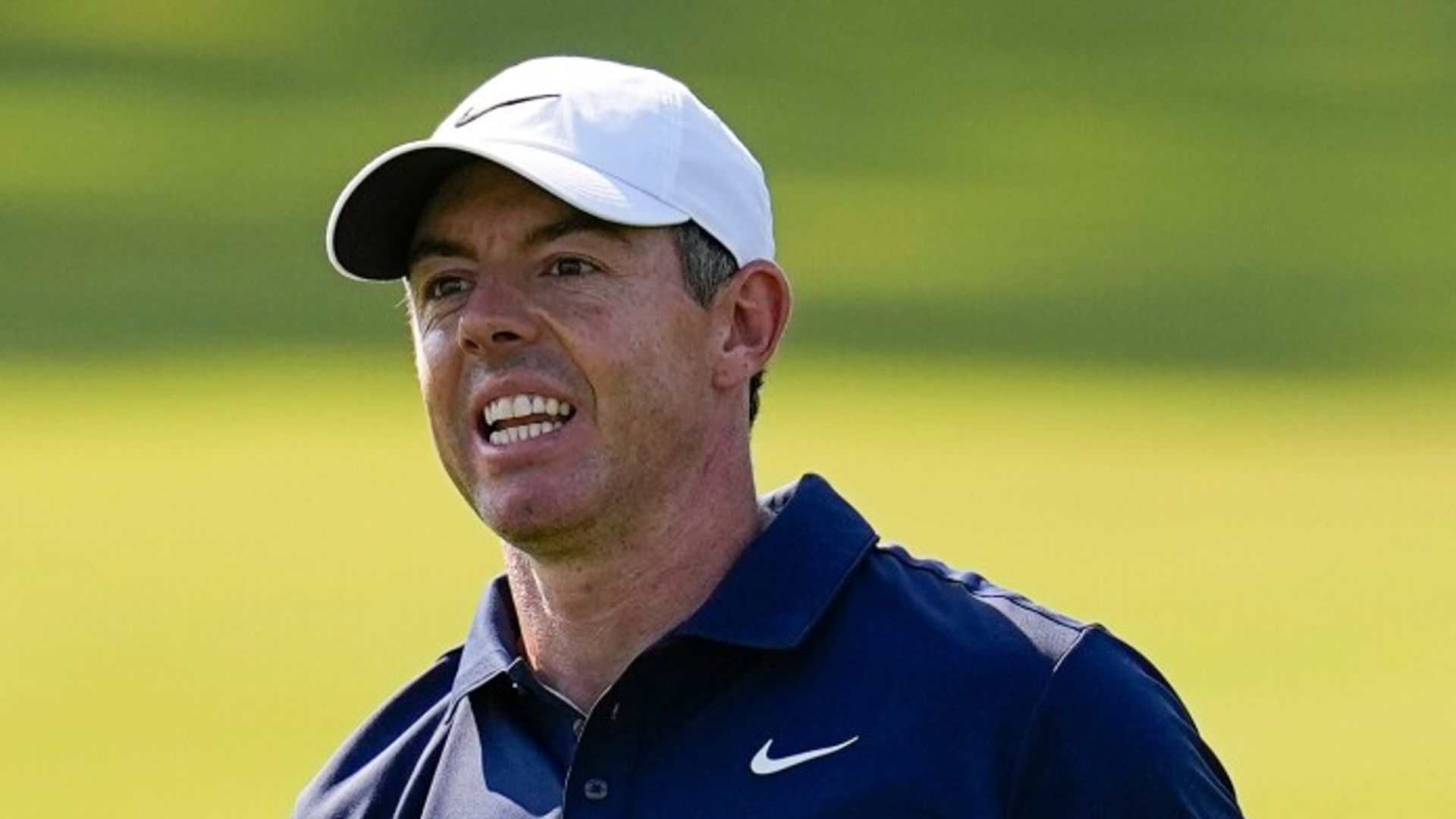
Rory McIlroy's approach to the PGA Tour has evolved dramatically over the past year, as the world No. 2 has recently embraced a more selective schedule. As he gears up for what will be only his sixth regular season PGA Tour appearance this year, he playfully referred to himself as a "part-timer," indicating a deliberate choice to balance his commitments on and off the course. This shift not only reflects his personal priorities but has also raised questions about what it means for the landscape of professional golf.
Key takeaways
- Rory McIlroy jokes about feeling like a "part-timer" as he prepares for his sixth PGA Tour event of the season.
- He plans to continue selecting which tournaments to participate in, focusing on quality over quantity.
- McIlroy’s limited schedule this year highlights a growing trend among top players to prioritize their time.
- As one of the sport's leading figures, his decisions could influence younger golfers and the future of tournament participation.
- The 2023 PGA Tour season has seen McIlroy taking a step back to balance competitive play with personal commitments.
Context and background
The landscape of professional golf has surged forward in recent years with substantial changes across both the PGA Tour and the broader golfing community. Traditionally, professional golfers often played a grueling schedule of upwards of 25 events each year. However, with the rise of personal branding, improved financial incentives outside of the tours, and the influence of social media, players are increasingly reevaluating how they approach their careers. Rory McIlroy, a four-time major champion and stalwart of the PGA Tour, is a case in point exemplifying this shifting mentality.
Statistics from the 2022 PGA Tour season show that players like McIlroy have begun to favor fewer events but with greater impact, building a reputation that moves beyond traditional tournament success. In 2022, he played in 22 events but has hinted at a decrease in quantity as he increasingly prioritizes select tournaments that align with his personal goals.
A balancing act: McIlroy's new approach
McIlroy's decision to approach the tour with a selective mindset stands as an interesting shift in a sport often defined by regular participation. In stating, "I feel like a part-timer these days," McIlroy jokingly highlights that his focus is not merely on accumulating starts but making thoughtful decisions about which tournaments enhance both his competitive edge and personal life.
This year, his participation in only six regular PGA Tour events puts him in a unique position among players who still adhere to traditional golfing commitments. However, McIlroy is not entirely alone in this; several elite players are opting to take similar routes, recognizing that quality of performance often outweighs the mere number of appearances. With this in mind, McIlroy’s strategic approach reflects growing trends involving personal branding and sponsorship commitments as the line between the sport and business blurs.
Moreover, this strategy serves as evidence of the changing priorities of top golfers who wish to maintain their performance levels while preserving their well-being and personal time. As the sport advances, the traditional constructs of what it means to be a full-time golfer are being redefined, creating a pathway for future stars to create their own unique approaches.
In their own words
"I feel like a part-timer these days. It’s a thoughtful choice – I want to manage my commitments effectively and focus on the events that truly matter to me."
— Rory McIlroy
What this means for golfers
McIlroy's stance on picking and choosing his events is significant for both amateur and aspiring professional golfers. His selective participation may inspire recreational golfers to focus on their enjoyment rather than simply adhering to a rigid schedule. Understanding one's personal interests and limitations can greatly enhance the golfing experience.
This sentiment resonates with local players who may find themselves overwhelmed with the demands of playing frequently, especially in competitive formats. Golfers can learn from McIlroy to assess which events align with their goals—whether it’s performance improvement or simply enjoying the game.
Additionally, those looking to purchase clubs or equipment should consider their participation levels. Choosing quality over quantity in gear, much like event choices, could lead to enhanced performance and ultimate satisfaction on the course.
What’s next
As McIlroy continues on this tailored path in his career, all eyes will be on his future tournament selections leading into the latter part of the 2023 season. Upcoming marquee events such as the FedEx Cup playoffs and major championships will be critical junctures, challenging not only his competitive spirit but also his approach to golf as a whole.
Moreover, how McIlroy and his fellow elite players adapt their schedules will likely shape the narrative of the PGA Tour moving forward. Fans will be keen to see whether this trend of selective participation gains traction among younger professionals, potentially signaling a turning point for the conventional golfing calendar. It's an evolving story to watch as McIlroy and others navigate their dual roles as athletes and public figures, balancing competitive excellence with personal fulfillment.
/https%3A%2F%2Fcdn.pijper.io%2F2026%2F06%2F1Idb7GKgZ0Kjv31780652026.jpg)