
Introduction
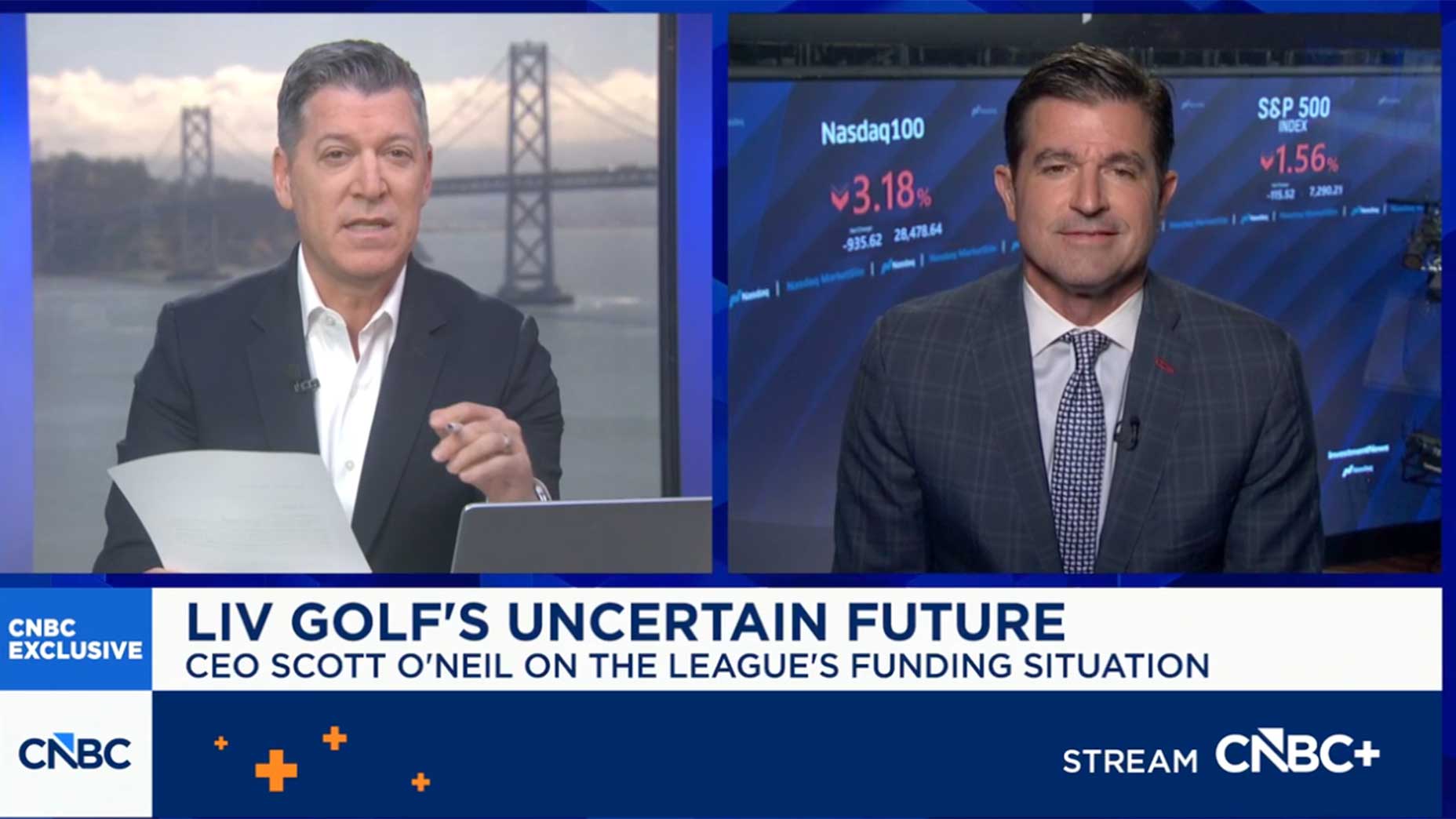
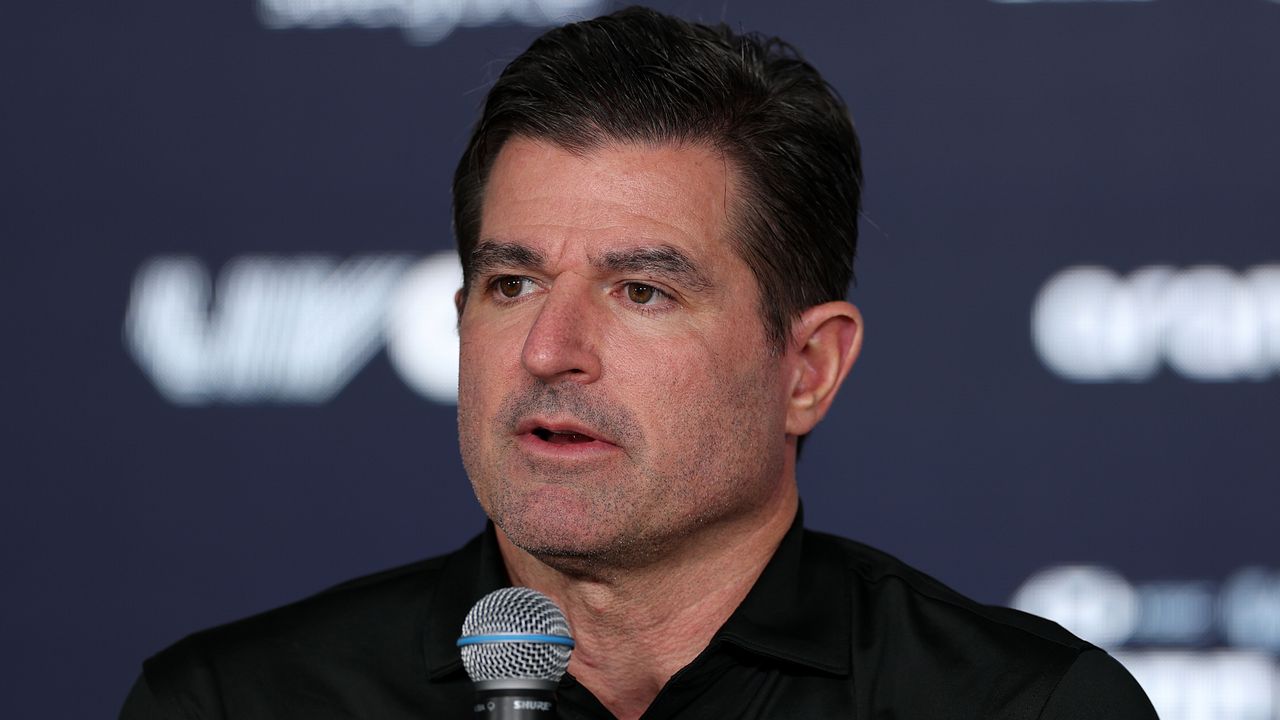
In a pivotal moment for the controversial LIV Golf league, CEO Scott O'Neil has stepped into the spotlight to provide clarity on the organization's trajectory amid growing uncertainties regarding financial backing. As whispers of potential funding volatility from the Saudi Public Investment Fund (PIF) circulate, O'Neil’s recent comments are crucial for discerning LIV Golf’s future in a competitive sports landscape.
Key takeaways
- CEO Scott O’Neil assured stakeholders of LIV Golf's operational stability.
- Concerns regarding funding from the Saudi Public Investment Fund were addressed.
- LIV Golf has made significant investments in player contracts and infrastructure.
- The league's ongoing events could be impacted by funding issues.
- O'Neil emphasized LIV Golf's commitment to grow the game and attract new fans.
Context and background
Launched in 2022, LIV Golf emerged as a bold challenger to traditional golf circuits, with its significant financial backing from the Saudi Public Investment Fund signaling a new era in the sport. This league aimed not only to attract top-tier players with lucrative contracts but also to reshape the golf experience for spectators through innovative event formats and protocols. LIV Golf made headlines early on by signing established stars, often at unprecedented sums, positioning itself as a viable alternative to the PGA Tour.
However, the financial framework built upon external investment has raised questions about its sustainability. Recent reports indicating that the PIF's continued support for the upcoming season may waver have sparked concern. O'Neil’s proactive stance in addressing these uncertainties is vital for reassessing the viability of LIV Golf as it matures.
Funding woes and CEO assurances
Speaking to an audience of fans and industry insiders, O'Neil addressed ongoing concerns directly. He highlighted the initial goals of LIV Golf and reiterated the league's substantial dedication to not only maintaining its existing roster but significantly enhancing golf's appeal:
"Our mission remains clear; we are here to elevate the sport and make it more accessible to fans around the world. We have the infrastructure in place and a strong commitment from our players."
— Scott O’Neil
O’Neil emphasized that LIV Golf has already seen a marked increase in viewership and engagement since its inception. This highlights the potential for growth even amidst funding ambiguity, especially when compared with traditional formats like the PGA Tour, which saw a 4% decrease in dedicated television viewers during the last season.
What's more, LIV Golf's model diverges from tradition, offering shorter events more conducive to contemporary viewing habits, an approach that aligns with increasing demand for instant content. Nevertheless, should the PIF withdraw or reduce its backing, it could jeopardize the league's ambitious player contracts and planned events.
In their own words
"This is an exciting time in professional golf, and while changes are inevitable, we remain committed to our stakeholders and the future of the league."
— Scott O’Neil
"Investing in this tour is not just about money; it’s about reshaping the landscape of golf for future generations."
— Anonymous LIV Golf Executive
What this means for golfers
For recreational golfers, the developments within LIV Golf could serve as an important case study on the impact of financial sponsorships in professional sports. The league’s struggle under the potential withdrawal of support from the PIF raises crucial questions about stability and integrity in sport sponsorships and how they affect player opportunities.
Amateur players looking for lessons from the current situation should focus on adaptability and resource management—both hallmarks of successful brands and athletes. Additionally, understanding how larger organizations are influenced by their financial backers underscores the importance of sustainability in sport.
What's next
As LIV Golf prepares for its upcoming schedule, including key tournaments, all eyes will be on the PIF's long-term financial commitment. The next few months will be decisive for not only the league's operational strategies but also for its player roster and potential event expansions.
Industry experts predict that if LIV Golf can navigate this tumultuous period effectively, it may emerge even stronger, leveraging its unique model to entice a broader audience. Conversely, if funding issues persist unaddressedly, it may force drastic changes or even retrenchment of ambitious plans.
Ultimately, Scott O'Neil’s confidence in the future of LIV Golf underscores a spirited vision for golf's next chapter, yet the inherent risks associated with its financial underpinnings remain a key concern for fans, players, and stakeholders alike.