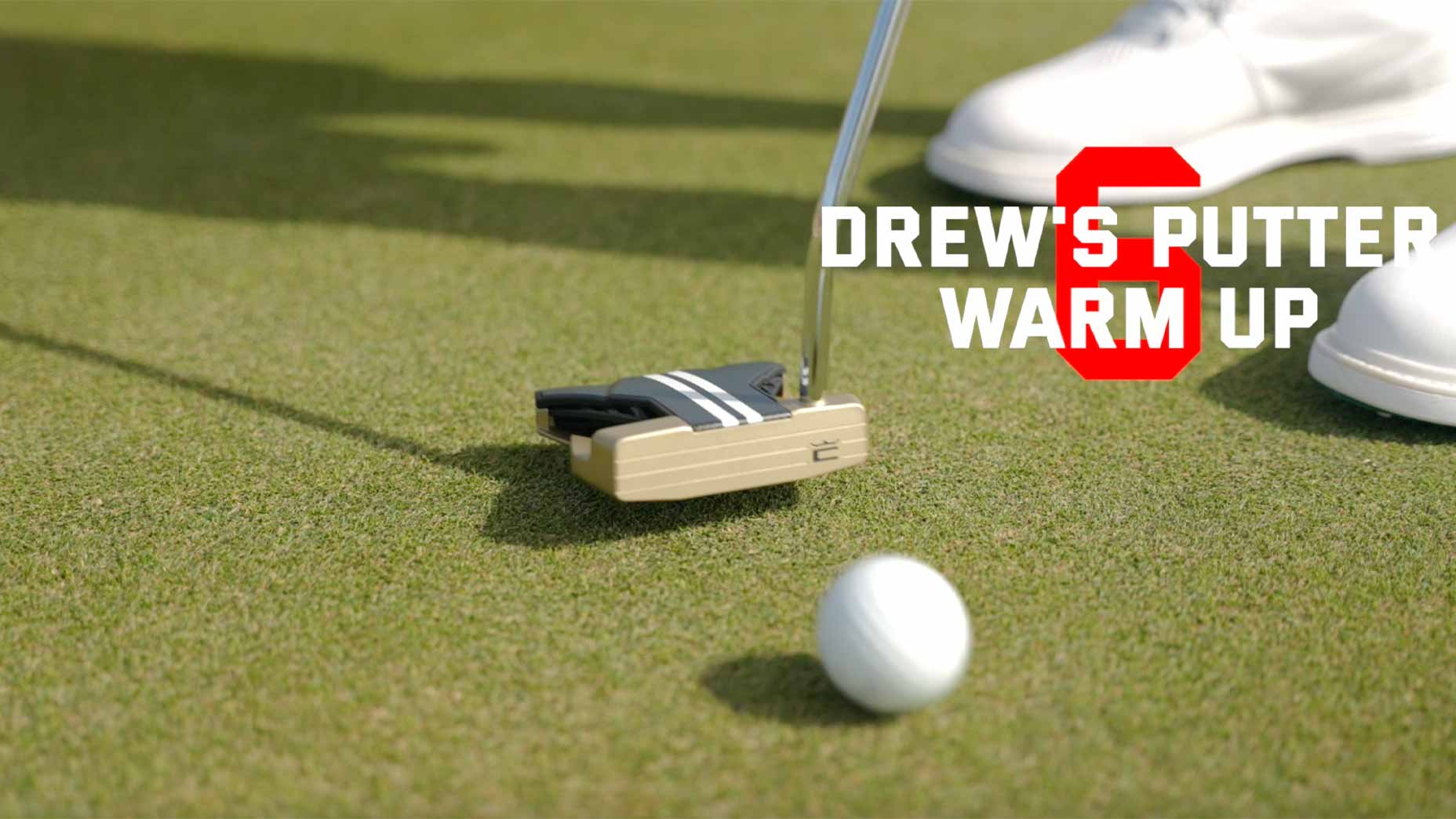


Understanding the significance of on-course ball testing
In the realm of golf, the equipment we choose can significantly influence our performance on the course. With this in mind, the discussion around on-course ball testing has gained momentum. Recent insights from industry experts underscore that testing golf balls under actual playing conditions is crucial for players seeking to enhance their game. This article delves into the substantial benefits of on-course testing, highlighting its vibrant role in the golf community.
Key takeaways
- On-course ball testing provides dynamic feedback about performance.
- Real-world conditions help assess how balls react to different lies and swings.
- Players can fine-tune their equipment choices for better results.
- Testing offers valuable data for selecting the right ball based on individual play style.
Context and background
Golf ball technology has evolved significantly over the years, with manufacturers constantly striving to produce equipment that caters to different skill levels and playing conditions. From the early wooden balls to the modern multi-layered designs, the implications of ball selection are extensive. Statistics reveal that amateurs can gain as much as 5-10 strokes off their rounds by using a ball suited to their swing characteristics and course conditions. Such advancements make it vital for golfers to not only consider their equipment but also how well it performs during actual rounds.
Why on-course testing matters
When it comes to performance, understanding how a golf ball behaves in an on-course scenario is indispensable. Several aspects differentiate on-course testing from lab simulations. For one, golfers must contend with various environmental factors—grass type, moisture levels, and terrain variations—each of which can influence ball trajectory, spin rates, and distance. A golf ball that performs exceptionally well in a controlled lab setting may not yield the same results when faced with unpredictable conditions on the course.
The feedback garnered from testing balls on the course allows players to make informed decisions about which golf ball is most compatible with their specific game. For instance, a golfer experiencing a hook might benefit from a ball with lower spin rates to help counteract their tendency. Similarly, those who struggle with distance can experiment with balls designed for increased launch angles. The practical advantage of testing various options is irrefutable, as it presents a comparative analysis tailored to real in-game scenarios.
Moreover, industry experts emphasize the importance of personal comfort and confidence. A golfer who knows their ball performs well under various on-course conditions is more likely to approach shots with assurance. This mental edge can be as critical as the equipment itself, leading to improved overall performance.
In their own words
"When you’re out on the course, you’re facing conditions only a test round can capture. Understanding how your ball reacts helps you adjust your strategy effectively."
— Jake Morrow
"Golf is as much a mental game as it is physical. Knowing the equipment works under real circumstances gives you the confidence to execute your plays effectively."
— Equipment Expert
What this means for golfers
For recreational golfers, taking the time to test golf balls on the course can yield meaningful insights into their performance. Here are a few practical applications:
- Prioritize testing: Schedule specific rounds devoted to experimentation with different balls. Note their performance on key shots.
- Analyze the data: Track performance metrics such as distance, accuracy, and spin rates. Use this information to guide future equipment purchases.
- Emphasize feel and control: The tactile experience of a ball can enhance player confidence. Choose balls that feel good off the clubface and provide the desired touch around the greens.
What’s next
As golfers become increasingly aware of the significance of their equipment, we can expect a surge in on-course testing events and programs. Many nearby golf retailers and courses may start offering sessions dedicated to helping players test various brands and models in real-world conditions. Additionally, professional events may begin incorporating additional testing elements to showcase how different athletes perform with varying golf balls. As the industry moves forward, one thing is clear—the knowledge gleaned from on-course ball testing is invaluable for taking your game to the next level.

/https%3A%2F%2Fcdn.pijper.io%2F2026%2F06%2FRkUgIHk3UBT3tw1781080975.jpg)