

Introduction
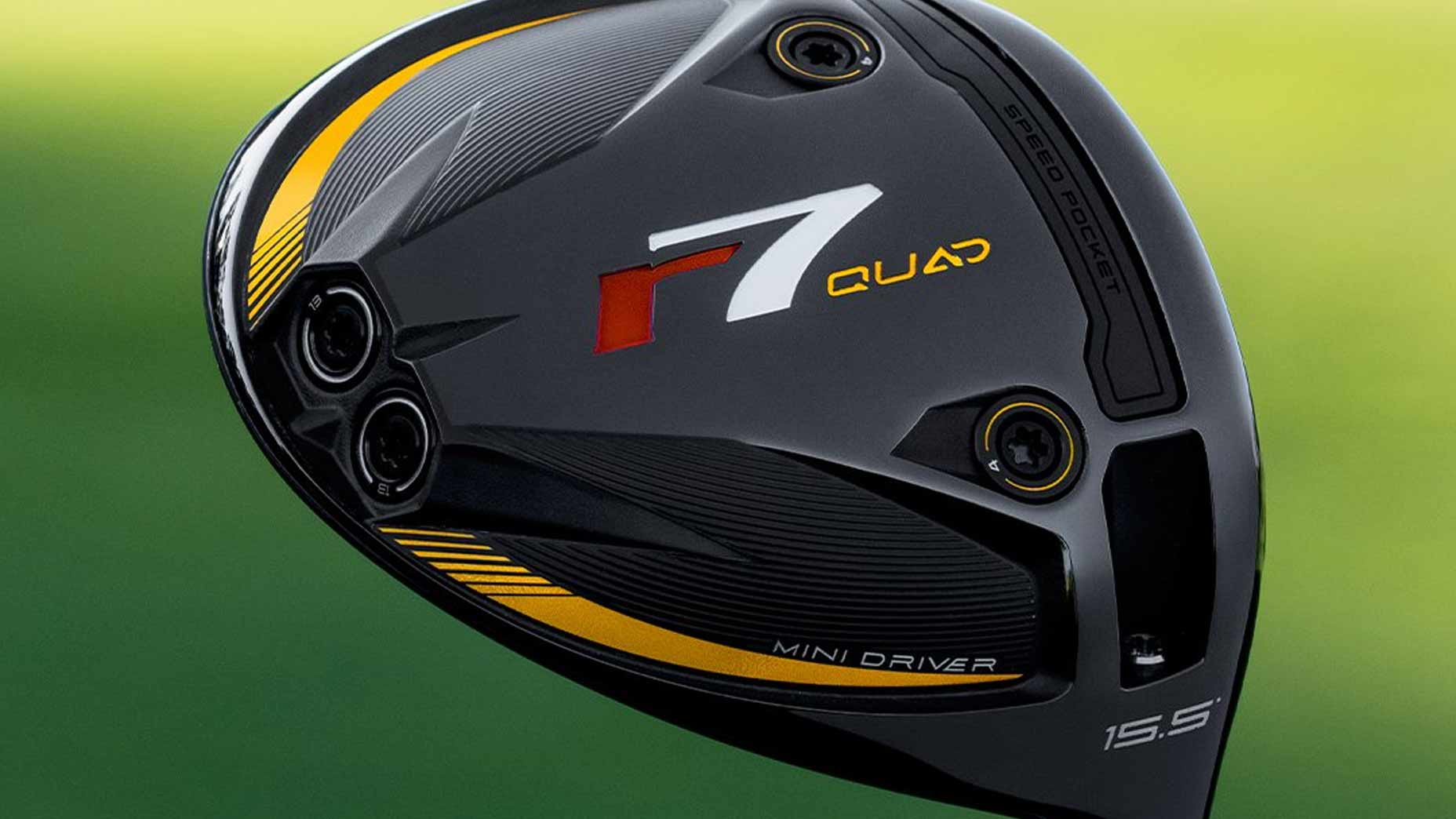
In the ever-evolving world of golf equipment, innovative designs continue to challenge traditional norms, and the 15-degree mini driver is a perfect example. Once viewed as an alternative for players seeking a different edge, this club has proven its worth on the course by combining distance, control, and versatility. In this week’s episode of GOLF's Fully Equipped, hosts Johnny and Jake dive deep into the surprisingly beneficial features of the 15-degree mini driver, revealing why it might just be the secret weapon in any golfer’s bag.
Key takeaways
- The 15-degree mini driver offers a combination of distance and accuracy, making it an appealing option for golfers.
- Its lower loft allows for a more penetrating ball flight, which is beneficial in windy conditions.
- A shorter shaft compared to traditional drivers can enhance control and consistency.
- Many players are finding success by integrating the mini driver into their tee box strategy.
- Counterbalanced shafts in conjunction with mini drivers can improve stability and reduce swing fatigue.
Context and background
The concept of a mini driver isn't completely new; however, its recent surge in popularity can be attributed to the increasing demand for versatile clubs that adapt to various playing conditions and golfer styles. Traditionally, golfers relied heavily on standard drivers, typically featuring lofts between 8.5 and 12 degrees. As technology progressed, manufacturers began to experiment with different loft levels and club shapes. The 15-degree mini driver, primarily designed for golfers looking to maximize distance while maintaining precision, emerged as a favorable option.
Statistics from numerous top-tier events suggest that many professional golfers have successfully incorporated mini drivers into their arsenal. Ergonomically, a mini driver typically features a shorter shaft, which not only enhances control but also aids in swing tempo—all crucial factors that can drastically influence a golfer’s performance. With an average effective hitting range around 230-270 yards off the tee, it’s no wonder that many players are willing to give this club a try.
Unpacking the mini driver's advantages
At its core, the appeal of a 15-degree mini driver lies in its unique ability to balance distance and accuracy. Conventional drivers generate immense speed and power but can often feel unwieldy, particularly for amateur golfers who may struggle with consistency. The mini driver reduces the learning curve by combining the benefits of a fairway wood and a driver, appealing to a broad spectrum of players.
One key advantage is the flatter trajectory the 15-degree loft provides. This is particularly beneficial for those who frequently play in windy conditions, allowing the ball to cut through gusts effectively. Furthermore, the precision that a shorter shaft lends to the swing cannot be understated. Players report greater confidence and improved accuracy when using a mini driver, especially on narrower fairways where precise shot placement becomes essential.
Consider the difference in performance stats: A player utilizing a mini driver may register a lower spin rate compared to traditional drivers, leading to greater distance and roll upon landing. Swing speed with a mini driver can also remain high, allowing players to unlock potential distances without sacrificing control. The overall reduction in spin enhances distance while minimizing the risk of hooks and slices, making this an appealing option for many golfers.
In their own words
"I switched to a 15-degree mini driver last season, and it completely changed my game off the tee. The ball just seems to fly straighter and further—it's now my go-to when I need a reliable shot."
— Professional Golfer
"The feeling of confidence I have with a mini driver is incredible. It’s my secret weapon in tight courses where I need precision over power."
— Amateur Golfer
What this means for golfers
The introduction of the 15-degree mini driver opens up exciting avenues for recreational golfers looking to improve their game. For many, the flexibility this club provides can enhance overall performance, making it ideal for those who struggle with traditional drivers. When considering equipment upgrades, golfers should test out several options, aiming to find what feels best and performs consistently. Pay attention to fitting—the shaft and clubhead balance make a significant difference in how effectively a player can control their shots.
In addition, as golf technology advances, the integration of counterbalanced shafts could further fine-tune the performance of mini drivers. These shafts provide stability, reducing unwanted movement during the swing and enhancing overall consistency, which can be pivotal for any player looking to shave off strokes.
What’s next
As the upcoming golf season approaches, many players will be reevaluating their equipment, particularly with the onset of various tournaments and matches. Testing a 15-degree mini driver should be on the radar for seasoned players and novices alike. Expect to see more advancements in club technology as manufacturers respond to golfer feedback, focusing on factors such as weight distribution and shaft dynamics. Keep an eye on upcoming tournaments—many champions may opt for this versatile club, setting trends that could influence recreational players and shape their equipment choices in the weeks and months ahead.