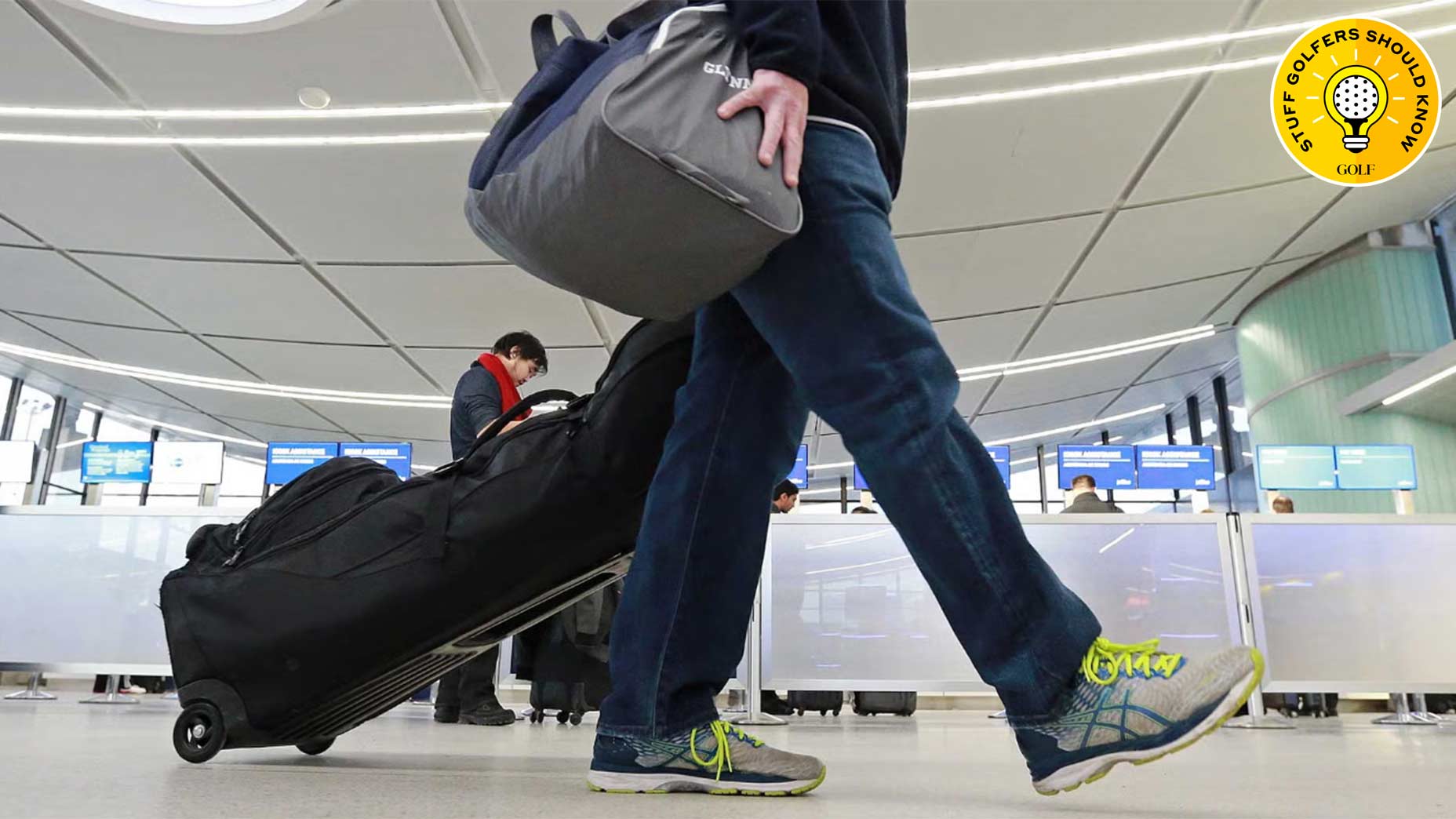
Traveling with golf clubs? Don't take this unnecessary risk
When it comes to air travel, golfers need to prioritize the safety of their prized possessions. With clubs often representing a significant investment, the thought of potential damage during transit serves as a discouraging reminder for many. A common yet relatively overlooked aspect of this process may become your best ally in maintaining your gear’s integrity as you embark on your golfing adventures.
Key takeaways
- Consider using a protective cover to shield your clubs during transit.
- Airlines are not liable for damage if clubs are poorly packed.
- Proper packing techniques can significantly reduce the risk of damage.
- Travel insurance can provide support for lost or damaged luggage.
- Familiarize yourself with airline policies on sporting equipment.
Context and background
The increasing trend of travel among golfers has paved the way for both excitement and concern, especially when it comes to the protection of golf clubs. As domestic and international flights facilitate easy access to golf courses worldwide, millions of players now transport their cherished clubs on journeys to find their next best swing. According to a 2021 report, about 3 million golfers travel with their clubs each year, emphasizing the need for a reliable protection strategy.
Historically, the turbulence of airline travel has proven hazardous to golfers' equipment. Statistics show that about 10% of travelers report luggage issues, including loss and damage, making it paramount for golfers to be proactive. Additionally, various airlines have different policies regarding the handling of sports equipment, often limiting liability in cases of damage due to improper packing.
Protecting your clubs: The key strategies
To travel securely with your golf clubs, start by investing in a high-quality golf travel bag. However, while many have made this investment, one fundamental aspect tends to get overlooked: the use of head covers. These often not-so-inconspicuous accessories can substantially increase the protection your clubs receive while in transit, minimizing the risk of dings and scratches. Head covers are designed to shield club heads from impact, which can result from careless handling by airline personnel.
According to a study by flight safety experts, nearly 30% of reported damage to golf clubs occurs at the heads due to improper packing. This calls for a dedicated approach to safeguarding the most vulnerable parts of your clubs. In addition to head covers, using towels or soft padding can provide extra cushioning within your travel bag.
Beyond head protection, proper packing techniques play a vital role in preserving the integrity of your equipment. Ensure that your clubs are arranged closely to minimize movement during transport. Employing dividers within the bag can also prevent clubs from knocking against each other, thus lowering the likelihood of parts being damaged or bent.
Moreover, understanding your airline's specific policies regarding sporting equipment can provide further assurances. Some airlines may allow an additional weight allowance for golf clubs, while others may impose fees. It’s crucial to check their website for guidelines and any potential financial liabilities they may carry.
In their own words
"For golfers, our clubs are like family. Treating them with the right care during travel can save a lot of heartache and expense later on."
— John Smith, PGA instructor
"Many players don't realize how easily clubs can get damaged if they're not properly prepared for air travel. Simple solutions like head covers can make a huge difference."
— Mark Johnson, Equipment Analyst
What this means for golfers
For recreational golfers, implementing these packing strategies can serve as a crucial lesson in safeguarding your investments. By utilizing head covers and adopting a proper packing method, you not only protect your clubs from potential damage but also contribute to a smoother travel experience overall. Moreover, as more golfers embrace the adventure of traveling with their clubs, becoming aware of airline policies and related tips is fundamental to avoid unexpected stress while on the go.
If you're in the market for new clubs or bags, consider investing in amenities like reinforced materials and additional padding that can enhance the protection during travel. Researching reviews from fellow travelers about their experiences with different travel bags can yield insightful information on the right product fit for your unique needs.
What's next
As the golfing season progresses, many players will be scouting for travel opportunities, whether for tournaments or relaxing getaways to renowned courses. With key events such as the Ryder Cup and various international tours approaching, golfers must remain vigilant about taking the right precautions for their equipment. Ensuring that your clubs are well-protected can lead to a much more enjoyable and stress-free golfing experience, allowing you to focus on what truly matters – enjoying the game.



/https%3A%2F%2Fcdn.pijper.io%2F2026%2F05%2FwTJeeQv2fD685k1777656786.jpg)