Intro paragraph
Mastering short game shots, especially from around 50 yards, can be the difference between a good round and a great one. Many golfers find themselves inexplicably struggling with wedge shots in this crucial range, leading to higher scores and frustration. Fortunately, a renowned golf instructor has provided straightforward techniques aimed at enhancing contact, achieving better control, and building consistency from this pivotal distance.
Key takeaways
- Understanding the importance of 50-yard shots in scoring.
- Simple techniques to improve contact and control.
- Emphasis on building consistency with wedge play.
- Strategies that can be applied by golfers of all skill levels.
Context and background
Wedge play is often cited as a top area where amateur golfers struggle, primarily due to the lack of practice and understanding of the technique required. According to statistics from various golf studies, shots from within 100 yards account for nearly 50% of the strokes in an average round of golf. With the 50-yard mark being a common distance for crucial approach shots, improving in this range can help golfers significantly lower their scores.
Historically, professionals dedicate a large portion of their practice to their short game. Research shows that while they hit approximately 14 greens in regulation, their ability to rescue themselves from around the greens drastically influences tournament outcomes. This basis emphasizes why mastering the 50-yard and shorter range can enhance performance on every level of competition.
Turning short game struggles into strengths
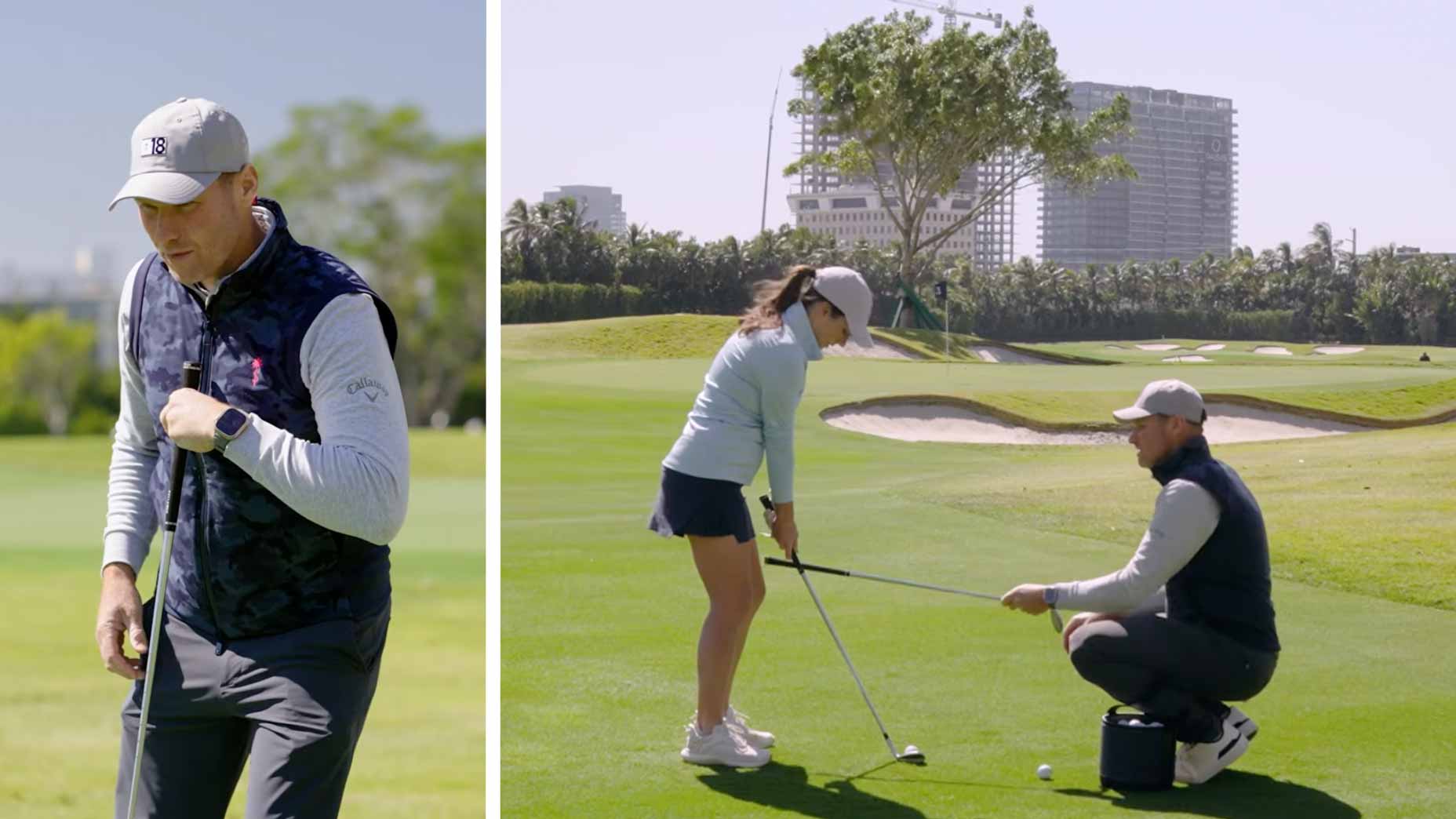
When it comes to shots from 50 yards, the key lies in understanding a few fundamental elements of the swing and the nuances of wedge play. First off, ensuring proper stance and setup can drastically change the outcome of these crucial shots. A wide stance can provide stability, while a square clubface aids in better contact.
Another important factor is the way you engage with the ground during your swing. Many golfers neglect the importance of their interaction with the turf when executing short wedge shots. Good technique involves a slight descending blow where the leading edge of the club interacts correctly with the ball and turf. This means practicing the feel of the club on the ground is essential for optimal results.
Some experts recommend a three-step approach:
- Feel: Initiate the swing with a relaxed grip and ensure the first move is fluid, feeling the weight shift properly through the shot.
- Focus: Concentrate on your target and visualize the intended path of the ball, maintaining a clear mental image.
- Follow through: Emphasize a balanced follow-through to ensure the club completes its motion smoothly, influencing accuracy and distance.
By incorporating these techniques into your practice sessions, golfers can build the confidence necessary to tackle the 50-yard shots. With an emphasis on comfort and familiarity with the clubs, the anxiety often tied to these shots can be minimized.
In their own words
"The best way to approach wedge shots from 50 yards is to build a solid routine that you can rely on. Focus, feel, and balance are key elements that golfers often overlook."
— Renowned Golf Instructor
"Finding consistent contact with your wedges can transform your game by turning potential drop shots into saves, ultimately keeping your scores lower."
— Tour Player
What this means for golfers
For recreational golfers, adopting these strategies can lead not only to improved scores but a better overall understanding of the short game. Practicing from 50 yards actually encompasses both skill and mental fortitude—cultivating a mindset focused on confidence can often lead to better results on the course.
In terms of equipment, choosing the right wedge can make a notable difference. Golfers are encouraged to use a wedge lofted correctly for their skill level and the conditions of the course. Bladed or cavity-back designs may offer different benefits that emphasize ball control versus distance, allowing golfers to fine-tune their approaches with gripped confidence. When customizing their bags, golfers should consider filling their arsenal with various wedges that suit their short-game needs.
What's next
Looking ahead, amateur golfers should consider including targeted short game practice into their training routines, especially when preparing for upcoming tournament play or golf outings. Participating in short game clinics or working with local pros can further sharpen skills.
As seasons change and courses play differently, adjusting one’s approach to 50-yard shots will prove vital. Keep an eye on player performance during competitive events, as effective wedge play becomes a focal point for tour professionals, demonstrating the true importance of mastering this range in the journey to lower scores and improved golf game.