Introduction
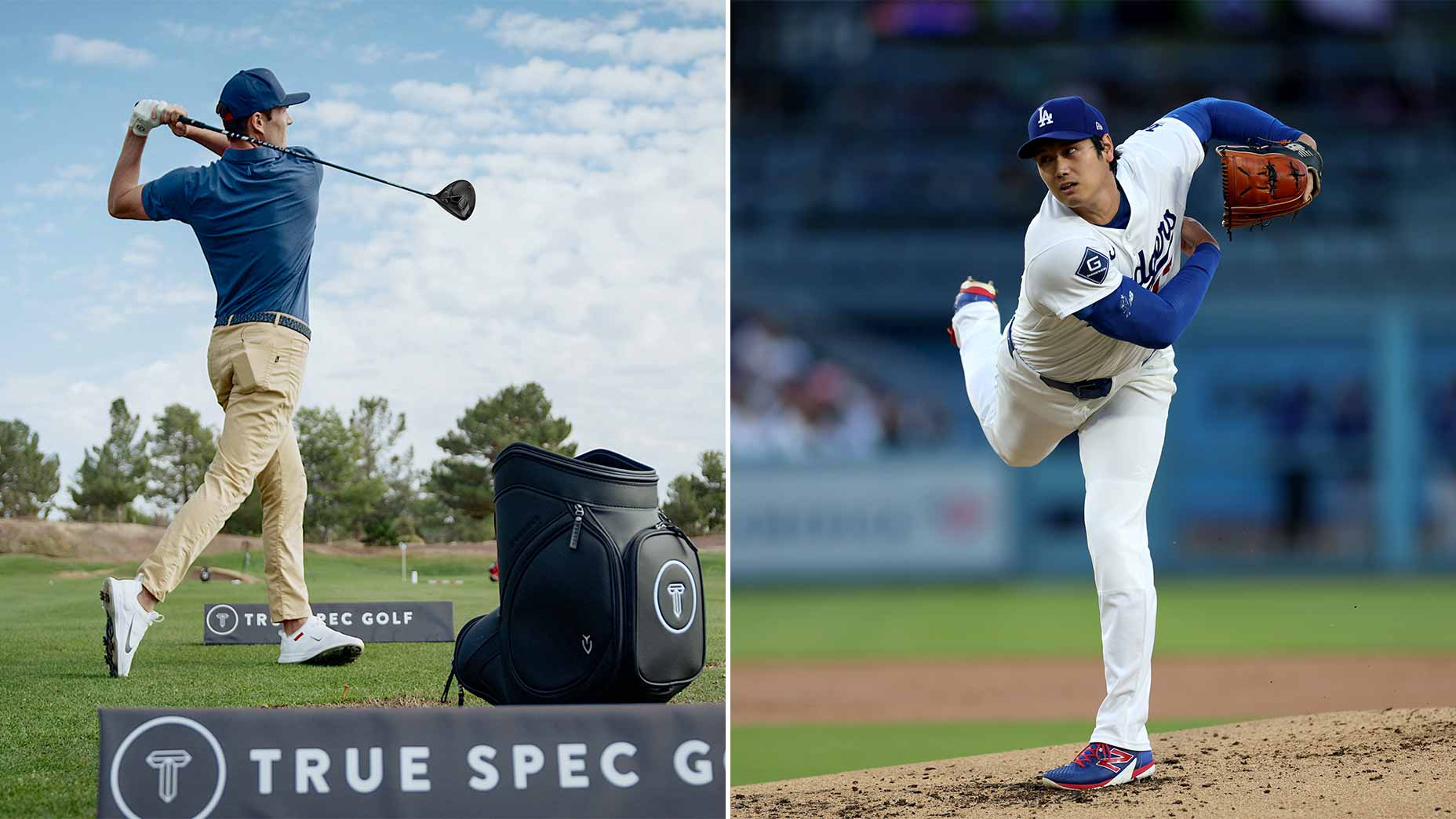
In the world of sports, the intersection of different disciplines can often yield surprising insights that enhance performance. This week’s episode of GOLF's Fully Equipped showcases an intriguing perspective: what Japanese baseball pitchers can teach golfers about club fittings. It’s an exploration of precision, technique, and the importance of tailored equipment that could revolutionize the way golfers approach their game.
Key takeaways
- Japanese baseball pitchers emphasize precision and technique in their training.
- The right club fitting can dramatically improve a golfer's performance.
- Fitting processes should be personalized, akin to how pitchers tune their craft to achieve optimal results.
- Understanding your own swing dynamics is as essential in golf as it is in pitching.
- Collaboration with experts in fitting can lead to significant breakthroughs in a player's game.
Context and background
Club fitting in golf is often viewed through the lens of science and technology, yet some of the best insights can be gleaned from seemingly unrelated sports. Japanese baseball pitchers are renowned for their meticulous approach to their craft, focusing intensely on the fundamentals and fine-tuning their skills. This commitment to personal excellence is paralleled in the world of golf, where successful players know that optimal equipment—tailored to their unique styles—can mean the difference between winning and losing.
Historical records indicate a strong correlation between properly fitted equipment and improved player performance. For instance, a study by the PGA revealed that golfers who underwent a comprehensive fitting process performed better statistically, lowering their handicap by an average of 1.5 strokes. Such insights hint that, just like a pitcher who understands every nuance of his throwing mechanics, golfers stand to benefit immensely from a fitting that accommodates their swing specifics.
Lessons from the mound: Precision and customization
The methodology employed by Japanese pitchers serves as a blueprint for golfers when it comes to club fittings. In baseball, pitchers analyze aspects like grip, arm angle, and body mechanics to refine their throw. Likewise, golfers can gain tremendous advantages by applying a similar analytical lens to their swing mechanics during the fitting process.
The role of an experienced fitter cannot be overstated. They analyze swing speed, angle of attack, and ball flight characteristics—much like how a baseball coach would observe a pitcher’s delivery to assess performance and suggest adjustments. For example, one might consider the benefits of different shaft flex ratings or clubhead designs. Just as a pitcher with a tailored uniform can optimize comfort and performance on the field, golfers benefit significantly from clubs that match their playing style.
Specific statistical insights further emphasize this relationship. Reports have demonstrated that a mere two-degree difference in loft can lead to a five-to-ten-yards variance in driving distance, illustrating the fine margins within which golfers operate. The precision with which Japanese pitchers execute their pitches is reminiscent of how closely golfers must pay attention to the intricacies of their fitting to achieve optimal performance.
In their own words
"Fitting is about understanding who you are as a player and what your swing embodies. Just like each pitch tells a different story, so does each golf shot. You need equipment that works for you, not against you."
— Johnny, Golf Equipment Expert
"The art of pitching, much like golf, is all about precision. Knowing how to fine-tune your setup can lead to unmatched performance on the field or course."
— Jake, Golf Equipment Analyst
What this means for golfers
For recreational golfers, understanding the impact of a well-fitted club is crucial. Amateur players often overlook the significance of proper equipment, distracted by flashy brands or looks, rather than focusing on performance optimization. Insights drawn from Japanese baseball pitchers suggest that understanding one's own style and needs is vital in the journey to enhancing performance on the course, echoing the message: fit first, play better.
Golfers should consider approaching fittings with questions in mind—what swing characteristics do I exhibit? What are my most common mistakes during play? Collaborating with fitters who analyze these dynamics can lead to revelations about club specifications that can make swings more effective.
What's next
As golf continues to evolve, so too will the fitting process. Expect to see advancements in technology that better analyze swings and fit clubs, along with a greater emphasis on cross-sport learning. Upcoming golf expos and industry conferences will likely focus on integrating insights from various sports, like those from the pitching mound of baseball, into golf performance training and club fittings.
The takeaway for golfers is to stay curious, continually seek improvement, and recognize that the path to better scores lies in understanding the delicate interplay between technique and equipment. Just as Japanese baseball pitchers have demonstrated through their precise craft, optimizing one’s own fitting can yield results that turn a round of golf from ordinary to extraordinary.

/https%3A%2F%2Fcdn.pijper.io%2F2026%2F06%2FRkUgIHk3UBT3tw1781080975.jpg)