Introduction
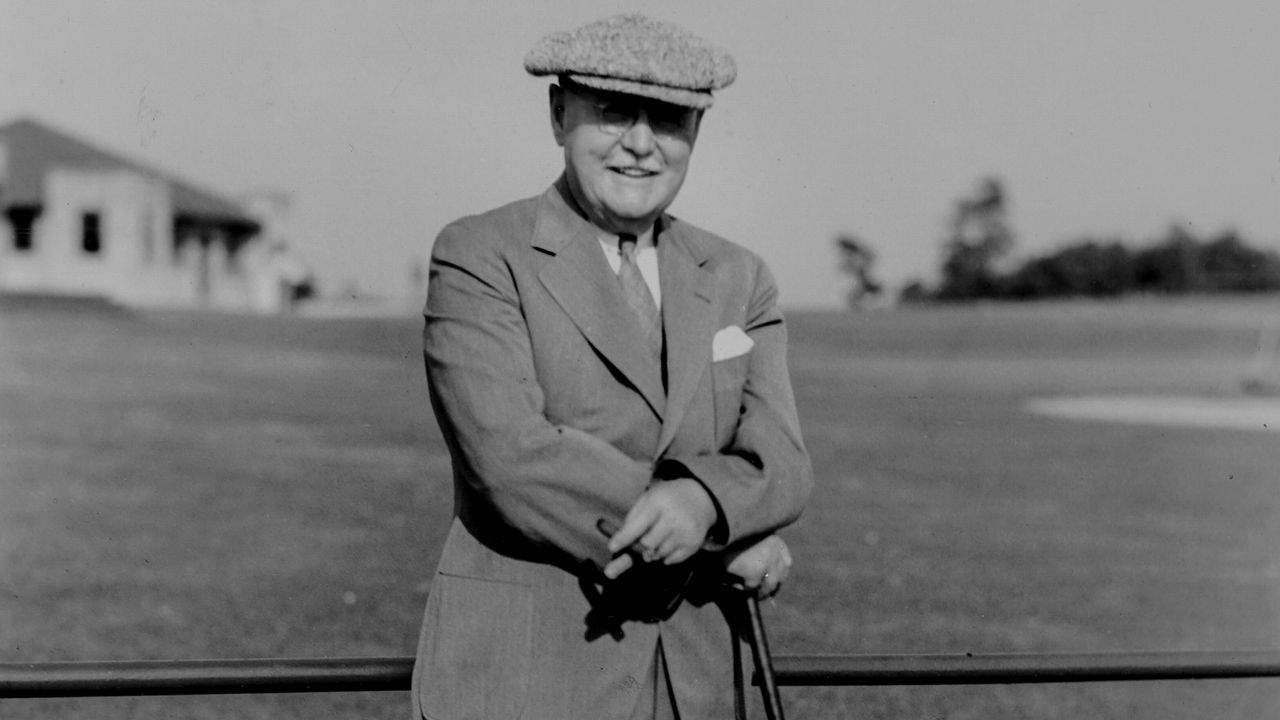
Golf enthusiasts and players alike recognize Donald Ross as one of the most significant architects in the world of golf course design. His meticulous attention to detail and in-depth understanding of the game led him to create some of the most celebrated courses in golf history, including the renowned Aronimink Golf Club in Pennsylvania, a venue that has hosted several major tournaments. As we delve into Donald Ross's life and works, we uncover not just his impressive portfolio of designs but also his enduring impact on the sport.
Key takeaways
- Donald Ross was a pioneering golf course architect with a lasting legacy.
- He designed over 400 courses, with notable designs including Pinehurst No. 2 and Oakland Hills.
- Ross emphasized strategic play and natural landscapes, influencing modern golf design.
- His creations continue to challenge and inspire players, from amateurs to professionals.
- Aronimink Golf Club is recognized for its Donald Ross design and is a frequent host of major championships.
Context and background
Born in 1872 in Dornoch, Scotland, Donald Ross developed a passion for golf at a young age. He became an accomplished player, honing his skills at the prestigious Royal Dornoch Golf Club. After moving to the United States in 1899, he began his career in the golf industry working as a greenkeeper before quickly transitioning to course design.
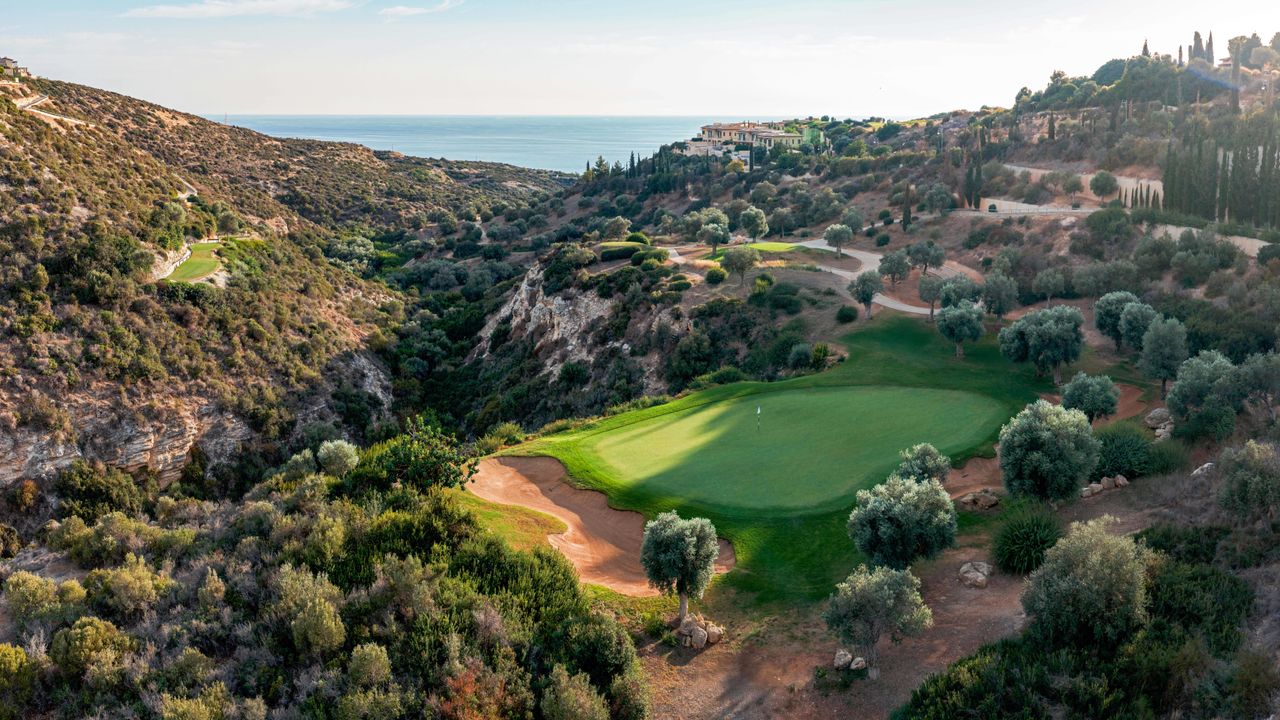
Ross's design philosophy focused on creating courses that harmonized with the natural landscape while providing an intriguing challenge for players of all skill levels. This philosophy, coupled with his keen understanding of the game, allowed him to craft courses that are both beautiful and strategically rewarding.
Over his prolific career, Ross designed more than 400 courses across North America, many of which have gained recognition as some of the finest in the world. His signature style featured undulating greens, bunkered fairways, and strategic hazards that compelled players to think critically about each shot.
The art and legacy of Donald Ross
Donald Ross's influence on golf course design is unparalleled. His work can be seen across the United States, with notable courses like Pinehurst No. 2 in North Carolina – famed for its challenging layout and history as a major championship venue. Ross utilized natural terrains and native grasses to enhance the beauty of the course while optimizing playability.
One key aspect of Ross’s designs is the strategic use of elevation changes. He believed that elevating certain greens would create complexity in shot selection, demanding precision and strategy from players. This design philosophy is particularly evident in the layout of the Oakmont Country Club, where Ross made significant alterations that have been praised as genius.
Aronimink Golf Club, situated outside Philadelphia, is another of his notable creations. Opened in 1928, it stands out not only for its challenging layout but also its historic significance in hosting tournaments like the 2018 BMW Championship and the 1930 U.S. Amateur. Aronimink epitomizes Ross's belief in designing courses that engage players while emphasizing the landscape, showcasing sweeping vistas and dramatic elevation changes that draw players in.
While the game has evolved with modern technological advancements, many of Ross's courses remain relevant and challenging. Architects today often draw inspiration from his designs, aiming to balance aesthetics with strategic play – a hallmark of Ross's work that continues to resonate.
In their own words
"Every course I design is made for the unique features of the land. A great course should blend seamlessly with nature while challenging the player to think and adapt."
— Donald Ross
"Ross had a genius for making golf enjoyable while encouraging players to hone their skills on his courses. His work is a testament to how golf can celebrate both beauty and challenge."
— Golf historian
What this means for golfers
For those considering course equipment, one takeaway from Ross’s legacy is the importance of using clubs that allow for precision and control, rather than just power. Learn from his approach and strive for equipment that complements your style of play.