Intro paragraph
For golfers seeking to elevate their game and shoot lower scores, the importance of a reliable short game cannot be overstated. One of the most critical aspects of a consistent short game is the ability to calibrate your chipping effectively. Top 100 Teacher Kellie Stenzel offers insights into two straightforward keys that could transform your chipping routine and enhance your overall performance on the green.
Key takeaways
- Calibrating your chipping technique is essential for a reliable short game.
- Two key elements can significantly improve your chipping accuracy.
- Expert Kellie Stenzel emphasizes practice and precision in chipping.
- Lower scores often correlate with refined short game skills.
- Amateur and professional golfers alike can benefit from these insights.
Context and background
The short game, specifically chipping, represents a pivotal component of golf that can drastically impact a player's overall performance. Statistics indicate that high-quality chipping can lead to lower scores, as many players fail to capitalize on opportunities when they miss greens. According to the PGA, around 60% of strokes gained in a round of golf can come from the short game, illustrating its undeniable importance.
Over the years, various techniques and training regimens have been adopted by golfers to refine their chipping. However, many often overlook the foundational elements that contribute to effective chipping. With Kellie Stenzel's guidance, golfers can focus on calibrating their technique to ensure that every chip shot is executed with precision, regardless of the course conditions.
Mastering the art of chipping
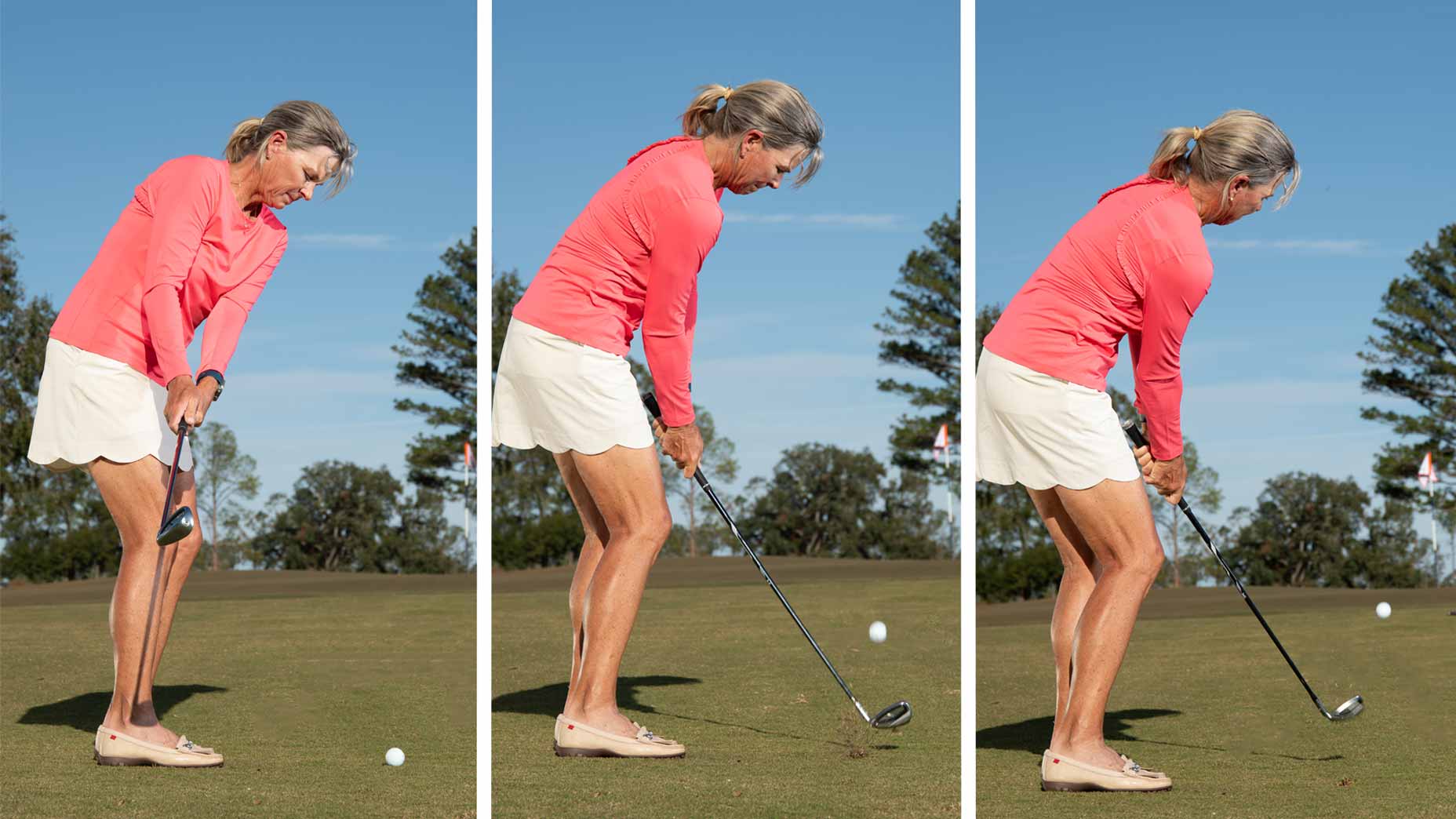
Calibrating your chipping relies heavily on two essential keys that Stenzel emphasizes: the stance and the tempo of your swing. Both play a fundamental role in achieving consistent results on the course. A well-structured stance helps to create a natural setup that aids in controlling the ball's trajectory while facilitating proper weight transfer during the swing. Stenzel recommends positioning your feet shoulder-width apart and ensuring that your weight is slightly favoring your front foot to begin with.
Once the stance is established, attention to the tempo of the swing becomes paramount. Golfers often struggle with either too slow or too fast a swing, leading to inconsistent contact with the ball. Stenzel suggests focusing on a smooth, controlled stroke that matches the distance required for the chip. Practicing with a metronome or counting can help reinforce the rhythm and tempo necessary for successful shots.
Moreover, Stenzel advocates for routine practice sessions aimed at honing these elements. According to her, repetition is key to instinctively calibrating one's chipping technique. Spending dedicated time on the practice green allows players to experiment with different types of shots and distances, further embedding the calibration into their muscle memory.
In their own words
"Chipping can be one of the most challenging aspects but also the most rewarding if done correctly. Focus on nailing the fundamentals of your stance and tempo, and your short game will flourish."
— Kellie Stenzel
"Lowering your score isn't just about the big drives; it's often found in the delicate touch of chipping around the greens. Master this, and you'll see results."
— Kellie Stenzel
What this means for golfers
For amateur golfers, calibrating your chipping can lead to instant improvements in scoring, as even a slight adjustment can have significant results. By focusing on these two keys—stance and tempo—players can reduce their average number of putts per round, enabling them to capitalize on more opportunities to score. It’s worth considering dedicated practice for chipping as a major component of training routines.
When investing in practice equipment or lessons, golfers may wish to consider coaching that highlights short game strategies as part of their package. Instruction is valuable, but self-practice tied to the principles revealed by experts like Stenzel will yield the greatest gain.
What's next
As the golf season continues, golfers preparing for upcoming tournaments or casual rounds should prioritize enhancing their chipping skills. Local tournaments provide a great opportunity for players to put their calibrated chipping techniques to the test. Additionally, upcoming clinics or workshops led by teaching professionals can be an excellent resource for players looking to embed these foundational tactics more solidly.
Looking further into the year, golfers should keep abreast of new training aids or innovative practices that can complement their short game. The game of golf evolves, and staying informed can provide a competitive edge while enhancing overall enjoyment of the sport.