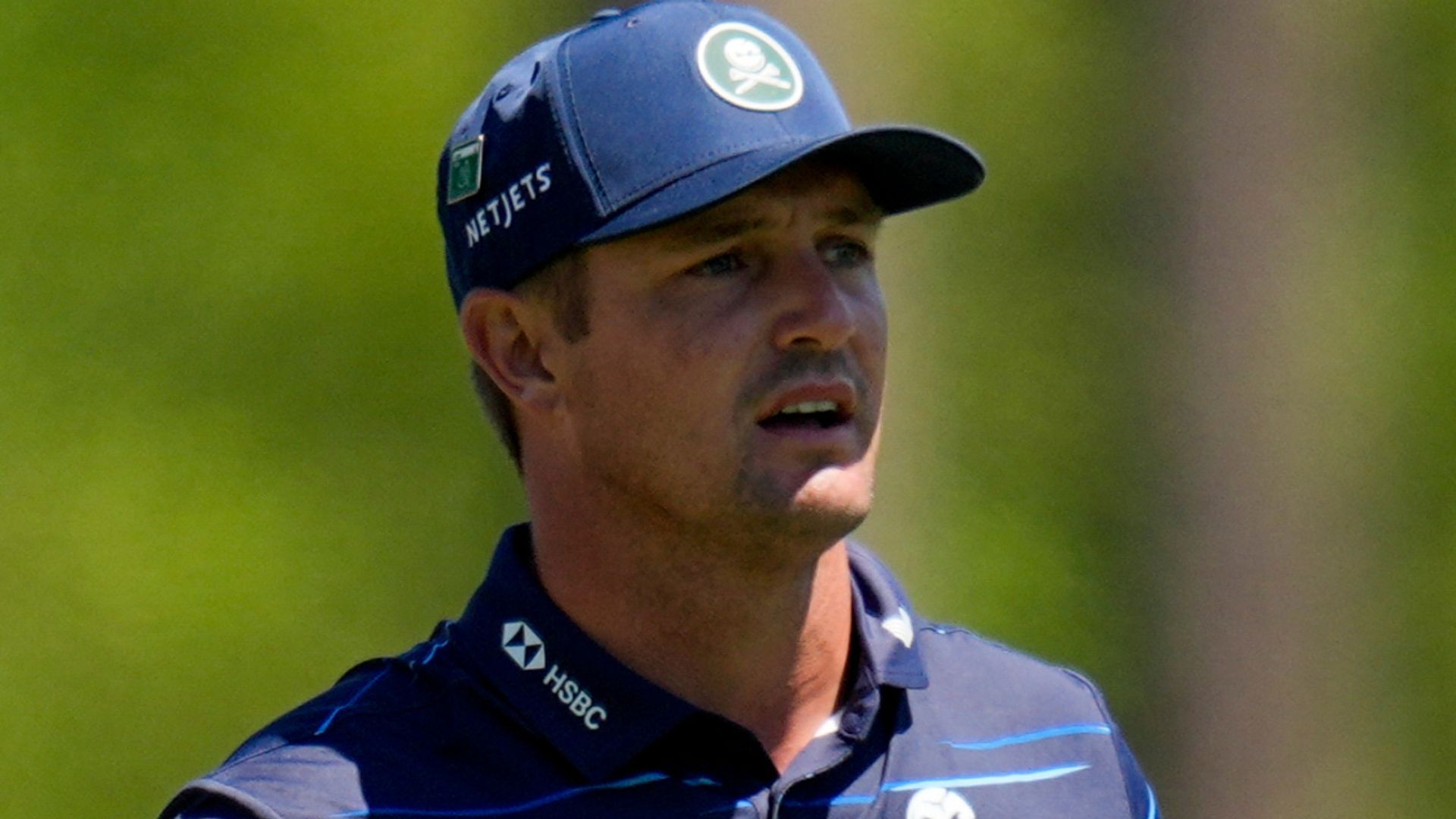
In a surprising declaration, professional golfer Bryson DeChambeau has indicated that he may prioritize growing his YouTube channel over a possible return to the PGA Tour if his current involvement with LIV Golf does not meet expectations. This bold statement underscores a critical juncture in the evolving relationship between professional sports and social media, as athletes increasingly use new platforms to showcase their personalities and engage with fans.
Key takeaways
- DeChambeau may opt for YouTube over returning to the PGA Tour if LIV Golf falters.
- His YouTube channel has attracted significant attention with diverse golf-related content.
- This decision reflects a broader trend of athletes focusing on personal branding and digital reach.
- The uncertain future of LIV Golf raises questions about the paths top players like DeChambeau may take.
- His remarks could alter fan perceptions of traditional tours vis-à-vis emerging platforms.
Context and background
The rise of social media has fundamentally transformed how athletes connect with their fanbases. Bryson DeChambeau, renowned for his distinct approach to golf that marries the principles of physics with an unconventional playing style, has harnessed this trend through his YouTube channel. The channel prominently features golf instruction, player insights, and glimpses into his personal lifestyle, amassing millions of views and enabling him to engage with fans beyond the confines of competitive play.
Historically, professional golfers have focused on established tours like the PGA Tour, long considered the epitome of professional golf excellence. However, the emergence of LIV Golf has introduced new and alternative ways to achieve success, enticing players with lucrative contracts and the appeal of competing in a less traditional framework. DeChambeau's recent comments come at a time when LIV Golf is under scrutiny for its sustainability, particularly regarding future tournaments and player engagement.
A shift in priorities
The significance of DeChambeau's statements resonates deeply within the golf community. His inclination to prioritize his YouTube channel over the PGA Tour indicates a possible shift in mindset among professional athletes. DeChambeau suggests that if LIV Golf struggles, he may decide to devote his energies to building his personal brand and enhancing his digital presence instead of returning to the PGA Tour. Such a decision could redefine how golfers conceptualize their careers and avenues for success.
DeChambeau's perspective highlights the increasing importance of personal platforms in modern sports culture. With over one million subscribers, his YouTube existence underscores the notion that golfers are evolving from traditional tour participants to active content creators. The competitive nature of the LIV Golf series might also compel players to focus on social media as a necessity rather than simply a choice. This shift is crucial for maintaining visibility and relevance in a dynamic industry.
The landscape of professional golf is diversifying significantly. While stars such as Rory McIlroy and Tiger Woods maintain their dedication to the PGA Tour, DeChambeau's willingness to explore alternate avenues might raise fascinating questions about athletes' priorities. His approach is likely to attract younger demographics that prefer engaging with sports figures through streaming channels rather than conventional broadcasts.
In their own words
"If LIV Golf doesn't work out, I see my YouTube channel as a priority. It allows me to connect with fans on a personal level that no tour can offer."
— Bryson DeChambeau
What this means for golfers
The implications of DeChambeau's pivot in focus are significant. For recreational golfers, his journey serves as a timely reminder of the continually evolving nature of the sport. They can take cues from DeChambeau's digital endeavors, exploring avenues for self-promotion, enhancing personal branding, and finding creative ways to share their golfing experiences. This shift encourages amateur players to break free from traditional engagement frameworks by leveraging platforms like YouTube for their personal and professional growth.
Moreover, brands and sponsors could stand to gain from this trend. Golfers with a strong digital following can foster brand loyalty in ways that conventional endorsements may not. Amateurs keen on self-promotion should consider focusing on their online presence, engaging audiences through instructional videos, lifestyle content, or gameplay vlogs for increased visibility.
What's next
As the landscape of professional golf continues to evolve, all eyes will be on DeChambeau's next moves. With concerns surrounding LIV Golf's stability looming, the potential fallout may prompt more players to explore alternative revenue streams, including digital platforms. Upcoming major tournaments will act as a litmus test for how golfers navigate their careers and whether they will meld personal branding strategies with traditional competitive paths.
As golfers grapple with the new complexities of their environment, it may become increasingly essential for them to blend competitive success with personal branding going forward. As the narrative of golf shifts, only time will reveal the lasting impact of DeChambeau's prioritization of YouTube over the PGA Tour and how this choice will shape the future of professional golf.