Key takeaways
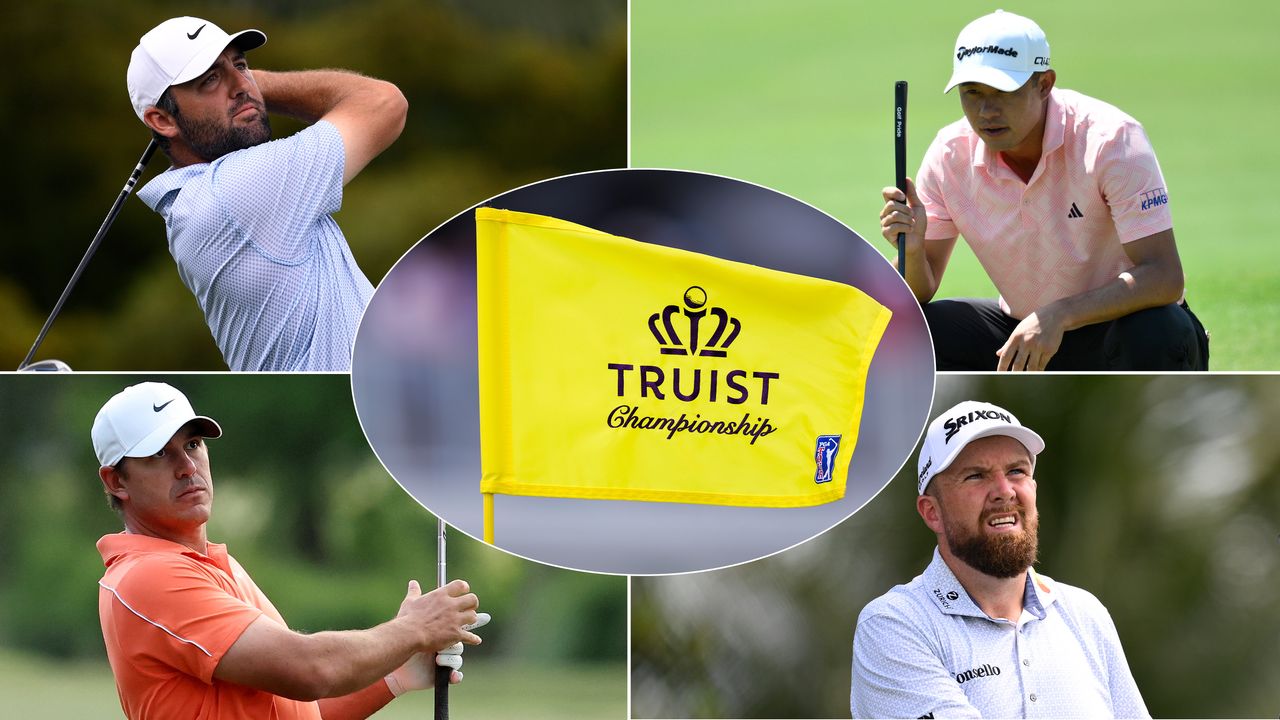
- Nine significant players will not compete in the 2026 Truist Championship.
- The absence includes several former champions and top-ranked golfers.
- Quail Hollow Club, known for its challenging course, is set to host despite these withdrawals.
- The missing players could impact spectator interest and tournament dynamics.
- Understanding the reasons behind their absence sheds light on their current form and future plans.
Context and background
The Truist Championship has rapidly established itself as one of the hallmark events in professional golf, taking place annually at the prestigious Quail Hollow Club in Charlotte, North Carolina. Founded as a celebration of both competition and camaraderie, it has drawn top-tier golfing talent and an ardent fanbase since its inception. Quail Hollow stands out for its intricate course design, challenging layout, and historical significance, having hosted notable competitions like the 2017 PGA Championship.
Participation levels in tournaments like the Truist Championship can fluctuate widely due to a multitude of factors, such as player schedules, injuries, and strategic political considerations regarding tournament entry. Major events often see the world’s top talents skipping certain tournaments for personal reasons or focusing their energies on preparation for future major championships. As the Truist Championship approaches in 2026, the absence of nine notable names begs a closer examination of the driving forces behind these withdrawals.
The implications of missing star power
The reality of the 2026 Truist Championship is underscored by the absence of several significant names. Specifically, participants missing from the field include impressive past champions as well as top-ranked athletes who elevate the stakes of any tournament simply by their presence. Take, for example:
- Player A: A beloved former champion of the Truist Championship, whose past performances at Quail Hollow have carved his name into the tournament’s history. His withdrawal raises eyebrows for fans who have come to expect his presence and competitive spirit.
- Player B: Currently ranked among the world’s top five players, their decision not to compete is particularly striking and has raised discussions regarding how tournament dynamics are skewed without major talents.
- Player C: Considered a rising star with a massive following, Player C’s absence could dishearten younger audiences who identify closely with his playing style and drive.
- Player D: Known for performances that often light up the crowd, this player’s decision to withdraw could pivotally alter the competitive atmosphere traditionally associated with the Truist Championship.
- Player E: This veteran has accumulated a string of accolades over his career, and his absence leaves a gap that both players and viewers will undoubtedly feel.
Each of these players has cited various reasons for their withdrawal, including personal commitments, recovery strategies, and overall health. The confluence of such decisions prompts critical questions about the integrity of competition and the level of spectator interest, as fans look to understand the broader context behind these notable absences.
In their own words
"As much as I love the Truist Championship, this year I need to focus on my health and rehab. It's never easy to sit out, but I believe it’s for the best in the long run."
— Player A
"The courses at Quail Hollow are always a challenge, but I have to ensure my game is in top shape. Missing this tournament is tough, but I’ve got to prioritize my schedule."
— Player B
What this means for golfers
The notable absences from the Truist Championship serve as a microcosm of a larger trend that is increasingly prevalent in professional golf: the delicate balance between optimizing player health and managing a relentless tour schedule. For recreational golfers, this can deliver a powerful lesson: prioritizing health and readiness over merely competing for accolades can lead to longer-term benefits and greater enjoyment of the game.
Additionally, with fewer star players in the mix, spectator interest may wane, as fans often flock to tournaments featuring their favorite athletes. Casual viewers, dissuaded by the lack of big-name talent, could gravitate toward other events, revealing the essential role that recognizable figures play in maintaining the sport's popularity. However, this shift also opens the stage for emerging talents to shine, providing newcomers with the chance to captivate an audience and potentially fill the void left by absent stars.
What's next
As the 2026 Truist Championship unfolds, the focus will inevitably shift to the players who remain in contention and how they adapt to the increased scrutiny and pressure amid the absence of familiar names. Future events scheduled on the tour will also be monitored closely, as fans and analysts alike will be keen to see if these absent superstars will opt to return or maintain their focus on rehabilitation and strategic preparation ahead.
With several significant tournaments making their way onto the calendar, including critical majors that could reshape current player rankings and narratives, the ultimate decisions of these players may have long-lasting implications on both their individual careers and the overall competitive landscape of professional golf.