Introduction
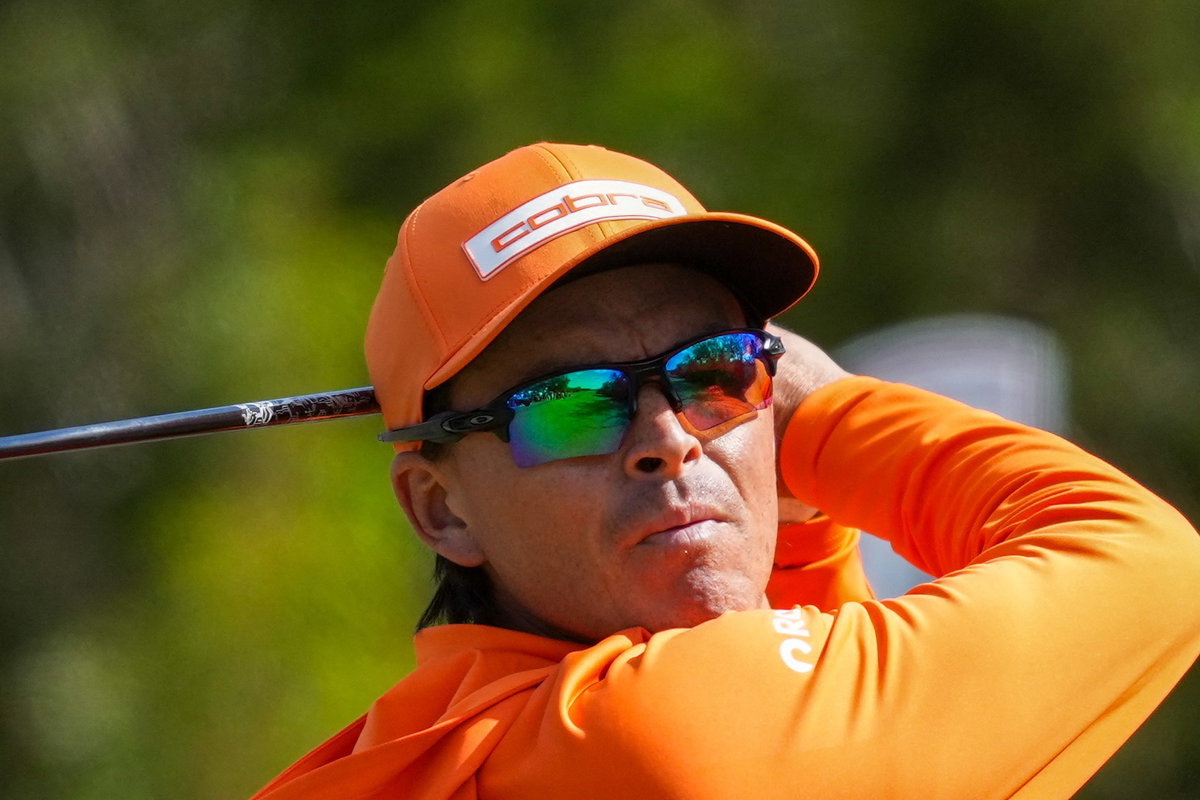
The landscape of professional golf is undergoing a seismic shift, primarily fueled by the emergence of LIV Golf, a league enticing players with lucrative offers and fresh tournament formats. Recently, Rickie Fowler shared his experiences regarding this evolving dynamic, emphasizing the tough choices golfers now face between loyalty to the established PGA Tour and the alluring prospects offered by LIV Golf.
Key takeaways
- Rickie Fowler revealed LIV Golf's attempts to lure him into their ranks.
- A surprise visit from PGA Tour commissioner Jay Monahan aimed to rally support for the traditional tour.
- Thomas Pieters expressed his willingness to retire if financial backing from LIV Golf were withdrawn.
- The rivalry between LIV Golf and the PGA Tour is significantly reshaping the structure and culture of professional golf.
Context and background
The inception of LIV Golf has disrupted the established order of professional golf with its unprecedented financial backing and innovative approach. This new league has aggressively pursued top talent from the PGA Tour by offering substantial contracts and prize money that are unmatched in the sport’s history. By attracting high-profile golfers, LIV Golf raises critical questions around player loyalty and the evolving landscape of competitive golf.
Historically, there have been challenges to the PGA Tour's supremacy, notably the World Golf Tour in the 1990s, which, despite its good intentions, failed to maintain its momentum. In contrast, LIV Golf's financial clout enables it to secure contracts that are game-changers for players, leading to a reevaluation of commitments to established tours. This shift reflects a broader transformation, pushing golfers to reconsider not only the financial implications of their choices but also their professional legacies.
The new battleground: Players caught in the crossfire
Fowler's candid remarks shed light on the dilemmas professional golfers now face in this competitive climate. According to Fowler, LIV Golf's recruitment strategy isn't merely about financial incentives; it also revolves around creating flexibility within tournament structures that appeal to elite players seeking a balance between earnings and lifestyle.
“It’s an interesting time in professional golf; there’s a lot going on, and for players, it’s essential to consider not just the money but the legacy you build in the sport.”
— Rickie Fowler
Fowler’s statement strikes at the heart of a critical dilemma that players confront: how to balance enticing financial offers with the rich history and recognition of competing on the PGA Tour. His hesitance, juxtaposed with Thomas Pieters’ candid admission of contemplating retirement should LIV's financial backing wane, highlights the serious implications LIV Golf has for players’ job security and the integrity of competition.
“It’s no secret that the financial backing can alter perceptions of job security,” Pieters remarked. The increasing allure of guaranteed money stands in stark contrast to the PGA Tour's performance-based earnings model, creating a precarious environment for players who must decide their future in the sport.
The rivalry has spurred communication from the PGA Tour leadership, with Jay Monahan's surprise visit to reassure players of their worth and the importance of tradition within the sport. As the battle between LIV Golf and the PGA Tour intensifies, the stakes for players have never been higher, affecting not only their careers but also the future structure of professional golf.
In their own words
“I was ready to retire; if the backing was pulled, I didn't know where that left me as a player.”
— Thomas Pieters
What this means for golfers
The ongoing competition between LIV Golf and the PGA Tour has far-reaching implications for recreational golfers. As professional players navigate these treacherous waters, amateurs can glean valuable insights about personal brand management and competitive strategy. Learning from the professional game, golfers at all levels should focus on building their skills while considering how brand alignment with reputable, traditional companies could influence their own golfing journeys.
Moreover, aspiring golfers may consider investing in equipment from established brands known for their commitment to traditional golfing values. As the professional landscape evolves, understanding what sustains diverse playing opportunities will guide consumer choices in the equipment marketplace.
What's next
Looking ahead, the PGA Tour is expected to make strategic adjustments in response to LIV Golf's recruitment efforts—altering tournament formats and enhancing prize structures to maintain player interest and loyalty. Upcoming events may showcase significant shifts in player participation as top golfers weigh their commitments against the backdrop of financial realities.
This unfolding narrative in professional golf is set to transform the competitive landscape dramatically, influencing how aspiring and seasoned golfers approach their careers. As both LIV Golf and the PGA Tour continue to evolve and compete, fans, players, and industry observers will closely watch how this rivalry shapes the future of the sport.