Introduction
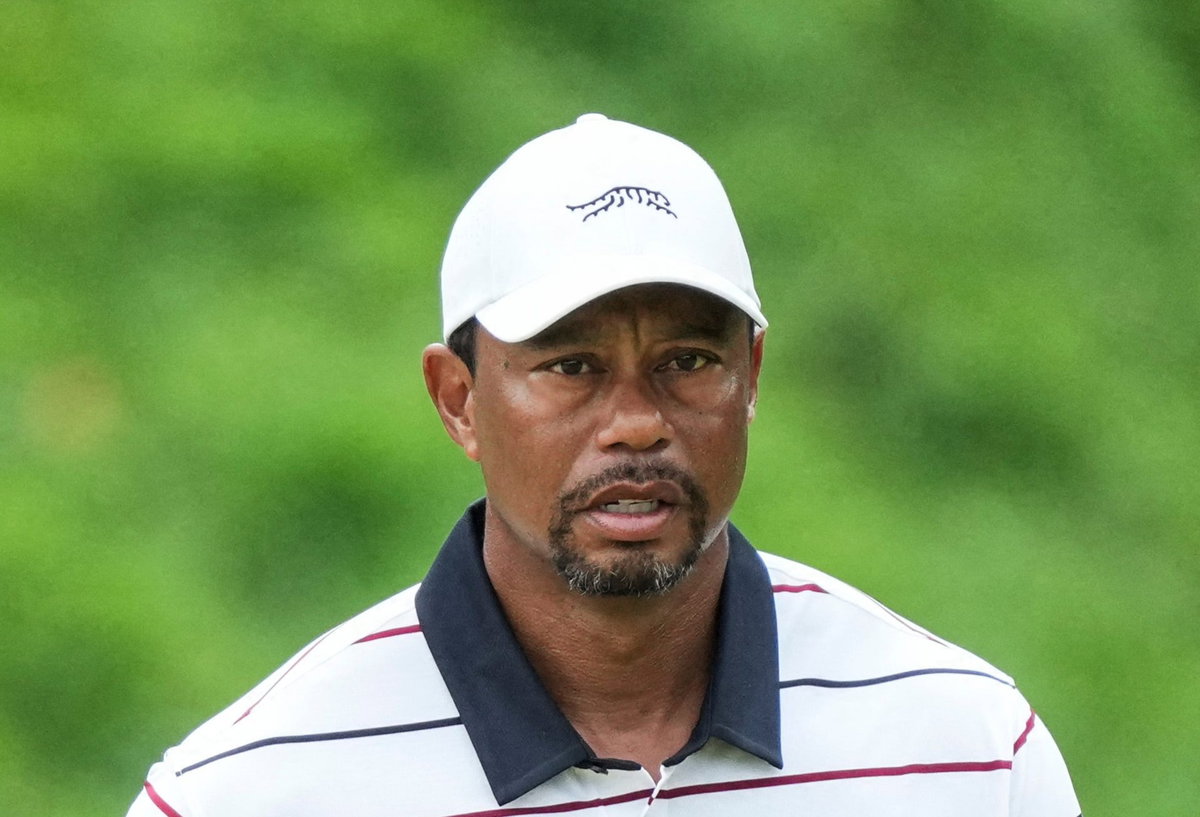
Tiger Woods, the golfing legend whose name is synonymous with the sport, is facing increasing uncertainty regarding his return to professional golf. Recent updates from U.S. Golf Association (USGA) chief executive Mike Whan suggest that Woods is unlikely to participate in both the U.S. Open and the U.S. Senior Open this year, leaving fans and analysts puzzled about the future of his storied career.
Key takeaways
- Mike Whan, USGA CEO, indicates that Tiger Woods is unlikely to play in the upcoming U.S. Open and U.S. Senior Open.
- This news raises questions about Woods' recovery and fitness levels following his serious injuries.
- The absence of Woods from these major tournaments would mark yet another significant moment in his ongoing comeback journey.
- Whan expressed surprise at the possibility of Woods playing, suggesting a lack of confidence in his current readiness.
- Fans and professionals remain hopeful for Woods’ eventual return to competitive golf despite the setbacks.
Context and background
The journey of Tiger Woods since his car accident in February 2021 has captured the world's attention, as the golfer has battled with significant leg injuries that have kept him off the course for an extended period. Woods underwent multiple surgeries and has taken a cautious approach to his recovery process. Historically, Woods has been known for his incredible resilience, having returned from back surgeries and personal tribulations to claim numerous championships. However, as time goes on, fans and analysts are increasingly concerned that Woods may not return to form or even play in critical major tournaments.
The U.S. Open, historically regarded as one of the four major championships in professional golf, poses a significant challenge for any player coming back from injury, with its demanding course conditions. Woods has claimed three U.S. Open titles during his illustrious career, while the U.S. Senior Open represents a unique opportunity for senior athletes like Woods to compete against their peers, given the context of his accomplishments.
The challenges of coming back
Mike Whan’s candid remarks regarding Woods' potential absence from major tournaments reflect a growing concern. In his statements, he indicated, "I'd be super surprised if Tiger plays in the U.S. Open this year." This pessimistic assessment is indicative of Woods' ongoing struggle to regain his competitive edge after such a significant injury.
Woods made a highly publicized return to competitive golf in 2022, participating in The Masters after a long hiatus. Although he made headlines by managing to play, the results highlighted the harsh realities of competitive professional golf post-recovery. Detractors have noted that he struggled significantly, finishing low on the leaderboard, raising questions about his overall physical health and capacity to endure the rigors of a full tournament.
The challenges of returning to the professional circuit are further compounded by the intensity of competition at this level. Younger players continue to make strides in their careers, as seen in rising stars securing their spots on PGA Tours and other renowned platforms. The demands of the game—both physically and mentally—make comebacks for injured players daunting.
In their own words
"I'd be super surprised if Tiger plays in the U.S. Open this year. His health is paramount, and he has to evaluate his fitness before making any decisions."
— Mike Whan
What this means for golfers
The news surrounding Tiger Woods’ potential absence in upcoming tournaments provides a crucial lesson for golfers of all levels: the importance of health and recovery in sports cannot be overstated. Recreational players should take heed of Woods' journey, understanding that the mental and physical challenges faced in rehabilitation are serious. The road to recovery can be long, and it is essential to prioritize health over competitive urges.
When considering golf equipment, the focus should also pivot toward injury-prevention technologies, such as ergonomic grips and clubs that reduce strain during swings. This can help minimize the risk of injury while playing, regardless of skill level.
What's next
As the summer approaches and major tournaments like the U.S. Open and U.S. Senior Open are on the horizon, golf fans are left to wonder about the implications of Woods' absence. The sporting world will continue to monitor his recovery closely, as any announcement regarding his participation could influence ratings and media coverage surrounding these events.
Looking ahead, Woods has a long and challenging road ahead if he aims to return to competitive play. However, his legacy in the sport ensures that his every move will be scrutinized and celebrated by enthusiasts around the world. Major tournaments will proceed, and younger players will compete to fill the gaps left by such an iconic figure. Regardless of Woods' choices moving forward, his impact on golf and the sports community will remain profound.