Key takeaways
- Titleist releases the GTS300, its second mini driver in 18 months.
- Features a larger footprint aimed at enhanced stability and performance.
- New technology incorporates improved materials for better weight distribution.
- Expected to revolutionize approach for players seeking versatility between driver and fairway wood.
- Debuting with immediate presence in professional tour bags this week.
Context and background
The golf equipment landscape is a constantly evolving arena where manufacturers compete for innovation and player preference. In recent years, mini drivers have gained traction among professional and amateur golfers alike, primarily because of their unique combination of distance off the tee and control in tight lies. Titleist, historically a leader in driver technology, first ventured into the mini driver market with its introduction of the GTS200, which was well-received due to its groundbreaking utility on the course.
The emergence of the mini driver segment has challenged conventional driver norms. Data from players using mini drivers show that many find improved accuracy and easier handling compared to standard drivers, particularly in varying conditions. With the GTS300, Titleist seems poised to capitalize on this shift and further enhance its competitive edge within a burgeoning market segment.
A new contender enters the ring: The GTS300
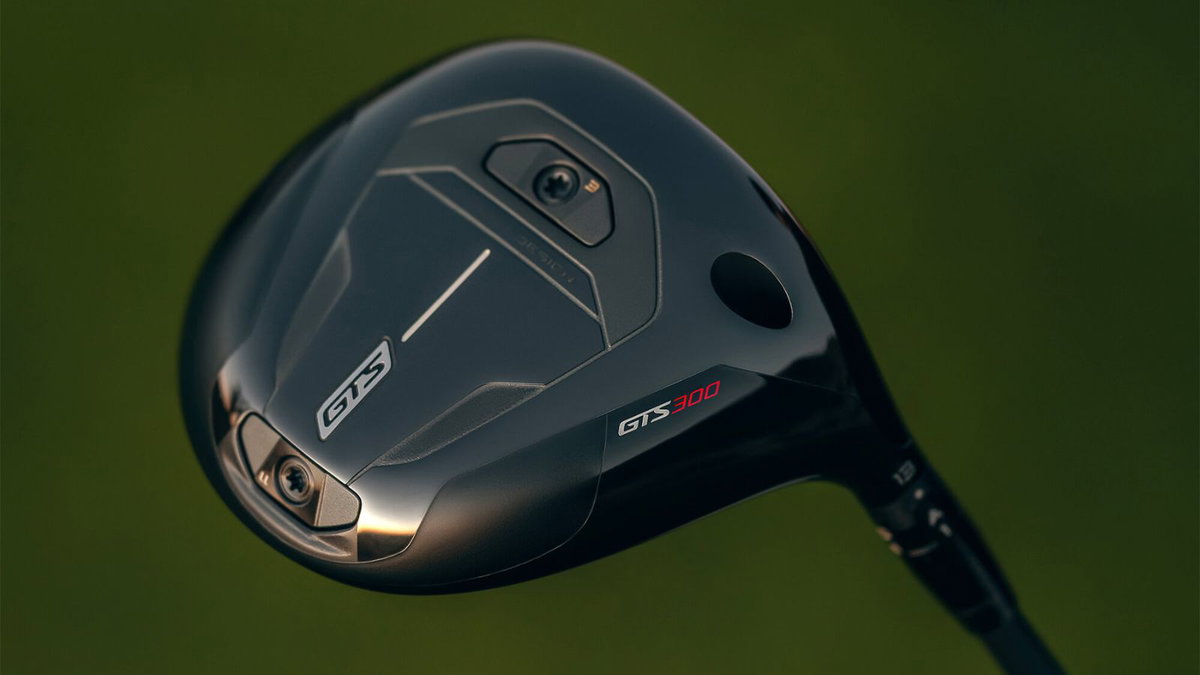
Titleist's GTS300 has quickly turned heads in the golf community, especially with its launch coinciding with key tournaments this week. The GTS300 features a larger footprint than its predecessor, a deliberate design choice aimed at providing golfers with increased stability and better performance during swing execution. This innovation positions the GTS300 as a versatile option, appealing to a broad spectrum of golfers, from recreational players to seasoned professionals.
At the heart of the GTS300's design is the incorporation of advanced materials that optimize the weight distribution throughout the club. This approach not only enhances swing speed but also promotes higher launch angles—a major contributing factor to distance. The head design strategically lowers the center of gravity, which allows for improved forgiveness on mis-hits, a regular concern for many golfers who find drivers challenging to control. By marrying these technological advancements with user-friendly design choices, the GTS300 is set to provide a compelling alternative to traditional drivers and fairway woods.
The mini driver space already sports some heavyweights, but the entry of the GTS300 raises the stakes. Titleist’s deft combination of innovation and tradition is evident in how they handled feedback from golfers using the previous model, leading to numerous adjustments aimed at enhancing playability and overall performance.
In their own words
"The GTS300 is all about giving players the confidence to step up on any tee box. We've listened to what they want—distance, stability, and versatility—then delivered on those fronts."
— Titleist Product Manager
"I've been testing the GTS300 all week, and I can definitely feel the difference. The stability is incredible, and it has helped improve my accuracy without sacrificing distance."
— Professional Golfer
What this means for golfers
The arrival of the GTS300 mini driver offers numerous practical implications for golfers at all skill levels. For recreational players, this means having access to technology that could significantly enhance their game. The balance of distance and control designed into the GTS300 can potentially help reduce scores and improve course management, particularly for those who struggle with full-length drivers.
As players contemplate purchasing new equipment, trying a mini driver like the GTS300 could be an excellent option worth considering. When testing clubs, golfers should look for the combination of a comfortable feel, favorable launch conditions, and the desired trajectory that best suits their playing style. Experts suggest focusing on personal preference—whether that means sticking to traditional drivers or exploring the innovative design of mini drivers.
What's next
Looking ahead, Titleist's GTS300 is expected to create ripples throughout upcoming tournaments as it gains traction in professional bags. Observers will be keen to see how players adapt to this new technology in high-stakes situations—whether it can help establish consistency in performance under pressure. The ongoing mini driver wars signify a fundamental shift in equipment selection for many players, and the attention generated by the GTS300 will likely encourage other manufacturers to respond with their offerings, fostering a more dynamic market environment.
As Titleist continues to innovate, golf fans should keep an eye out not only for potential improvements in equipment but also for trends that might shape future designs. Will more manufacturers explore the mini driver category? And will players embrace the versatility these clubs present? Only time will tell, but the GTS300 marks a notable chapter in this ongoing story.