Introduction
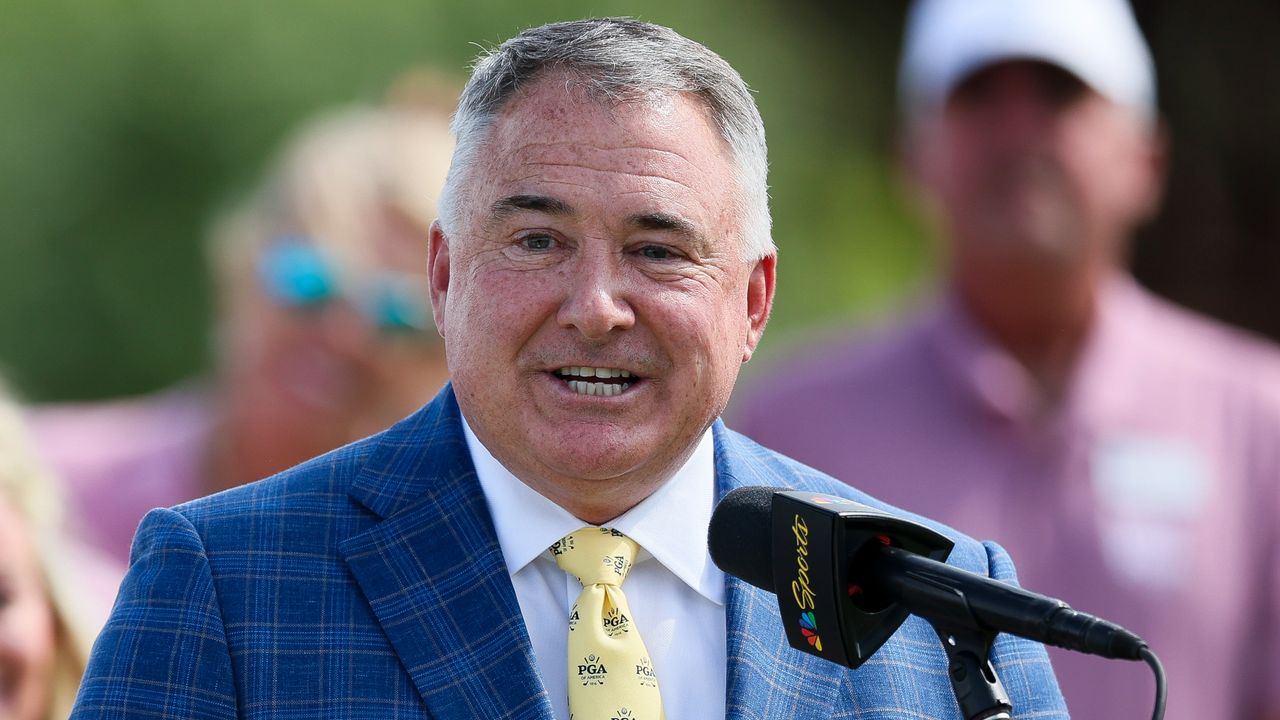
The 2026 PGA Championship at Aronimink has drawn massive attention, but one noticeable absence has stirred conversations in the golf community: Don Rea, the President of the PGA of America, is not in attendance. This situation raises questions about his leadership amidst recent controversies surrounding his presidency, particularly concerning inclusivity and governance within the organization.
Key takeaways
- Don Rea, President of the PGA of America, is absent from the 2026 PGA Championship.
- His leadership has faced scrutiny over issues of inclusivity within the PGA.
- This absence may signal rising tensions within the organization and its members.
- Rea’s presidency has introduced policies aimed at modernizing the PGA, but has received mixed responses.
- The impact of his leadership on future tournaments, including potential changes in policies, remains to be seen.
Context and background
The PGA of America, established over a century ago in 1916, has historically been a cornerstone of American golf. However, in recent years, the organization has grappled with evolving expectations from the golfing community, particularly around issues of diversity, equality, and transparency. In 2022, Don Rea was elected as President, championing a vision for modernization, including expanding opportunities for underrepresented communities in golf.
Despite early promises of reform, Rea's presidency has not been without controversy. The organization has faced backlash over perceived slow progress regarding inclusivity initiatives, leading to a divide in opinion among members and fans alike. As tournaments like the PGA Championship amplify the need for representation, Rea's retreat during such a pivotal event raises eyebrows and ignites debate about his effectiveness as a leader.
Controversies surround Rea’s presidency
Don Rea's leadership style has faced significant criticism, particularly regarding the implementation of new policies and their reception within the golfing community. Many argue that while the ambitions of promoting diversification and openness are commendable, Rea's plans lack the depth and urgency needed to truly transform the PGA into a more inclusive organization.
With studies showing that diversity in sports leads to higher participation rates and broader engagement, Rea's failure to adequately address representation within the PGA’s decision-making bodies has been a point of contention. Numbers indicate that participation from minority groups in golf remains disproportionately low compared to other sports, making the push for diversity in leadership positions crucial.
The absence of Rea during the prestigious PGA Championship—an event meant to symbolize excellence in golf—is seen as a critical moment. It is the first major championship held at Aronimink—and without Rea present, it could be interpreted as a lack of faith in his mandate from the PGA members.
In their own words
"Rea has a lot on his plate, but navigating the challenges of today’s golf landscape requires bold action and transparent leadership. His absence at the Championship raises doubts about his commitment to progress."
— Golf Analyst
"As we gather for one of the year’s most important tournaments, leadership presence is vital. Rea's absence might send a message about internal conflicts within the PGA of America."
— PGA Member
What this means for golfers
The absence of Don Rea at such a landmark tournament serves as a case study for current and aspiring golfers. It highlights the importance of leadership accountability within sports organizations. Recreational golfers can learn from this scenario by understanding that the path to inclusivity and representation is not a straightforward journey; it involves navigating complexities that require strong, active engagement from leaders.
Additionally, it is crucial for golfers to advocate for change from the ground up. Initiatives aimed at reaching diverse demographics can only thrive if they are nurtured by effective and present leadership. Golfers and fans are encouraged to voice their opinions and push for reforms that encourage involvement at all levels of the sport.
What’s next
Looking ahead, the PGA of America must address its internal dynamics and decide how it wishes to project itself to the broader public. The reaction to Rea's absence is likely to fuel discussions on the effectiveness of leadership within sports organizations. As conversations around equity and diversity escalate, the PGA will need to either reaffirm its commitment to progressive policies or face increased scrutiny as formidable challenges loom ahead.
With looming tournaments such as the 2026 Ryder Cup scheduled in Italy, their approach to inclusivity and representation must be front and center. Whether or not Rea will continue to steer these initiatives effectively might dictate the PGA's reputation in the years to come, making the next few months pivotal for the direction of the organization.