Introduction
The world of golf is meticulous, where even the smallest physical missteps can lead to inconsistency on the course. Among these issues, improper posture wreaks havoc on a golfer's ability to make a consistent, centered strike with the ball. Fortunately, with expert insights on how to identify and correct this common problem, players can elevate their game and see immediate improvements in their performance.
Key takeaways
- Improper posture hinders consistent strikes, affecting shot accuracy.
- Adjustments in stance can enhance stability and swing mechanics.
- Expert tips can help golfers of all levels refine their posture on the course.
- Physical fitness plays a crucial role in maintaining proper posture during play.
- Understanding the anatomy of a successful swing can provide insights to avoid posture mistakes.
Context and background
Posture plays an essential role in the mechanics of a golf swing. Historically, golfers have overlooked the importance of their stance, often focusing more on swing tempo and club selection rather than how their body aligns throughout the motion. In fact, studies show that poor posture is a common ailment among amateur golfers, leading to inconsistent performance. A centered ball strike is critical for accuracy and distance, underscoring the need for proper posture to align the body. According to a survey of over 1,000 golfers, 67% reported postural issues impacting their game negatively.
Understanding the crucial role of posture
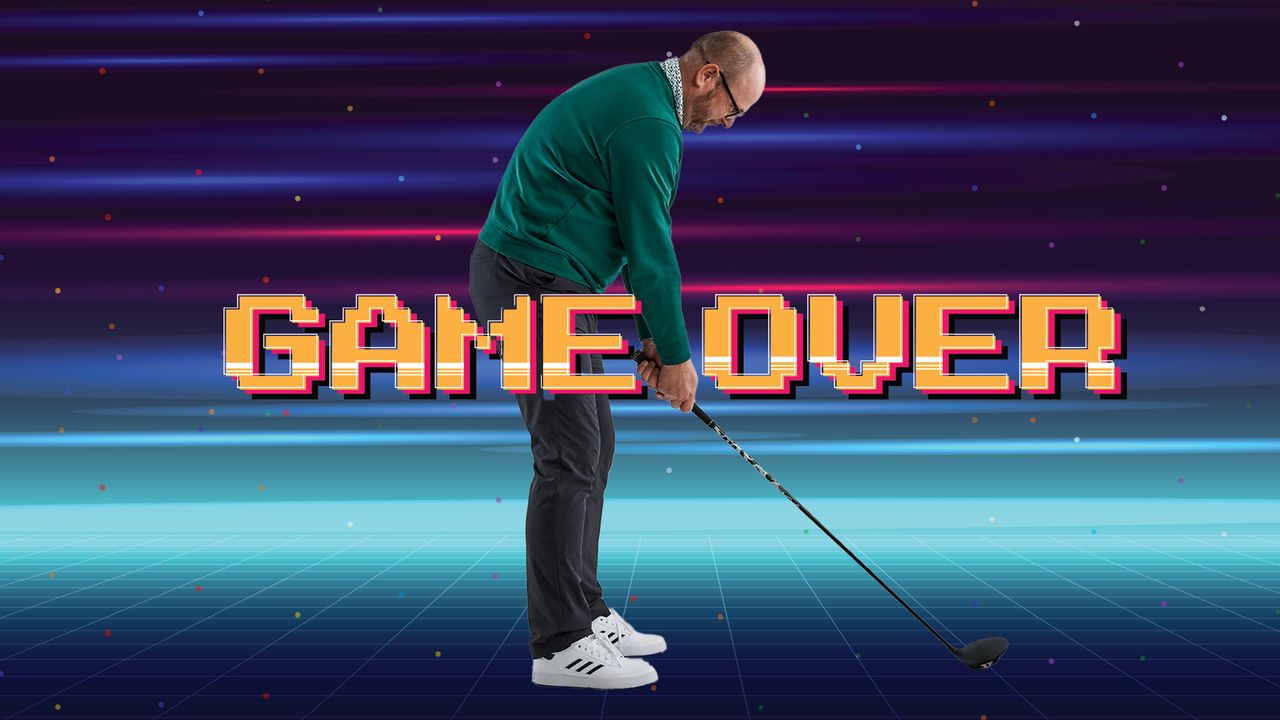
To recognize how proper posture influences a golfer's ability to strike the ball accurately, we must delve into the mechanics involved in a swing. When a golfer stands with uneven weight distribution or incorrect body alignment, it affects the entire swing path. Ideally, a golfer's weight should be balanced between the balls of their feet and their heels, allowing for maximum stability and mobility during the swing motion.
Statistics indicate that golfers with better posture tend to make more centered strikes. Data gathered over professional tours highlights that players scoring within the top 10 consistently display impeccable posture throughout their swings — they establish a strong foundation that helps them generate power and control. For instance, renowned players like Rory McIlroy and Tiger Woods showcase typical elements of solid posture, which includes a slight bend in the knees, a straight spine, and optimal alignment with the target.
In their own words
"Posture isn't just about how you look at address; it’s the foundation of your entire swing. When my posture is solid, everything else tends to fall into place."
— Rory McIlroy
"I have spent countless hours refining my posture and set-up. It’s the subtle things that make a big difference in performance on the course."
— Tiger Woods
What this means for golfers
For both recreational and competitive golfers, understanding the significant impacts of posture can have a profound effect on their game. Here are practical tips to help identify and correct poor posture:
- Engage in physical fitness: Strengthening core muscles enhances both stability and endurance, crucial for maintaining proper posture throughout a round.
- Practice regularly: Dedicate time on the range to focus specifically on your stance. Work on weight distribution and ensure your feet are shoulder-width apart.
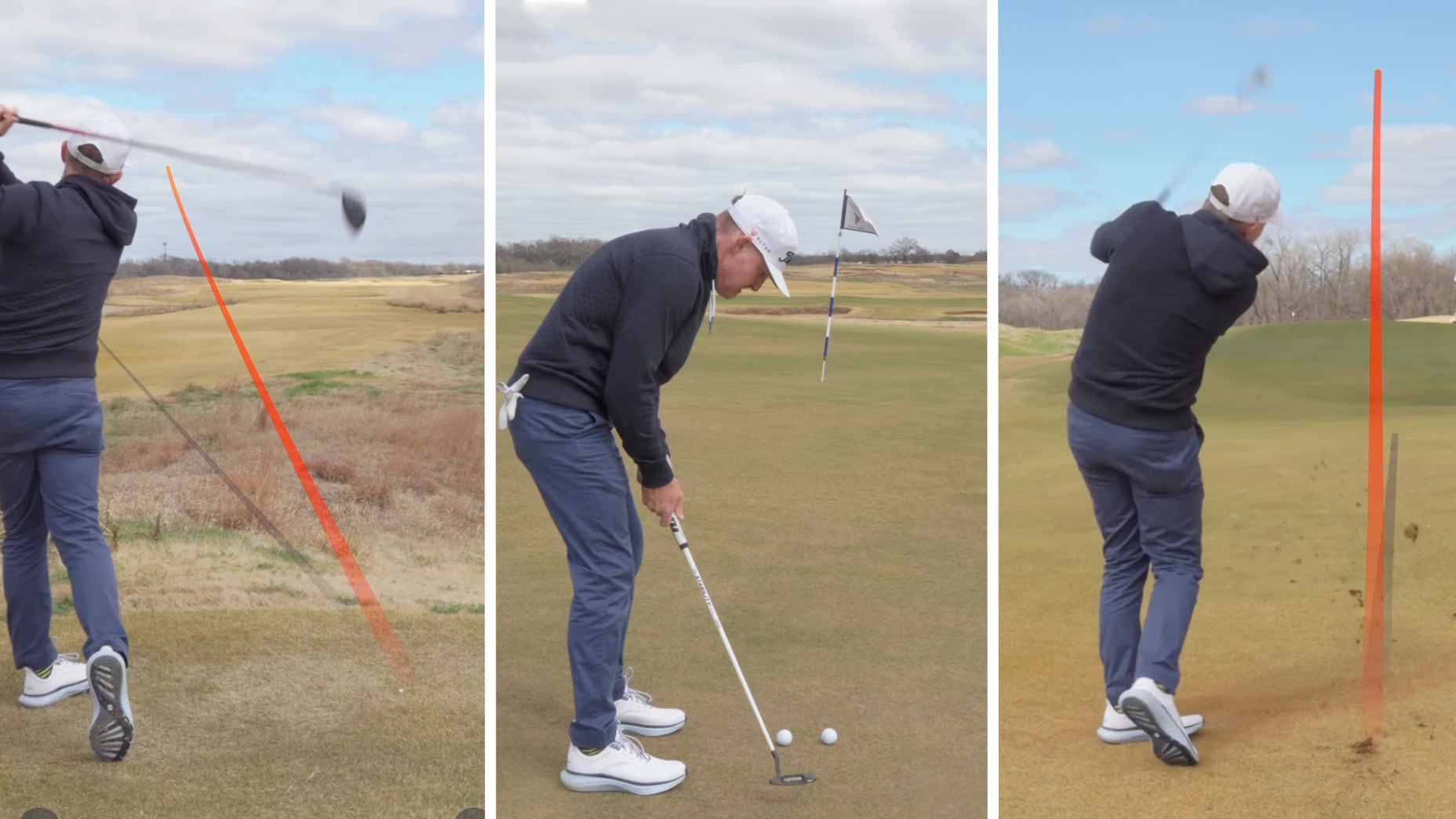
- Video analysis: Use video tools to review your posture during practice swings. Identify any weaknesses or deviations to make adjustments accordingly.
- Seek professional guidance: Consider working with a golf instructor who can provide tailored feedback and exercises to refine your posture.
What's next
As golf season progresses, the opportunity for golfers to enhance their skills is abundant. Local tournaments, clinics, and workshops focused on swing mechanics and posture will be readily available. Golfers eager to fix their posture should seize the moment to participate in these events and make posture a key focus area in their training. The results promise not just a better swing, but a transformative approach to the entire game.