Introduction
When it comes to mastering the greens, the simplest changes often yield the most significant improvements. One such adjustment focuses on how golfers perceive the hole, a critical aspect that can dramatically enhance fitting alignment during putting. Recent insights from a leading golf instructor reveal that modifications in eye position and head rotation can lead to greater consistency and accuracy, transforming the way golfers approach their short game.
Key takeaways
- Eye position plays a crucial role in putting alignment and consistency.
- Adjusting head rotation can significantly impact your perception and stroke mechanics.
- Small changes in stance and visual focus can enhance performance on the greens.
- Understanding your alignment from a new perspective can help identify weaknesses in your game.
- Making these adjustments is accessible for golfers of all skill levels.
Context and background
Putting is often regarded as the most crucial yet underappreciated aspect of golf. Historical data shows that up to 40% of a golfer's strokes can occur on the putting green, indicating the importance of refining skills in this area. In tournaments, players who can maintain their concentration and accuracy under pressure often emerge victorious, highlighting the rugged competitive advantages that come from effective putting skills.
According to extensive studies and statistics from the PGA Tour, the average putting statistic tends to correlate closely with overall success. A golfer's average putts per round often serves as a bellwether for their performance—among the elite, averages hover around 28-30 putts per round. The critical question, therefore, is how can golfers improve their putting techniques and strategies? The answer lies in understanding the mechanics behind alignment and visual focus while putting.
Revisiting the fundamental mechanics of alignment
The art of putting extends far beyond merely stroking the ball; it encompasses an intricate blend of physical and psychological factors. A top golf instructor has dissected these elements, emphasizing that eye position and head rotation are paramount in achieving effective alignment.
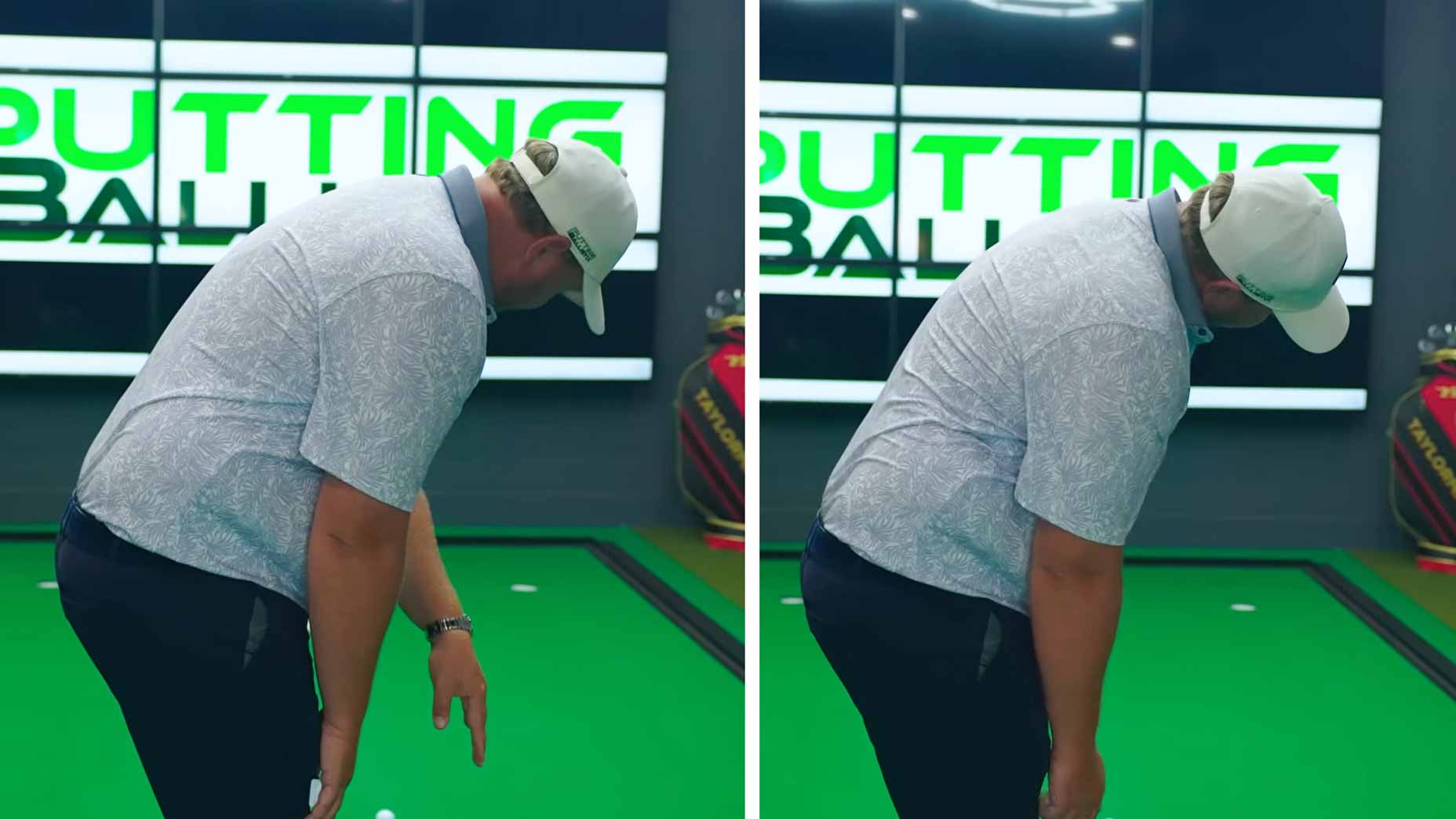
Through field tests and practical demonstrations, this expert highlights that many golfers tend to overlook their natural tendencies, resulting in suboptimal performance on the green. The misconception that merely getting in line with the hole is enough can lead to misalignment. Instead, players can benefit from repositioning their eyes and adjusting their head tilt to achieve better sightlines and alignment.
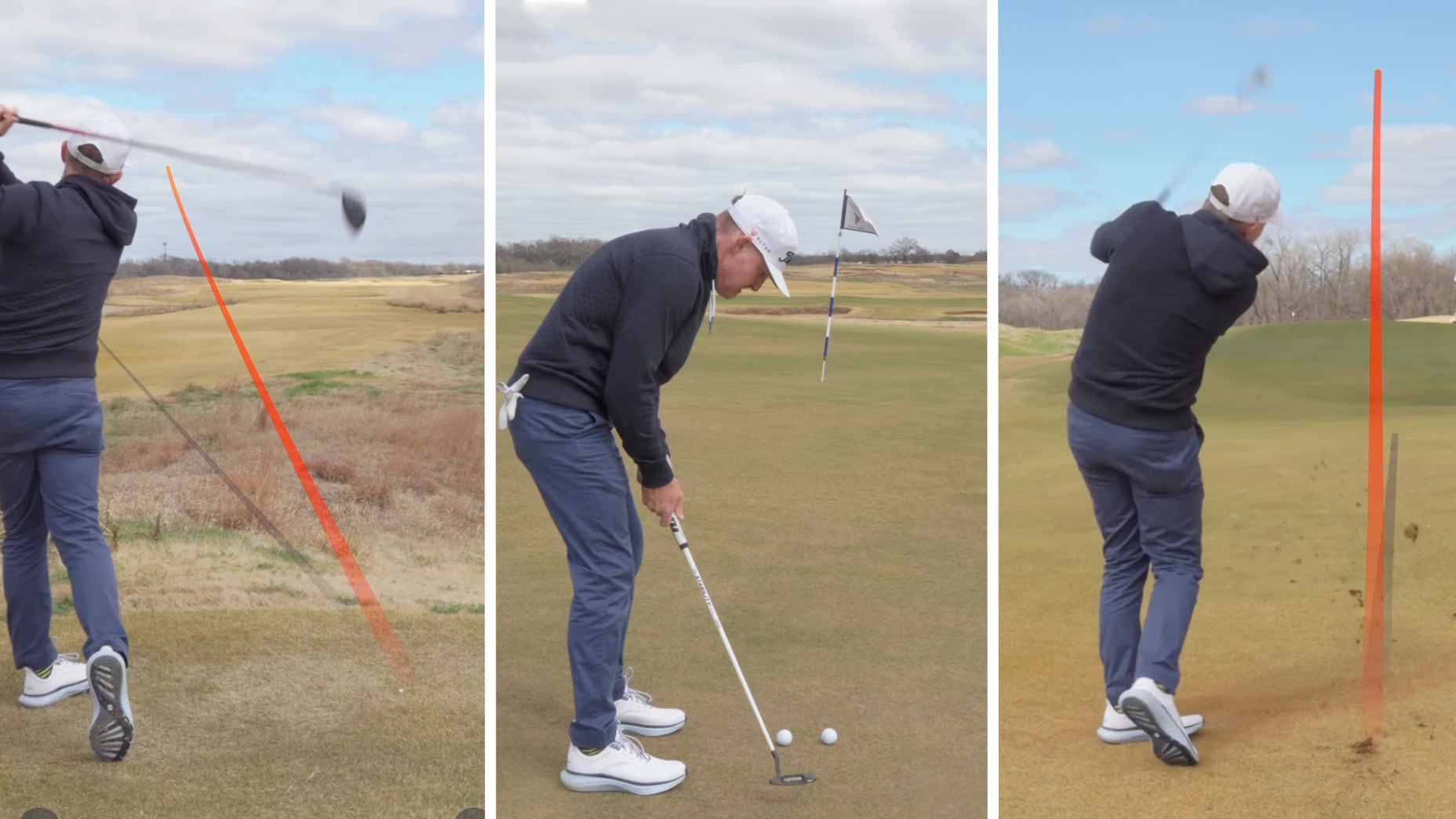
For instance, a golfer's eye position should ideally be over the ball, allowing for optimal visualization of the hole. This positioning creates a direct focus point that can guide the stroke, enabling more precise targeting. Furthermore, incorporating a slight head rotation can allow for adjustments in perception, aiding in consistency.
The nuances of body mechanics play a substantial role here. A golfer might not notice how a slight misalignment in eye and head position can alter their stroke sequence. By applying the instructor's techniques, golfers can better visualize their line to the hole and improve their overall execution. Statistics indicate that improved visual alignment contributes to a 10-20% increase in stickiness on short putts—an impressive feat that can turn would-be missed opportunities into successful conversions.
In their own words
"Changing how you view the hole can be a game-changer. Often, golfers don’t realize how much their eye position affects their stroke. This small shift can lead to big improvements on the green."
— Top Golf Instructor
"Alignment isn’t just about where your feet are pointing. It’s about where your eyes are trained to look. You have to visualize the putt clear as day in your mind before you even take a stroke."
— Professional Golfer
What this means for golfers
The insights derived from modern teaching methods can benefit recreational golfers and seasoned veterans alike. Golfers are encouraged to incorporate the teachings of eye position and head orientation adjustments into their practice routine. For beginners, these techniques provide a solid foundation for developing effective putting mechanics. For more experienced players, revisiting the fundamental aspects of alignment can uncover flaws that may have gone unnoticed.
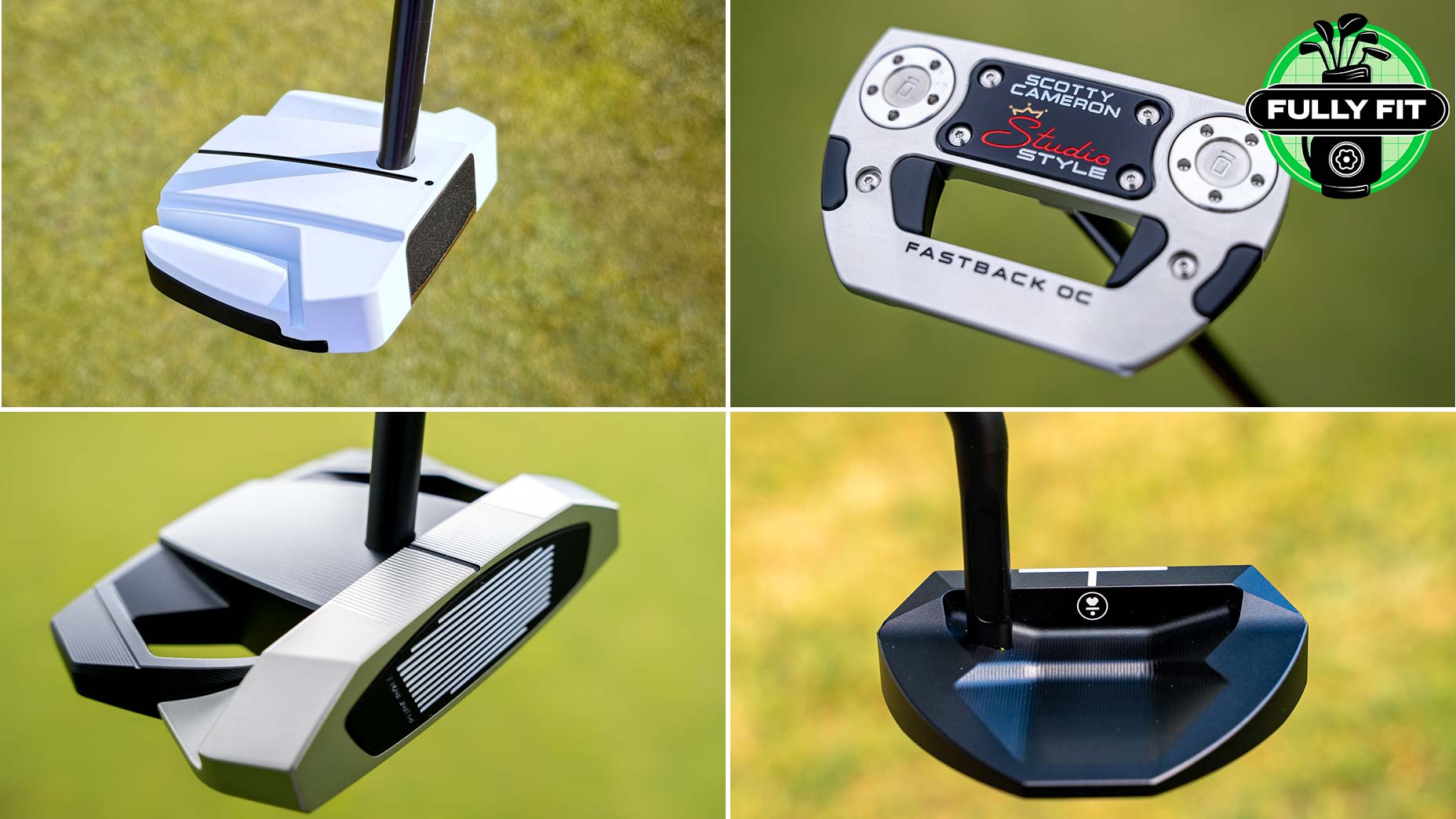
In terms of equipment, golfers might also want to consider the use of alignment aids and specialized training tools. These can be helpful in visually reinforcing the idea of appropriate head and eye positioning, leading to confident ball striking.
What's next
Moreover, golf instructors and coaches are likely to integrate these innovative strategies into training camps and workshops, highlighting the importance of alignment from both a theoretical and practical perspective. All eyes will be on the greens, as golfers enhance their techniques and sharpen their skills in pursuit of better performance.