

Introduction
Golf is often as much about feel as it is about technical skills. Many players struggle with the fundamentals of their swing, but a simple adjustment can make a world of difference. Dr. Alison Curdt, a GOLF Top 100 Teacher, is shedding light on a straightforward drill designed to help golfers maintain the proper plane throughout their swings, ultimately improving iron play and consistency on the course.
Key takeaways
- Dr. Alison Curdt offers a practical drill to maintain club plane.
- Keeping the club on plane can enhance performance and accuracy.
- This technique can be beneficial for golfers of all skill levels.
- Adopting this drill can lead to better ball striking and lower scores.
- Consistency in swing mechanics is key for better iron play.
Context and background
Understanding the swing plane is critical for every golfer. The swing path is the direction the clubhead moves during the swing, and it significantly affects the clubface angle at impact, which in turn influences ball flight. Historical records indicate that players who maintain a proper swing plane see improved consistency in their shots. For instance, PGA Tour professionals typically achieve a more stable club path, leading to fewer errant shots. With statistics revealing that mishits are often a result of poor swing mechanics, any drill or adjustment that can help golfers strike the ball better is invaluable.
Dr. Curdt's revolutionary approach to swing drills
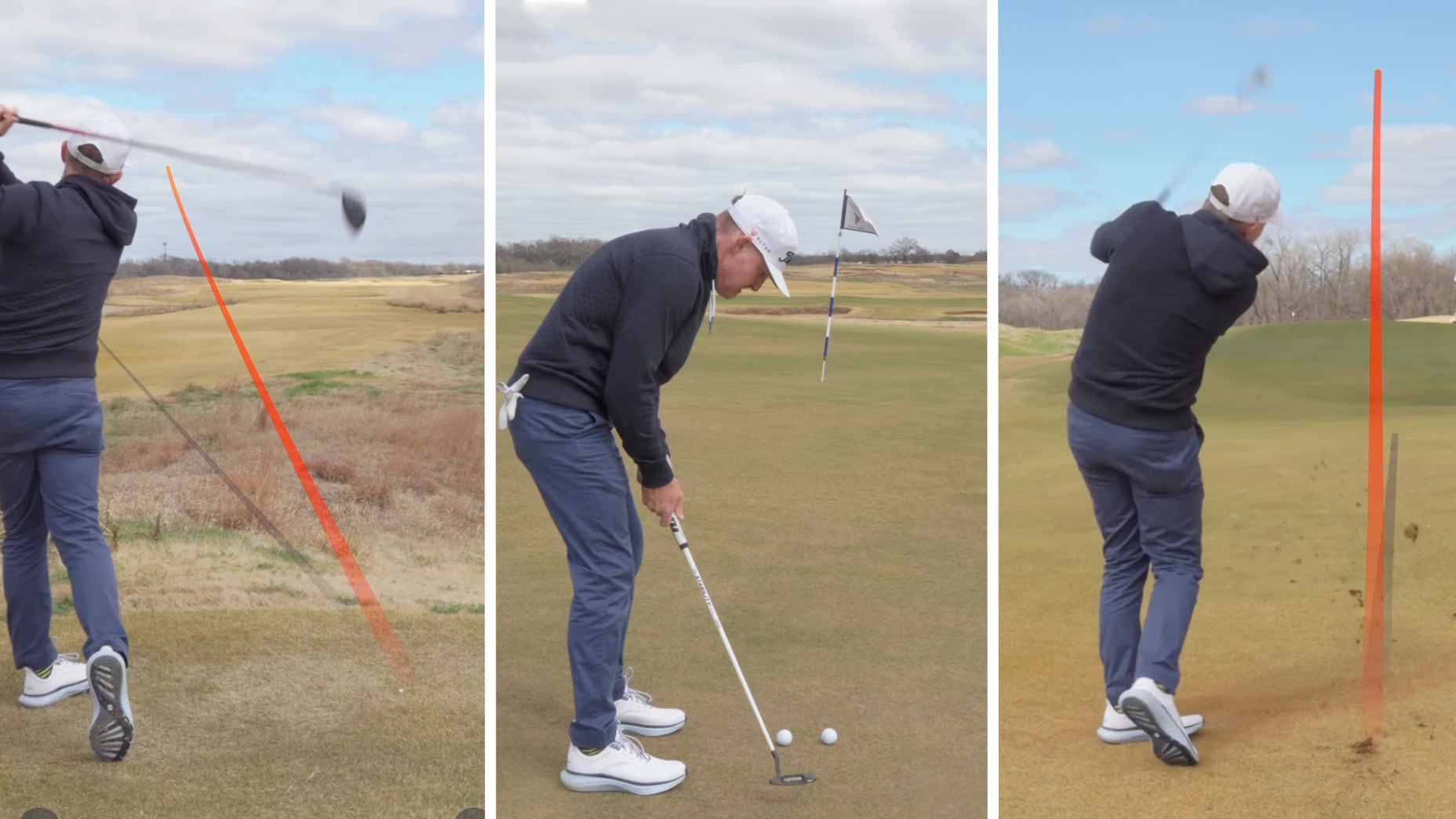
Dr. Alison Curdt highlights a particular drill aimed at keeping the club on the correct swing plane, a crucial element for successful iron play. The key is to focus on the positioning of the club while taking the swing—a simple yet effective way to ensure the clubhead travels through the desired path.
One of the most effective techniques is to use a hinge drill, where golfers will focus on their wrist hinge at the top of their backswing and maintain that position throughout the downswing. This drill encourages players to visualize their swing as a pendulum, moving smoothly on a consistent plane rather than deviating into complicated positions that often lead to slices or hooks.
By practicing this drill regularly, players can create muscle memory that reinforces the proper swing path. Curdt's technique is designed for inclusivity; regardless of skill level, both beginners and seasoned professionals can benefit from the consistent practice of this method. Statistics show that golf instructors who teach swing plane techniques report that their students make significant progress within weeks, directly impacting their scores.
In their own words
"Maintaining the club on plane is essential for consistent ball striking. This drill simplifies the concept for players, making it accessible and easy to incorporate into their practice."
— Dr. Alison Curdt
"I've always struggled with my irons, but after implementing this drill, I noticed a huge difference. The ball feels more solid at impact, and my accuracy has improved."
— Amateur Golfer, Mark Johnson
What this means for golfers
For recreational golfers, understanding how to keep the club on plane can lead to significant improvements in performance. By integrating Dr. Curdt's drill into regular practice routines, golfers can enhance their swing mechanics, resulting in better ball contact, greater distance, and improved accuracy. It's a perfect time for golfers to re-evaluate their swings and implement this fundamental drill.
In terms of equipment, players might consider reviewing their current iron sets. If new clubs cannot be justified, utilizing this technique can be enough to unlock the potential of their existing sets. A proper swing, after all, is much more beneficial than relying solely on brand-new equipment.
What's next
Looking ahead, golfers who embrace this simple yet effective drill will find themselves in a better position both in their practice sessions and on the course. As competition among golfers ramps up with numerous tournaments and local matches approaching, honing fundamentals will be key. Upcoming events such as local leagues and club championships present great opportunities for players to showcase their improved skills and capitalize on the advantages of mastering their swing plane.
In conclusion, taking Dr. Curdt's advice to heart could mean the difference between playing par or below, as well as enhancing overall enjoyment of the game. Golfers are encouraged to keep practicing these fundamentals, ensuring a long-lasting relationship with the sport as they strive for improvement and enjoyment on the course.