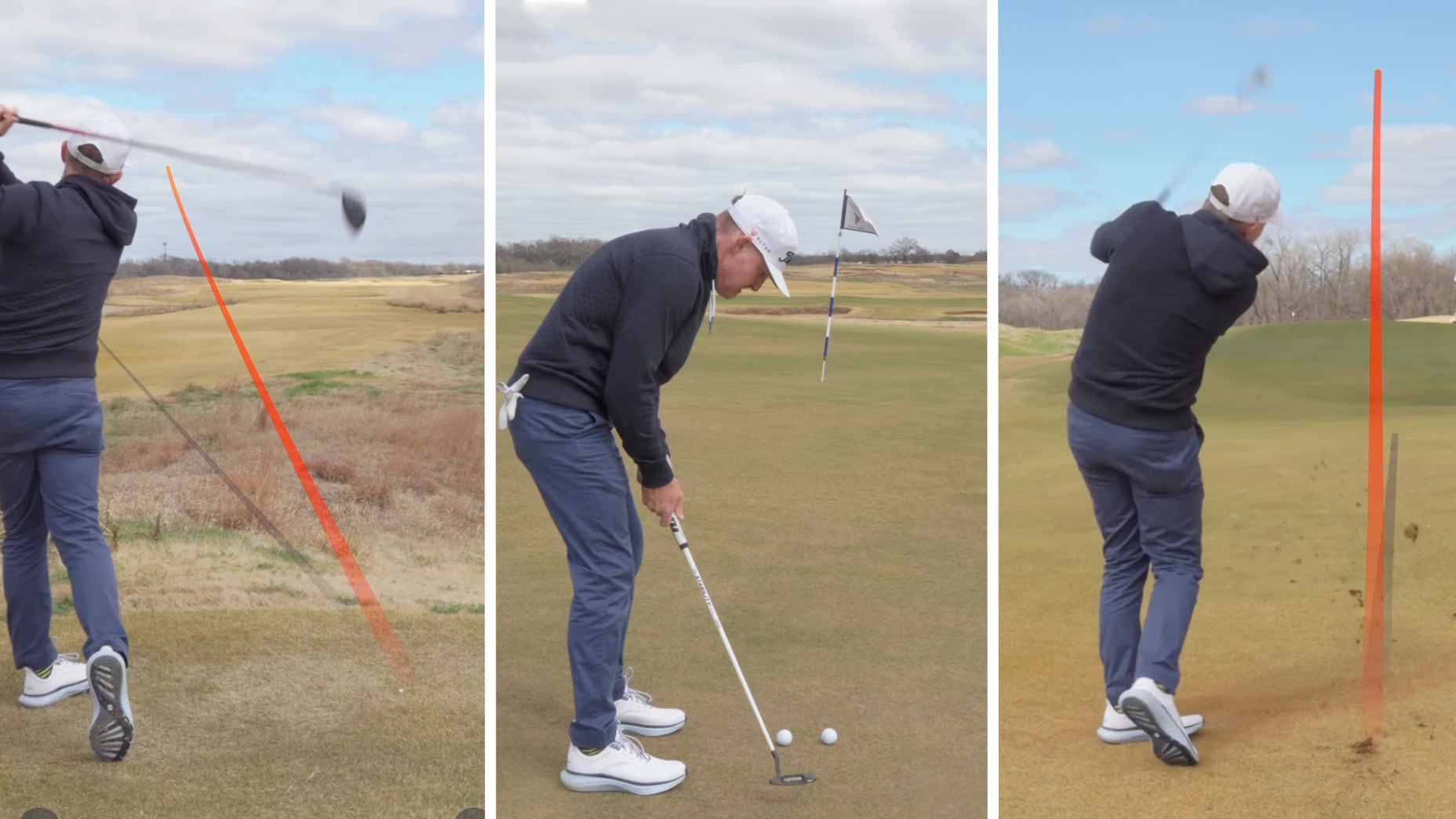
Golfers are always on the lookout for secret keys to lower their handicap and improve their scores swiftly. According to GOLF Top 100 Teacher Jason Baile, focusing on three fundamental skills can yield dramatic improvements. By enhancing your driving, wedge play, and putting, you can lower your handicap faster than you might think. This article delves deeply into these crucial skills, providing insights and tips to help you become a more proficient golfer.
Key takeaways
- Driving, wedge play, and putting are essential skills for rapid handicap improvement.
- Practicing these skills strategically can lead to significant score reductions.
- Focus on consistency in your swing and short game for better performance.
- The integration of technology and range sessions can enhance practice effectiveness.
- Setting actionable goals in each key area can aid in measuring progress.
Context and background
Understanding the dynamics of golf requires a comprehensive approach, especially for those seeking to improve their handicap. The golf handicap system, which helps level the playing field for golfers of varying abilities, is an essential aspect of the game. The average male golfer has a handicap of around 16 while female golfers tend to hover around 28. Achieving a lower handicap, particularly below ten, can be a substantial milestone in a golfer's career.
Historically, golf has evolved through the years, from its early beginnings in Scotland to becoming a global sport with an expansive following. The rise of technology, from sophisticated club design to advanced training aids, has allowed players to refine their skills and achieve better performance on the course. According to the United States Golf Association (USGA), improvements in driving distance, accuracy, and short game finesse have become paramount in lowering scores, making Baile's advice particularly relevant.
Mastering the three key skills
To lower your handicap rather quickly, you must dedicate time and energy to practice driving, wedge play, and putting. These three components are interlinked and can drastically influence your overall game performance.
Driving: The foundation of any golf game starts with a solid tee shot. Baile emphasizes the importance of distance and accuracy off the tee, suggesting that golfers should work on achieving a consistent swing. Using tools like a launch monitor can help measure key metrics such as ball speed, spin rate, and launch angle, allowing players to fine-tune their driving capabilities. One statistic to keep in mind is that every 10 yards gained in driving distance can equate to an impact of approximately one stroke gained per round!
Wedge Play: The area around the green—often called the scoring zone—is where many golfers struggle and lose strokes. Baile points out that optimal wedge play is critical for lowering scores. Players are encouraged to practice with various wedges from different lies and distances. Given that over 50% of shots during a round come from within 100 yards of the green, mastering this aspect can lead to fewer putts and lower scores.
Putting: Often considered the most crucial skill in golf, putting can make or break a round. In fact, statistics reveal that golfers who practice their putting significantly reduce their scores on average. To improve your putting, Baile recommends incorporating drills that focus on distance control, accuracy, and stroke consistency. A solid putting routine can help reduce three-putts and better your overall score.
In their own words
"Focusing on these three areas will not only help you shoot lower scores but also build confidence in your overall game. It’s about spending time on what matters most on the course."
— Jason Baile
What this means for golfers
For recreational golfers eager to shed strokes from their game, Baile’s advice offers a clear pathway. Golfers should prioritize practice sessions that focus specifically on driving, wedge play, and putting. A practical tip for players is to set measurable goals, like reducing your average number of putts per round or increasing driving distance by three yards in a month. By integrating technology tools and techniques into your practice routine, you can further enhance your abilities and track your improvements effectively.
What's next
As the golfing season progresses, players and enthusiasts alike can attend various events and workshops focused on skill improvement. Look for opportunities to engage with professionals, including clinics that emphasize driving techniques, short game mastery, and putting strategies. Remember, the key to lowering your handicap is consistent practice combined with effective learning methods. Set up a training schedule that allows for dedicated time toward each of the three skills, and watch your scores drop.