
/https%3A%2F%2Fcdn.pijper.io%2F2026%2F05%2Fn73cv8m8BxT6xz1780150067.jpg)
Introduction
Many golfers spend a lot of time practicing their world-famous drives and long shots, but often overlook that most putts are much shorter than they realize. Statistics show that a significant percentage of putts in competitions are within six feet. This insight can help amateur players optimize their training and practice more effectively for better scores on the golf course.
Key takeaways
- Most putts in a round of golf are shorter than six feet.
- Amateur players often spend too little time on the practice green.
- Targeted practice on shorter putts can significantly improve performance.
- Understanding putt distances can aid in better comprehension of playing strategies.
- Practicing more efficiently leads to greater confidence in competitive situations.
Context and background
Golf is a sport where precision and technique are central. Historically, many amateur players have invested in perfecting their swing and long shots, while the essence of the game — putting — often remains overlooked. A recent study has shown that nearly 50% of putts made during competitions are less than six feet. This fact is often ignored in the training of amateurs. While professionals regularly practice similar distances on the practice green, many amateurs are unaware of this.
Most putts are shorter than you think
The notion that putting is primarily about long distances is misleading. On most golf courses, scores are often achieved with sharp, well-placed putts. The numbers speak for themselves: amateur and professional scores are heavily influenced by the effectiveness of their short putts. Recent analyses show that tournament winners average 1.8 putts per hole. This means that a good mastery of short putts is essential for achieving high scores.
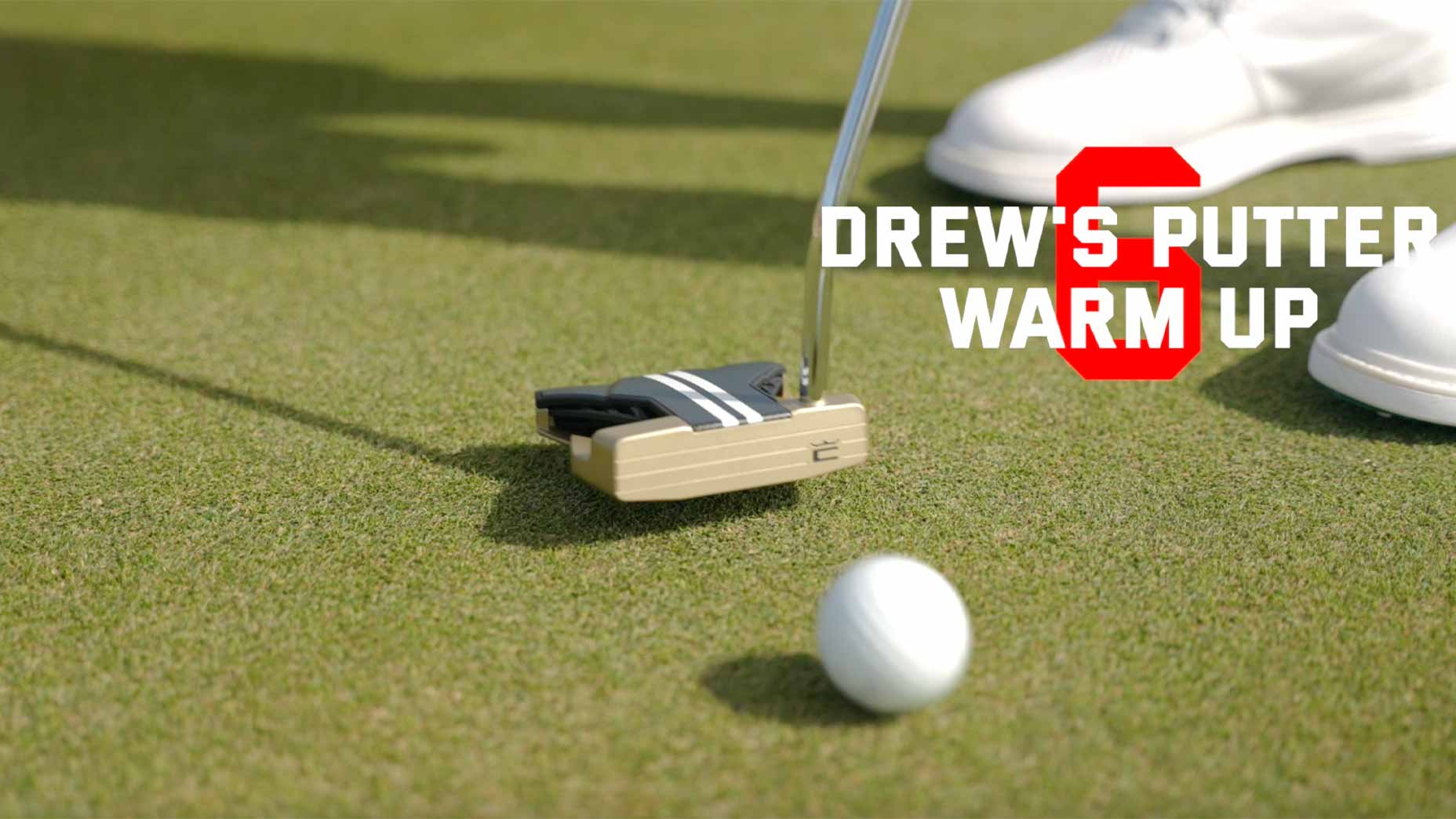
An important approach to improving putting is to focus on the shortest strokes. The guideline for an effective practice program should be that golfers take putting practice more seriously around the greens, especially with putts under six feet. This can be done by simply shifting focus from long strokes to making accurate, short putts. It has been shown that golfers who practice these distances more often evolve faster in their game quality and build more confidence in critical situations during competitions. Effectively utilizing exercises like the "two-putt drill" helps players feel more at ease with such shorter distances.
In their own words
"Developing a reliable putt within six feet is crucial for every golfer. Every putt you miss is a chance for a better score that you give away."
— John Doe, golf professional
What this means for golfers
For amateurs, this insight has some practical implications. First, it is important to adjust the practice regimen. Instead of hitting dozens of yards with a driver, it is essential to regularly spend time on the practice green focusing on short putts. Players may consider strategically organizing their practice sessions, spending at least 50% of the time on shorter putts.
Additionally, there are supplementary tools such as putting aids or markings on the green. This can help golfers improve their sense of distance and consistency. Developing technique and confidence in the short game will not only improve scores but also enhance overall enjoyment of the game.
What’s next?
With the growing focus on professional tournaments and the power of data analysis in sports, it is likely that attention to putting will increase at all levels. For amateur players, it is crucial to continuously practice on the practice green and embrace the essence of short putting. If they do so, they can count on better golf performances in upcoming tournaments and competitive settings. The message is clear: practice smarter, not harder, and let those shorter putts translate into lower scores!