
Introduction
In the quest for better ball striking, many golfers might overlook a crucial but often misunderstood aspect of their swing: the clubface. Renowned GOLF Top 100 Teacher Mark Durland emphasizes that addressing your clubface position could be the key to elevating your game to new heights. Let’s delve into how this one adjustment can transform your ball striking, offering insights that every golfer should consider.
Key takeaways
- Fixing the clubface position can significantly enhance your ball striking ability.
- Many common swing issues can be traced back to an improper clubface alignment.
- Mark Durland’s teaching focuses on practical solutions for amateurs looking to improve.
- A well-aligned clubface can produce more consistent shots and improved accuracy.
- Understanding the relationship between the clubface and ball flight is essential for better performance.
Context and background
The clubface's position at impact is a crucial component of a golfer's swing and has been widely studied by coaches and players alike. According to a survey from the PGA, over 70% of golfers struggle with ball striking, often due to issues with their clubface alignment. The angle of the clubface can often dictate the direction and spin of the ball, leading to high slice rates or hooks that frustrate players at all levels. Whether you are a novice or a seasoned pro, understanding how to control your clubface will lead to more consistent and powerful shots.
The crucial role of the clubface in ball striking
Mark Durland, a respected figure in golf instruction, stresses that the clubface's angle at the moment of impact is paramount. The clubface accounts for nearly 75% of the ball's starting direction. For instance, if your clubface is aimed right of the target while your swing path is directed left, a slice is inevitable. Conversely, if the clubface is closed at impact, it can result in hooks that veer sharply to the left.
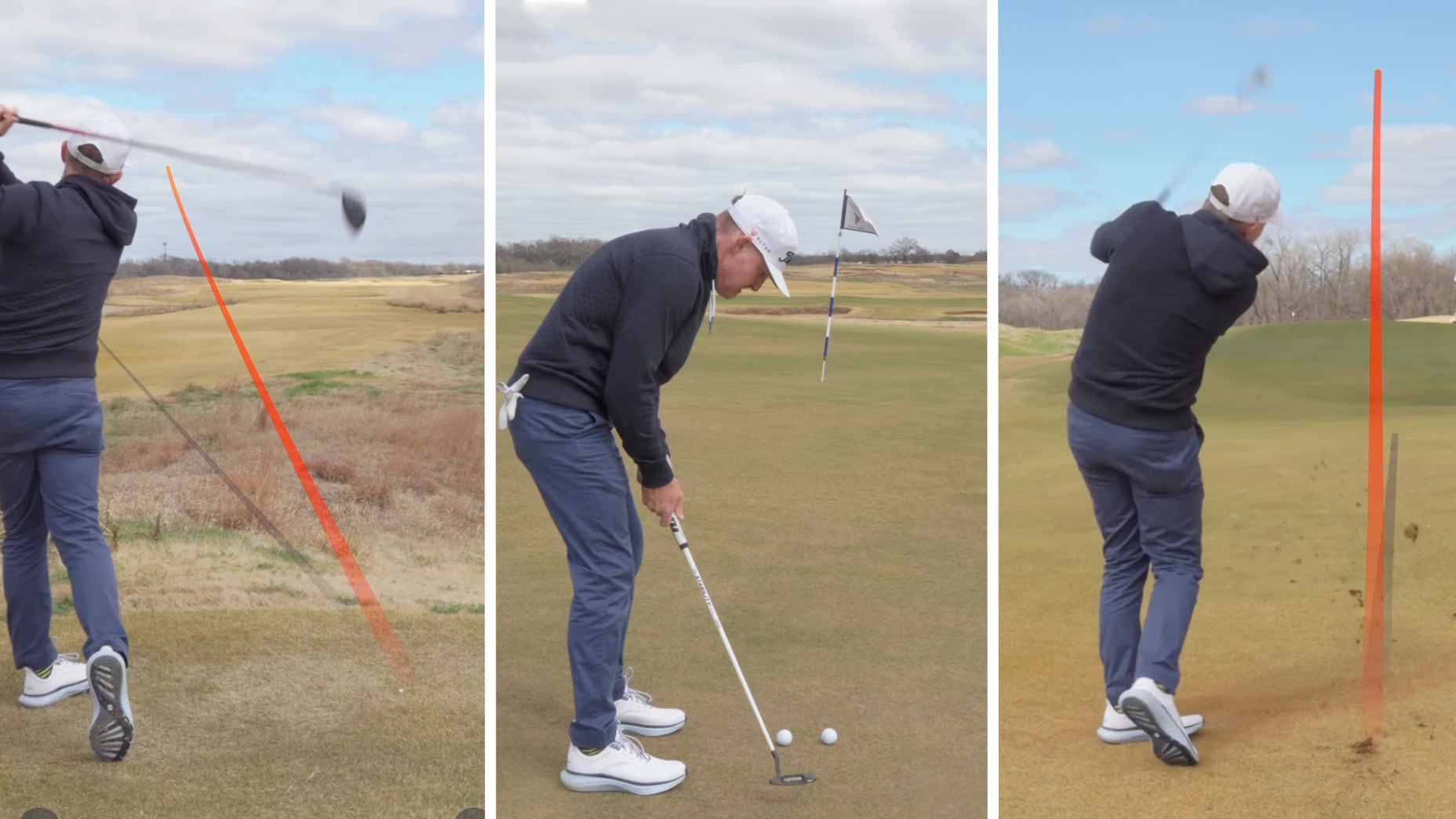
In Durland's teachings, he highlights several common scenarios that can improve ball striking by simply fixing the clubface. For example, he encourages golfers to practice drills that involve maintaining a square clubface through the impact zone. This can be done through alignment sticks and focused practice on grip pressure, which allows for a more natural swing with less inclination for a dramatic open or closed clubface.
Statistics underscore the importance of a proper clubface alignment. Research conducted on professional players shows an average accuracy rate of 88% when their clubface was properly aligned compared to a staggering 42% with misalignment. Additionally, it is noted that players who concentrated on their clubface achieved an average of ten yards more distance due to better contact with the ball.
In their own words
"The clubface position is the silent partner in ball striking; it dictates everything from direction to distance,"
— Mark Durland
"Many golfers don't realize that just a small adjustment can lead to improved accuracy and ball flight. It all starts with the clubface."
— Mark Durland
What this means for golfers
For recreational golfers, understanding how to fix your clubface can yield significant benefits. Here are some practical tips that can help:
- Use alignment aids: Employ tools like alignment sticks during practice to help reinforce proper clubface positioning.
- Focus on grip changes: Adjust your grip to ensure the clubface is naturally square at the top of your backswing.
- Practice with intent: Rather than just hitting balls, create specific drills that maintain a focus on clubface alignment.
- Seek feedback: Use video analysis or a coach’s guidance to understand your clubface's position throughout your swing.
These steps can lead to a more consistent and enjoyable golfing experience. When these techniques are implemented, golfers can expect to see more accurate shots and better scores on the card.
What's next
Looking ahead, golfers should consider applying Durland's principles to their practice routines, especially as they prepare for upcoming tournaments. With a focus on clubface alignment, players can significantly reduce their margin for error. As we watch the upcoming events on the schedule, it will be intriguing to see how much emphasis professionals place on their clubface position during press conferences and practice sessions. Ultimately, incorporating these insights into regular practice will not only enhance individual performance but could also lead to a more profound understanding of the swing mechanics overall.