

Key takeaways
- Maintaining a 'head behind' position during the swing enhances distance and accuracy.
- Proper sequencing of the swing is crucial for maximizing power off the tee.
- This technique can help golfers achieve a more consistent ball strike and optimal launch angle.
- Recreational golfers can significantly benefit from integrating this concept into their practice routine.
Context and background
Golf swing mechanics can often feel overwhelming, particularly for recreational players striving to improve their game. One of the key components influencing a successful drive is the head position during the swing. The phrase 'head behind' refers to a specific body alignment and positioning that can lead to longer, straighter drives. Understanding how the head's placement affects the overall swing can help players capitalize on their power and control.
Historically, driving distance has been a pivotal aspect of competitive golf, with many professionals focusing on their technique to maximize yards off the tee. The PGA Tour has seen a steady increase in driving distances over the past few decades, with the average drive now exceeding 290 yards. Players applying techniques that maintain optimal head positioning will often find themselves among the leaders in distance stats, highlighting the importance of this fundamental aspect.
The head behind technique: how it works
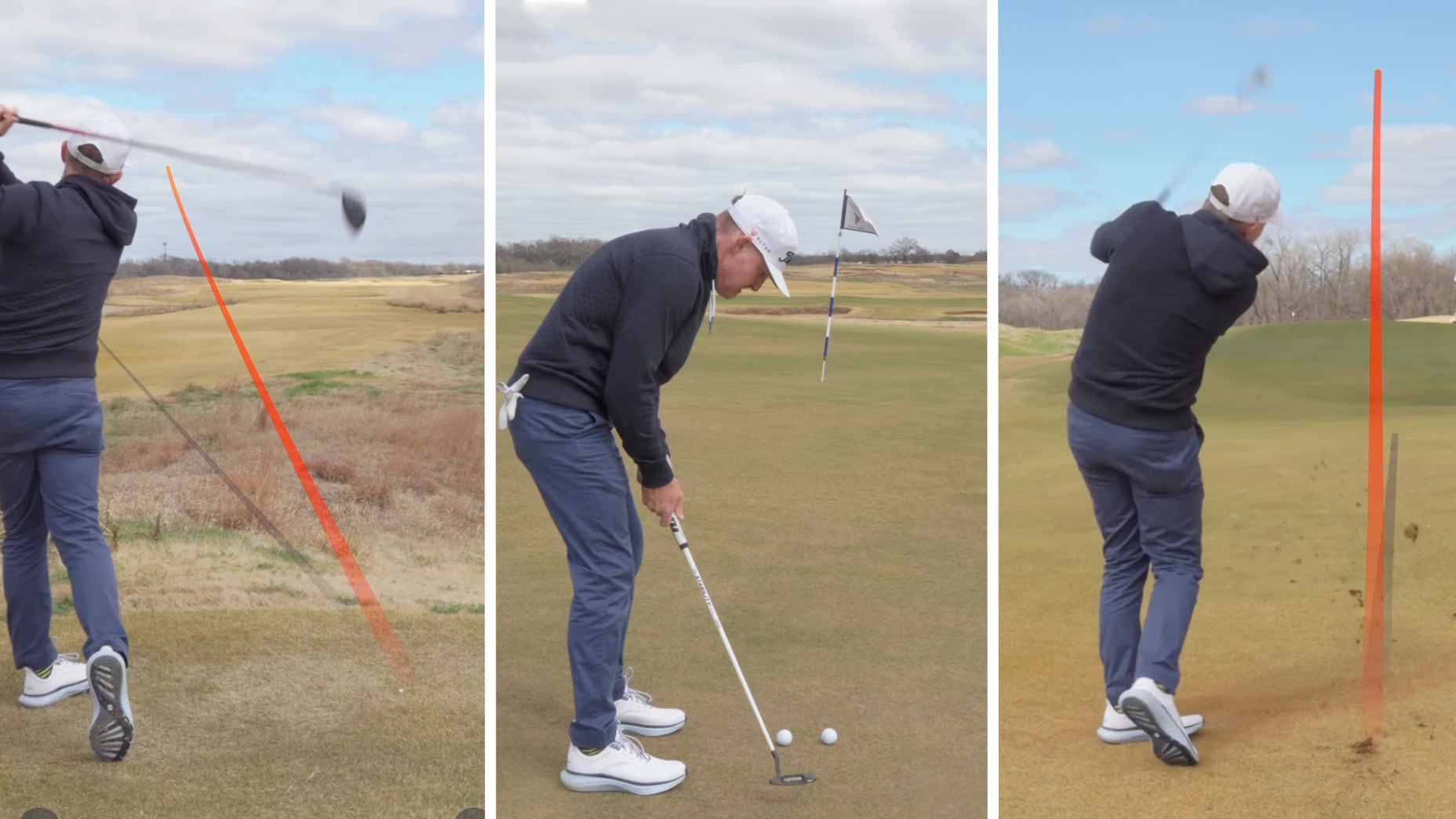
Setting the stage for a solid drive is about more than just swinging hard; it requires meticulous sequencing and timing. The head behind concept encourages golfers to keep their head positioned slightly behind the ball at the start of their downswing. This positioning can lead to several benefits, including enhanced weight transfer and improved body rotation.
Research indicates that golfers who maintain their head behind the ball at impact tend to have a more consistent swing path, which is essential for both distance and accuracy. Additionally, when the head remains behind, it helps achieve a dynamic impact with the ball, allowing for a higher launch angle and lower spin rate. These conditions are optimal for achieving maximum distance.
For instance, on the PGA Tour, golfers like Rory McIlroy and Brooks Koepka have been seen emphasizing this technique, which allows them to maximize their clubhead speed effectively. In simple terms, when a golfer's head is behind the ball, their body is better positioned to unload energy through the swing, resulting in better distance and control.
In their own words
"Keeping my head behind the ball not only allows me to drive farther but also gives me more control in the process. It’s something that I’ve worked on consistently."
— Rory McIlroy
"It’s all about the sequencing for me. That tiny adjustment made a world of difference in my drives. I now feel more balanced and powerful with each swing."
— Brooks Koepka
What this means for golfers
The head behind technique serves as a pivotal lesson for recreational golfers looking to improve their performance off the tee. By incorporating this concept into practice regimens, players can enhance their overall swing mechanics, leading to not just longer drives but also cleaner ball strikes.
When practicing, players should focus on maintaining awareness of their head position as they transition from their backswing to their downswing. Using alignment aids or mirrors can help create better muscle memory, which reinforces this technique. Moreover, using video analysis software can provide feedback to help golfers visualize and correct their swing mechanics effectively.
What's next
As golfers head into the next season, integrating the head behind philosophy could make a substantial difference in their gameplay. Upcoming tournaments and opportunities to play can serve as the perfect testing ground for players to apply this method. Furthermore, golf instruction clinics focusing on swing mechanics are set to incorporate this technique into their curriculum, providing professionals and amateurs alike with valuable insights on how to enhance their game.
As the golfing community continues to evolve, understanding and implementing innovative techniques like keeping the head behind the ball will be crucial for those looking to elevate their game in the years to come.