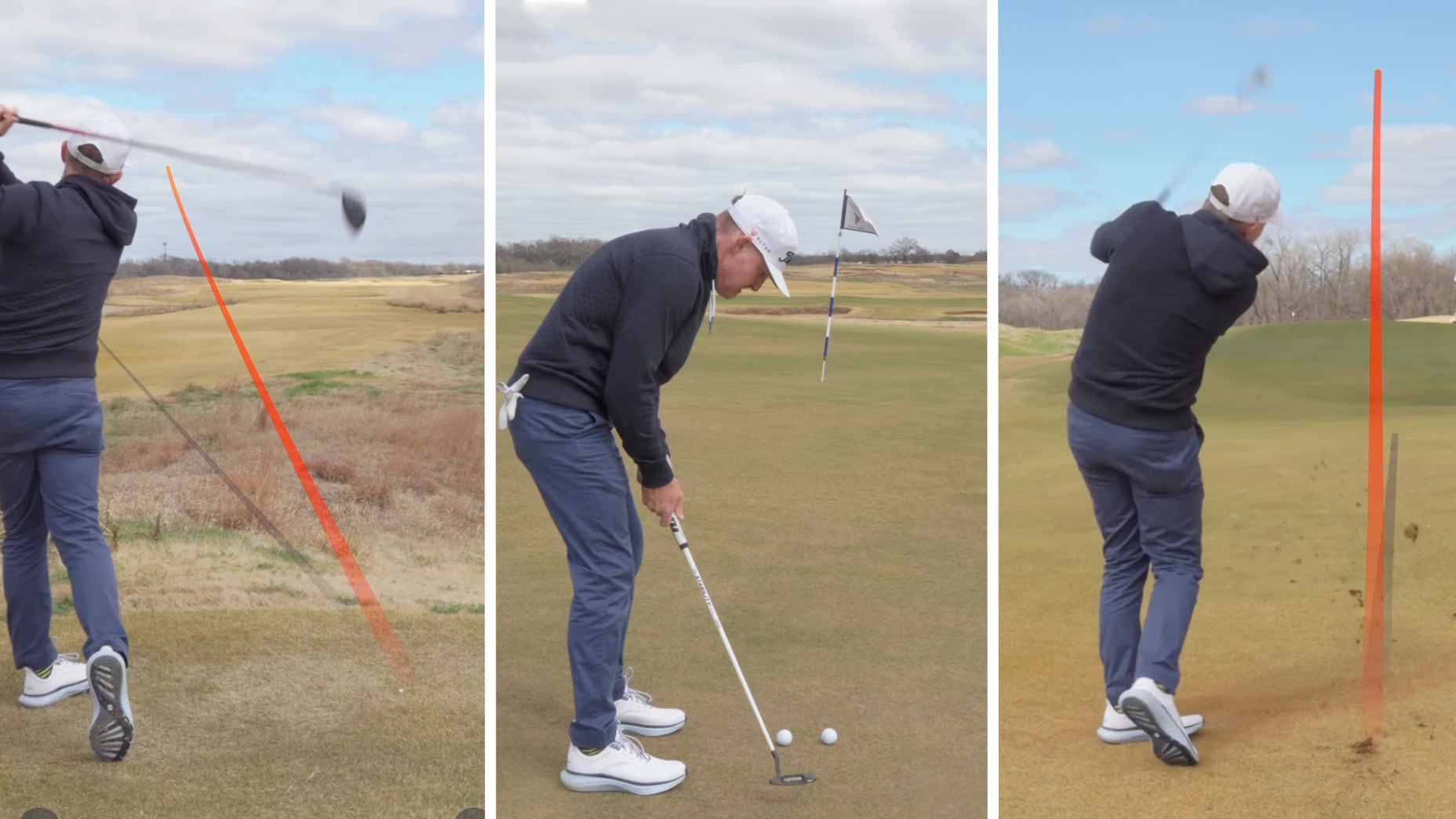


Intro
In the world of amateur golf, improvement often requires the delicate balance of encouragement and candid feedback. One golfer's experience reveals how a session filled with tough love from their coach led to a pivotal break from bad habits, specifically the detrimental cycle of 'tap-tap-tap' golf. This story emphasizes the crucial role that direct coaching can play in refining a player’s performance.
Key takeaways
- Honest feedback from golf coaches can spark significant improvement.
- 'Tap-tap-tap' golf refers to a repetitive, nervous putting style resulting in poor performance.
- The right approach from a coach can help players overcome mental barriers.
- Being open to criticism is essential for growth in any sport.
- Experiences like this highlight the need for mindful practice and focus on fundamentals.
Context and background
Golf is a sport deeply intertwined with personal growth and self-reflection. Many amateur players face a host of challenges, both physically and mentally, that can prevent them from reaching their true potential. A significant hurdle is often mental, experienced vividly by those who lapse into habitual strokes that lack confidence and commitment. The term 'tap-tap-tap' encapsulates this challenge, describing a timid, overly cautious approach to putting that results in frustrating outcomes and lets opportunities slip away on the green.
Traditionally, the road to improvement in golf hinges on consistent practice and a deep understanding of technique. According to various studies, players often blend their drills with instinctual, familiar habits, which can lead to stagnation. Coaches play an essential role here, serving as mentors who guide players through both the technical and psychological components of the game.
Breaking free from bad habits
The amateur golfer shared a transformative experience that began with their coach’s brutal honesty. As they entered a lesson, their mind was spinning with doubts, reflective of a series of poor performances. This coach, equipped with a keen eye for detail and a commitment to helping their players, recognized the golfer’s struggle with the 'tap-tap-tap' approach on the green. This method, characterized by hesitant and jerky motions, not only inhibited power and control but also stifled the player’s confidence.
During the lesson, the coach decided to address the problem head-on, refusing to tolerate the nervous habits that had crept into the golfer's performance. The phrase 'hold your head and focus' echoed throughout the session, emphasizing the importance of maintaining a steady stance and the necessity to follow through with commitment on each putt. This method of constraint served as a wake-up call, steering the golfer away from a vicious cycle of fear-driven approaches and towards a more centered and purposeful style.
Statistical evidence supports the claim that proper mental focus is pivotal in golf. Studies show that golfers can improve their putting average significantly by altering their mental approach and reducing the anxiety that often accompanies crucial strokes. Numbers may vary, but achieving a consistent putting average under 2.0 putts per hole is indicative of a confident and precise short game. Coaches, therefore, play an indispensable role in guiding players towards such achievements.
In their own words
"Sometimes you need someone who isn't afraid to tell you the truth, even if it stings a little. It was tough love, but I learned to be more focused and confident in my shots."
— Amateur Golfer
"It's not just about hitting the ball. If a player is overthinking their stroke, they're going to struggle. I want my players to execute with conviction."
— Golf Coach
What this means for golfers
This experience serves as a reminder for amateur golfers: being receptive to constructive criticism can pave the way for tremendous growth. In a game where mental fortitude is as critical as physical skill, players should prioritize sessions that focus on more than just technique. They should cultivate a supportive environment with their coaches where honest feedback is not shied away from, but embraced.
Additionally, the notion of 'tap-tap-tap' golf underscores a vital lesson in practice: golfers must be mindful of their tendencies, particularly during pressure situations. Practicing with a focus on confidence and assurance is as crucial as mastering the physical mechanics of the game. Recreational players may find that working on their mental game through visualization and committed practice can yield rewarding benefits on the course.
What's next
As amateur golfers look forward to upcoming rounds, they should carry these lessons into their practices and performances on the links. The impact of a well-executed coaching session can reverberate throughout a season, improving mental resilience and overall proficiency. Players are encouraged to seek feedback from their coaches, set goals for creating a confident mental game, and focus on eliminating unproductive habits. Considering the upcoming local tournaments on the calendar, embracing improvement strategies emerging from honest discussions in coaching can significantly alter the course of their gameplay.