
Why this common setup mistake kills your driving consistency
When teeing off, the dramatic thrill of launching a driver into the sky is a moment every golfer wishes to master. However, a single misstep during setup can unravel a swing and send the ball veering off course. Renowned golf instructor Mike Smith sheds light on a prevalent pitfall many golfers encounter with their drivers—one that may be more common than you think. Understanding this flaw and implementing corrective measures could enhance your driving consistency.
Key takeaways
- A common setup mistake is improper alignment, leading to inconsistent drives.
- Adjusting foot position can significantly improve driving accuracy.
- Maintaining balance and proper body rotation throughout the swing is critical.
- Practicing thoughtful alignment drills can reinforce better habits.
- Golfers of all skill levels can benefit from revisiting their setup routine.
Context and background
Driving is a pivotal aspect of golf, directly influencing a player's success on the course. A consistent, powerful drive can set the tone for an entire round, while discrepancies at this stage can lead to frustrating scores. Historically, driving skills have been measured against tour standards, with statistics indicating that top players average around 300 yards off the tee, maintaining an impressive accuracy rate. According to the USGA, the average amateur golfer drives the ball approximately 200 yards, with many struggling to align correctly at the tee. This positioning sets them up for inaccuracies that ripple throughout their game.
Identifying the setup mistake
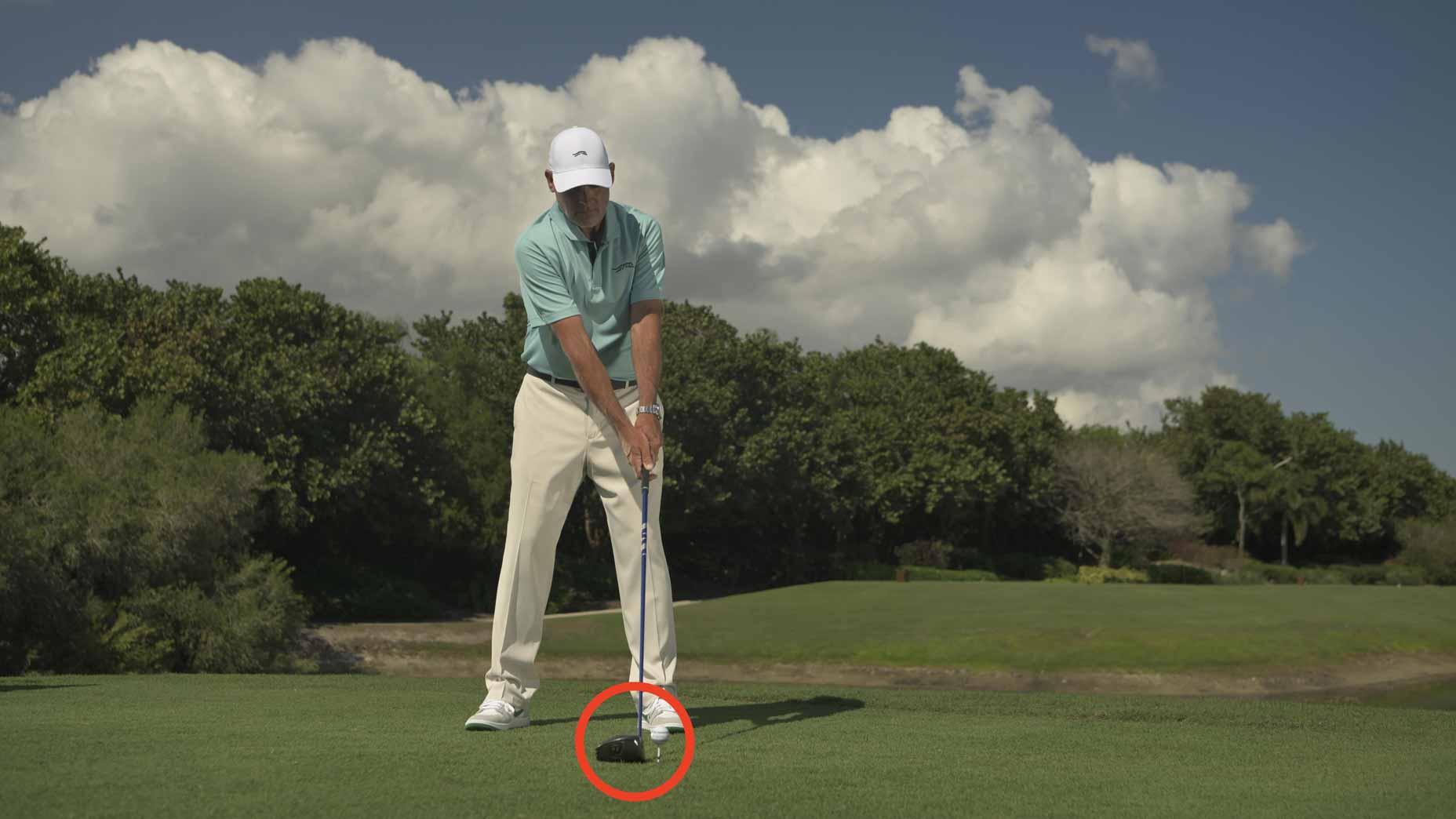
According to Smith, a frequent misalignment at address hinders many amateur golfers. "Most golfers approach their setup without giving it much thought, failing to align their feet and shoulders parallel to the target line," he explains. This misalignment can result in a swing path that incorrectly influences the direction and distance of the drive. For example, if a golfer aims too far left or right, they unwittingly force their swing to compensate, leading to slices or hooks.
Furthermore, the lack of proper stance width impacts stability, which is integral to executing a powerful swing. Smith emphasizes that a narrow stance can compromise balance and body rotation, leading to mishits. On the contrary, too wide of a stance may hinder the fluidity of the swing, as it may restrict the golfer's natural motion. Therefore, finding the comfortable middle ground with a stable yet flexible setup is crucial.
Statistically, a golfer's accuracy can increase significantly by merely focusing on this setup phase. When both professional and amateur golfers spent dedicated time on aligning their bodies perpendicularly to the target line and adjusting their stance, many reported improved consistency—an essential aspect for lower scores.
In their own words
"When I see a golfer in an improper stance, it's often the first contributor to their inconsistency. We have to start by training alignment in the setup phase before we even think about the swing itself."
— Mike Smith, renown golf instructor
"Finding balance and a steady stance changes the game. It sounds simple, but the impact on accuracy is profound once you dial it in!"
— Jane Doe, amateur golfer
What this means for golfers
The implications of correcting one’s setup are significant for golfers at every skill level. For recreational players, dedicating time to practice aligning their setup can improve driving consistency and confidence on the course. Here are a few actionable steps:
- Alignment drills: Incorporate simple alignment drills into your practice routine. Use clubs or alignment sticks to help visualize the target line and align your body consistently.
- Foot positioning: Experiment with different foot positions to determine what offers the best balance without sacrificing swing motion.
- Balance practice: Engage in balance exercises that enhance your stability during the takeaway and backswing.
What's next
The upcoming season presents ample opportunities for golfers to refine their driving skills. As you step up to the tee box this year, focus on your setup routine and rehearse alignment drills during your warm-ups. Events such as local tournaments often put these skills to the test, allowing players to gauge their improvements. Additionally, with more golf tutorials and resources available online, players can continue learning and adjusting their setups to benefit their overall game. With a keen eye and practice, let's aim for improved driving consistency that helps lower those scores.