
9 forgotten AIG Women's Open venues: A nostalgic look back
Explore the history of the AIG Women's Open with a spotlight on nine forgotten courses that once hosted this prestigious event.

Intro
The AIG Women's Open is a hallmark of professional women's golf, a tournament that reflects both the evolution of the sport and the rise of female athletes in a traditionally male-dominated arena. In contemporary times, the event may be best associated with prestigious championship courses, but the legacy of the Open runs much deeper. Travel back in time as we explore nine venues from the 20th century that once proudly welcomed this eminent championship, yet have since fallen into the shadows of golf’s rich history.
Context and background
The AIG Women's Open was first established in 1976 and has since become one of the cornerstones in the women's golfing calendar. This tournament is not only a significant accolade for female golfers but also serves as a platform highlighting the progress made in gender equality within the sport. While today’s lineup often includes well-known venues such as Muirfield and Royal Troon, the tournament’s early years showcased a variety of attractive courses, each with its unique story and significance.
Over its history, many courses have contributed to the Open's narrative, helping to foster the careers of countless female golfers. Statistics show that the tournament has produced extraordinary champions and notable moments—many happening in places now forgotten or overshadowed by modern venues. Understanding these historical locations provides a richer context to the event’s legacy.
Unearthing a lost legacy: nine forgotten venues
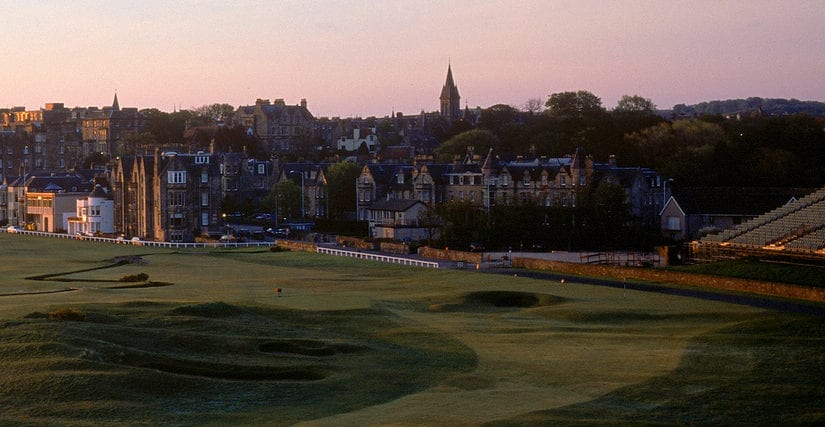
As we sift through the annals of history, nine venues emerge, each deserving of recognition and remembrance. First among them is Fulford Golf Club in York, which hosted the championship in 1976. This picturesque course laid the foundation for what would become an illustrious series of tournaments.
Then comes the Grange Golf Club. Located in Adelaide, Australia, it hosted in 1984, marking the first time the event was held outside the British Isles. This reflected the growing international appeal of women's golf.
Further back, the Royal Liverpool Golf Club at Hoylake welcomed the event in 1985, showcasing the course's ability to challenge the world's best while enveloping them in rich golf tradition. Another notable venue was the Wynyard Golf Club in New Zealand in 1990, providing a breathtaking backdrop alongside its competitive fairways.
The 1997 championship hosted at Birkdale Golf Club remains significant, marking one of the last events before the Open shifted its focus to more familiar and established courses. The course enabled players to battle variable weather conditions, highlighting perseverance and skill.
The 1998 championship hosted at the famous Turnberry Resort is remembered for its stunning views and challenges which put female golfers to the test. Moving into the 2000s, the Royal County Down Golf Club in 2001 was a natural choice, known for its rugged beauty and demanding layout.
Another memorable venue is the Portmarnock Golf Club in Dublin, which hosted in 1995. Celebrated for its rich history and links-style design, Portmarnock presented unique challenges that seasoned the competitors well. Lastly, the 1985 venue, the Deeside Golf Club, remains another cherished part of the Open's narrative, serving as a platform for rising stars of that era.
In their own words
"Each course shapes the narrative of the champions it produces. Remembering these venues is essential to understanding our history."
— Historic Course Analyst
"The varied landscapes and challenges of these forgotten venues contributed significantly to the evolution of our game. It is vital we acknowledge them as integral parts of our story."
— Former AIG Women's Open Champion
What's next
Expect conversations and campaigns advocating for a return to some of these storied sites, as players and fans alike search for a deeper connection to the sport's enduring legacy. As the AIG Women's Open continues to inspire generations of golfers, the forgotten venues remind us of the significance of every step taken in the journey toward equality and excellence in women's golf.