

A £400 set of blades can't compete with the top brands... can it?
We examine whether MacGregor's £400 irons can truly rival the premium sets priced at £1,200 in performance and quality.
Context and background
The golf industry has long been polarized between luxury, high-end brands that boast a hefty price tag and more accessible, direct-to-consumer options. High-performance golf clubs often come with a price tag of over a thousand pounds, and players frequently question whether the extra investment is merited.
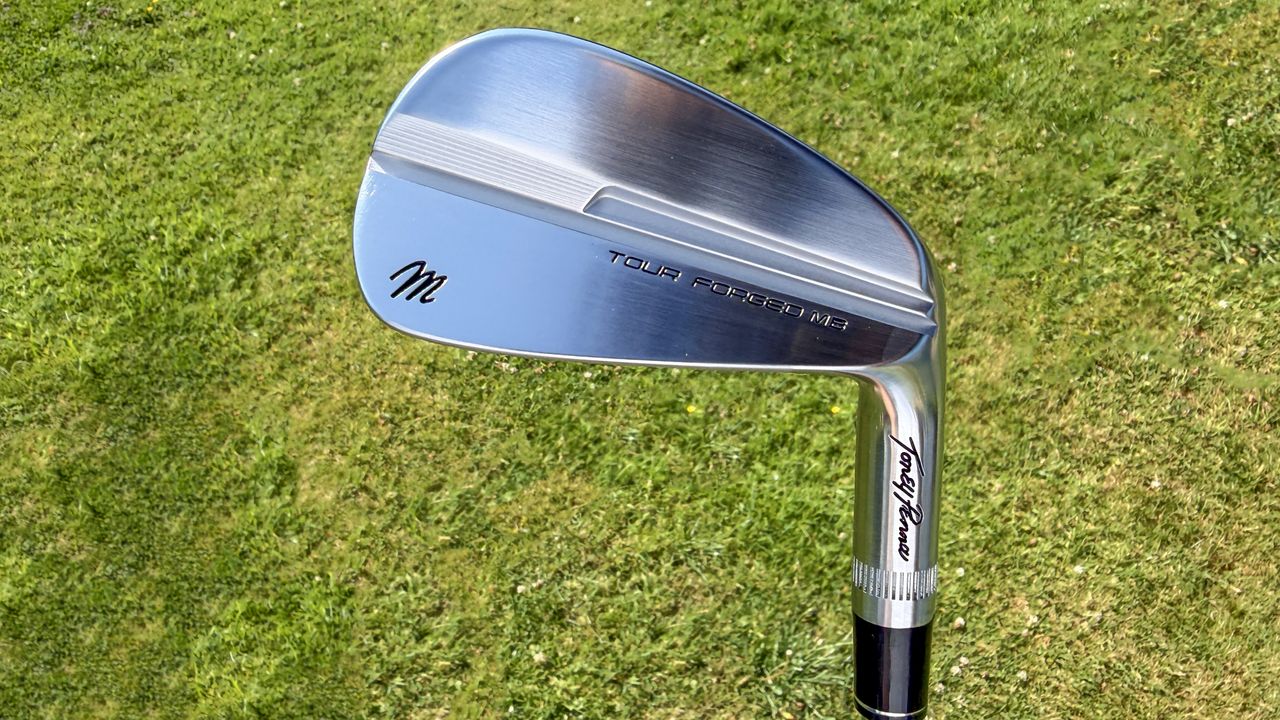
Historical sales data and consumer sentiment suggest a growing trend towards value-driven purchases, with brands like MacGregor stepping up to offer competitive alternatives at a fraction of the cost. The MacGregor Toney Penna Tour Forged irons, priced at £400, are designed to challenge this notion and provide golfers with professional-grade equipment without the steep financial burden.
Interestingly, the premium market has been dominated by prominent names such as TaylorMade and Callaway, which have, over the years, assembled an impressive array of accolades and statistics in major tournaments. While players may benefit from advanced technology and superior materials in high-end sets, the question remains: can a brand focusing on value hold its ground?
Testing the MacGregor Toney Penna Tour Forged irons
In an effort to find a conclusive answer, we put the MacGregor Toney Penna Tour Forged irons to the test on the golf course. First impressions revealed an elegant design, characterized by professional-grade aesthetics that appeal to discerning golfers. The quality of the materials used appeared commendable for the price, suggesting serious construction behind these blades.
Upon taking the Toney Penna irons to various courses, testers experienced a striking difference in feel compared to the premium models. The feedback on impact was immediate, highlighting a softer touch and solid feedback on well-struck shots. This contrasts with some high-end clubs, which can sometimes feel excessively strained in pursuit of distance.
During comparative tests against a £1,200 set of premium blades, the MacGregor irons showed promise, especially for mid-to-high handicap players who appreciate the forgiveness in their shots. The trajectory and control demonstrated by the Toney Penna was commendable, proving suitable for those who are less frequent players but still seek to elevate their game.
However, delving deeper into performance metrics, when it came to precision and shot consistency, the premium set began to pull ahead. Advanced technologies—such as precision milling and superior weight distribution—are critical factors that give leading brands the edge in competitive play. While the MacGregor irons are highly capable, high-level players may notice the difference in a more intense game scenario.
In their own words
"I was pleasantly surprised by the feel of the MacGregor irons. They don’t quite match the precision of my premium set, but for the price, they offer excellent value. Perfect for casual rounds."
— Tester A
"There's a lot to love about the Toney Penna irons. If you're a weekend golfer looking for quality without breaking the bank, these are a great choice!"
— Tester B
What's next
As golf's direct-to-consumer market continues to expand, the success of the MacGregor Toney Penna irons could lead other brands to explore similar production and marketing strategies. Upcoming promotional events and product reviews may shed more light on how these blades compete not just with premium brands but also with other emerging affordable options.
Golfers looking for cost-effective equipment will have their eyes on these developments, with the hope that more brands can disrupt the conventional pricing model without sacrificing quality. Future tournaments and casual competitions will also chart a course for how these testing results play out in real-world scenarios—will players opt for premium gear, or will value reign supreme?