

How often should you switch your golf ball during a round?
Understanding when to change your golf ball is key to maintaining performance on the course. Here’s what you need to know.
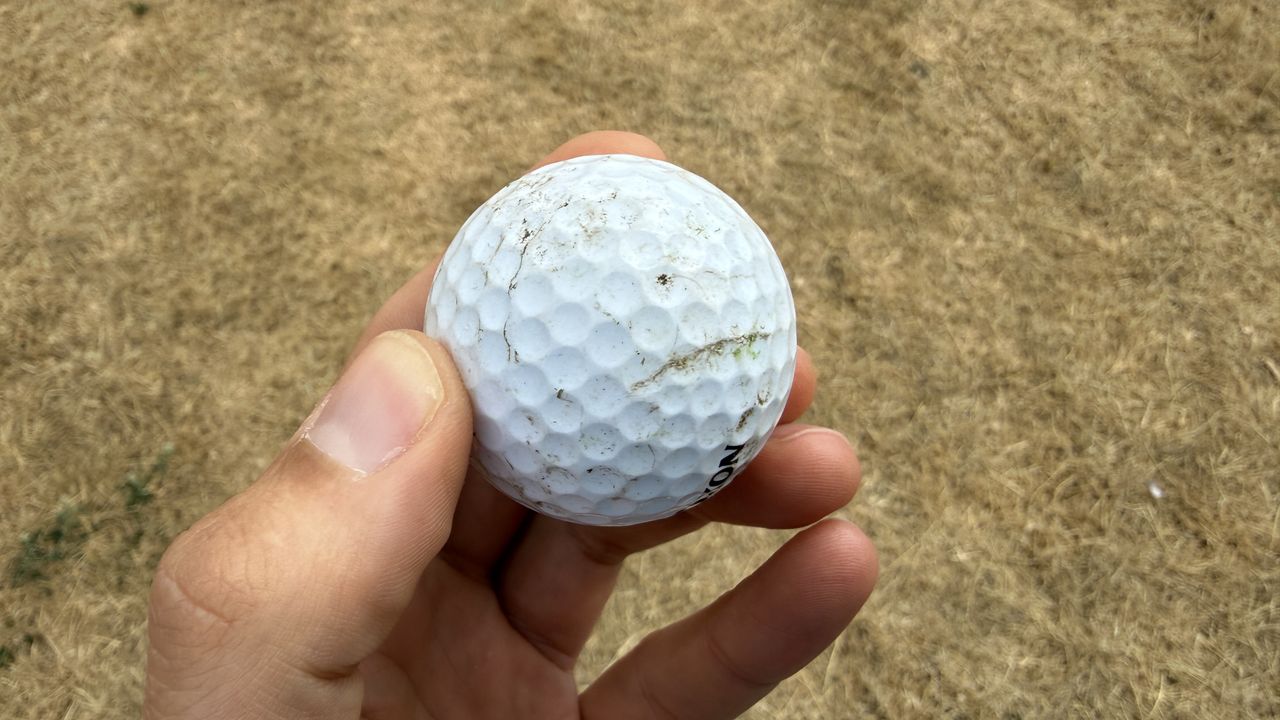
Understanding the golf ball lifespan
In the world of golf, the little white ball plays a crucial role in every aspect of the game, from tee to green. It's not just a device for hitting; it’s the vehicle of your skills and techniques. Yet, one question consistently arises among golfers of all skill levels: how often should you switch your golf ball? The recommendation often varies amongst players, and understanding the composition and durability of modern golf balls can greatly influence this decision.
Context and background
Golf balls have come a long way since the days of gutta-percha and feathery balls. Today, most balls are constructed from sophisticated multi-layer designs that enhance performance and durability. They are engineered to withstand long rounds and various weather conditions. Recognizing when to replace your golf ball can be essential for maintaining optimum performance on the course. While recreational players often wonder if they should change their ball after every hole, seasoned pros usually focus on the ball's condition rather than on a strict timeline.
Statistics show that a golf ball loses its performance level through wear and tear, especially due to the impact with the club and the course itself. For instance, a ball that hits an abrasive surface, such as a sand trap or a rock, may need replacement sooner than one that plays on well-maintained greens. Additionally, golf balls can be impacted by environmental factors such as humidity and temperature, further affecting their integrity.
When is it time for a new ball?
Most golfers may not know that a golf ball can lose its effectiveness even if it doesn’t show visible signs of wear. According to various studies, golfers should consider switching their ball after every 4 to 5 holes if they are playing under optimal conditions, or sooner if they notice any disruption in performance. Some key indicators include cuts, scratches, or loss of paint on the ball. These can drastically affect how the ball flies, its spin rate, and the distance it covers.
For avid players, switching balls every other hole might seem excessive, especially if they’ve not lost it. However, in competitive scenarios, the difference in performance can be critical. A fresh ball responds better to swings and can provide the feel that an experienced golfer craves. Pros often switch every few holes, though some may extend that to as much as the front nine, depending on their strategy and the conditions they face.
In their own words
"I always check my ball for any damage after each hole. If it’s scuffed, I replace it. The feel and control I get from a fresh ball is worth it."
— Jordan Spieth
"I think many amateurs underestimate how much a fresh golf ball can enhance their game. Don’t let the cost keep you from making the switch when needed."
— Phil Mickelson
What's next
For golfers looking to enhance their game, understanding the nuances of ball usage is vital. As we approach a new tournament season, players should pay close attention to how their performance folds against their investment in equipment, including golf balls. Upcoming amateur competitions and club tournaments will give many players an opportunity to test different types of golf balls and strategies for ball-switching without the pressure of professional play.
Ultimately, there's no one-size-fits-all answer to how often you should switch your golf ball. It all comes down to personal feel, performance, and attention to the conditions on the course. Keeping these factors at the forefront of your mind will allow you to make the most informed decision, ensuring each round is played with the best possible ball for your game.


/https%3A%2F%2Fcdn.pijper.io%2F2026%2F07%2F50YjLVnPX9uXZF1785147420.jpg)