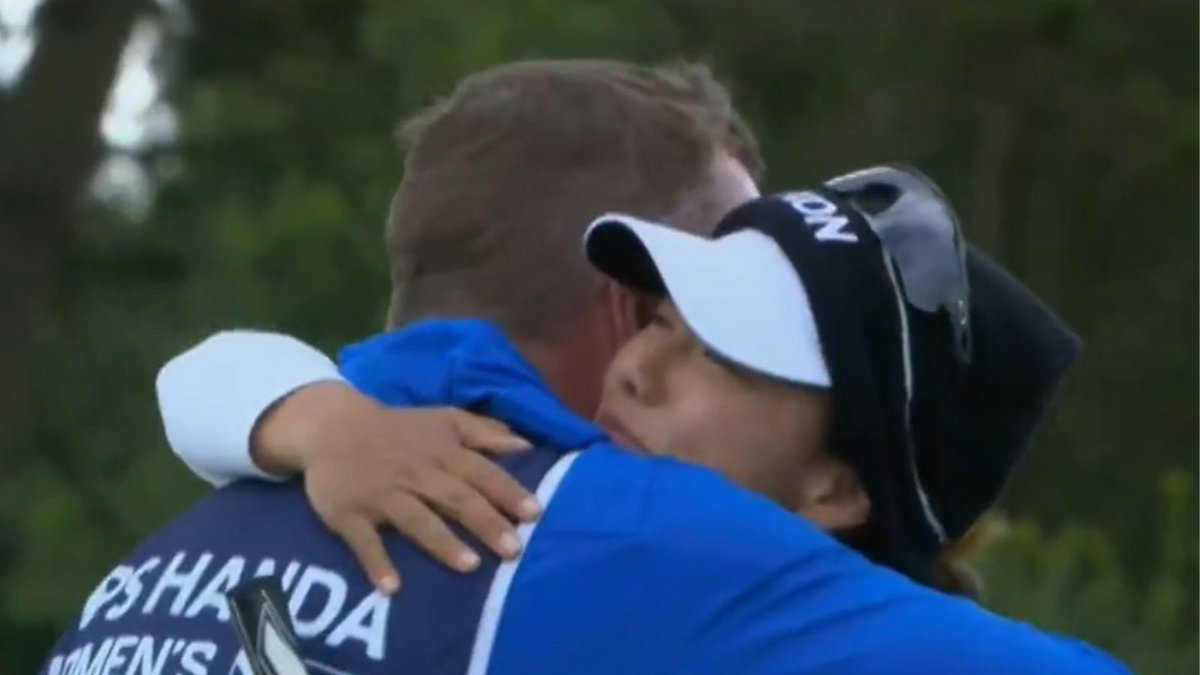

Nelly Korda's post-U.S. Open slump: insights from Scottie Scheffler
Scottie Scheffler sheds light on Nelly Korda's recent performance decline following her U.S. Women's Open win.

Context and background
Nelly Korda, a prominent figure in women’s golf, has been a beacon of talent since her rise to stardom. Her victory at the U.S. Women’s Open earlier this year marked a significant milestone in her career, showcasing her consistency and remarkable skill on the course. That win not only crowned her as one of the top players in the world but also solidified her status as a key player to watch. However, since that triumphant moment, her performance has seemed to plateau, leaving fans and analysts puzzled. To understand this decline, one needs context regarding her previous form, the pressures of professional golf, and the statements made by fellow golfer Scottie Scheffler during a recent interview at The Open.
A closer look at Korda’s recent performance
After clinching the title at the U.S. Women's Open, Nelly Korda enjoyed a brief period of overwhelming confidence and media attention. Many expected her to use this momentum as a springboard into the remainder of the season. Unfortunately, she has seen a dip in her scoring average and some inconsistency in her driving accuracy and putting stats, key factors that had previously driven her success.
Nelly’s average strokes gained per round has shown a downward trend, dropping from an impressive +1.5 after the Open to a more concerning +0.8. Critics have pointed at the rigorous travel schedule and the mental toll of professional golf as potential reasons behind her slow-down. The physical toll of competing at a high level cannot be overlooked, especially in the weeks following a major win.
During The Open, Scottie Scheffler offered an insightful perspective on this phenomenon. The pressure and expectations that come after a major victory can be overwhelming, even for seasoned players. Scheffler, having faced his own share of swings in performance, articulated the nuances of maintaining high-level play in the face of such stress. His observations opened up a dialogue about the mental challenges athletes face on and off the course.
Understanding the mental game
Professional golfing is as much a mental challenge as it is physical. Players continuously battle self-doubt, pressure to perform, and the relentless nature of the sport. For Korda, who is still relatively young in her career, these elements can be particularly daunting. Scheffler emphasized the need for players to practice mindfulness and focus on the process rather than the results.
This philosophical approach can help in navigating the tumultuous waters of competition. It encourages players to concentrate on their game fundamentals, reducing anxiety over expectations and previous achievements. As Korda navigates this challenging phase, it is essential that she reflects on her strengths and channels her focus back to her preparation and routine, elements that brought her success in the first place.
In their own words
"It’s normal to face a slump after reaching such a high after winning a major. The pressures can be immense, and it’s important to remember that golf is a long game, not a sprint."
— Scottie Scheffler
"After my win, I just need to remind myself of why I fell in love with this game. It’s about enjoying the process and not just the outcome."
— Nelly Korda
What’s next for Korda?
Looking ahead, Korda has a crucial opportunity to reassess her approach and hopefully rediscover the form that elevated her to championship status. With several tournaments scheduled in the upcoming months, this period presents a chance for her to make adjustments and regain her competitive spark. Upcoming events will not only test her resilience but provide vital opportunities to implement the lessons learned from recent struggles.
As professional golfers, every player experiences highs and lows. The important aspect is how one responds to adversity. For Korda, support from fellow players like Scheffler and her dedicated fanbase will undoubtedly play a crucial role as she strives to come back stronger. With passion, persistence, and mental fortitude, she can once again rise to the top and reclaim her place among the elite in women's golf.