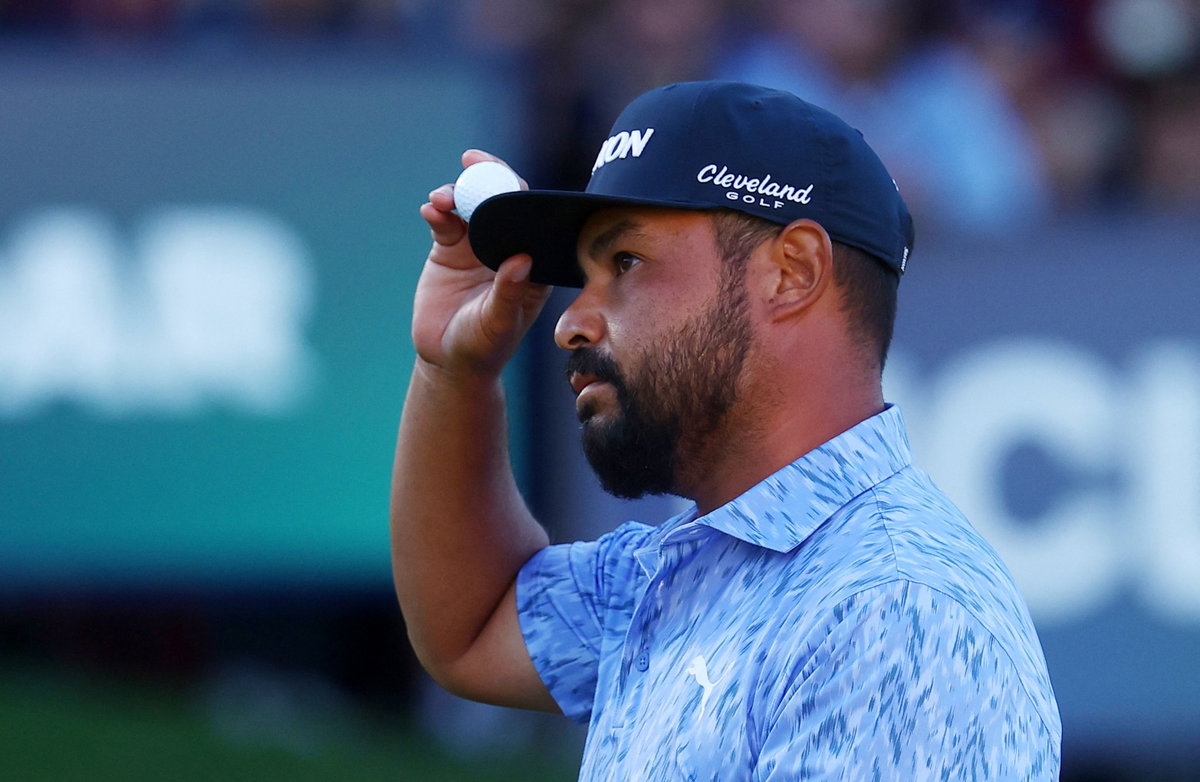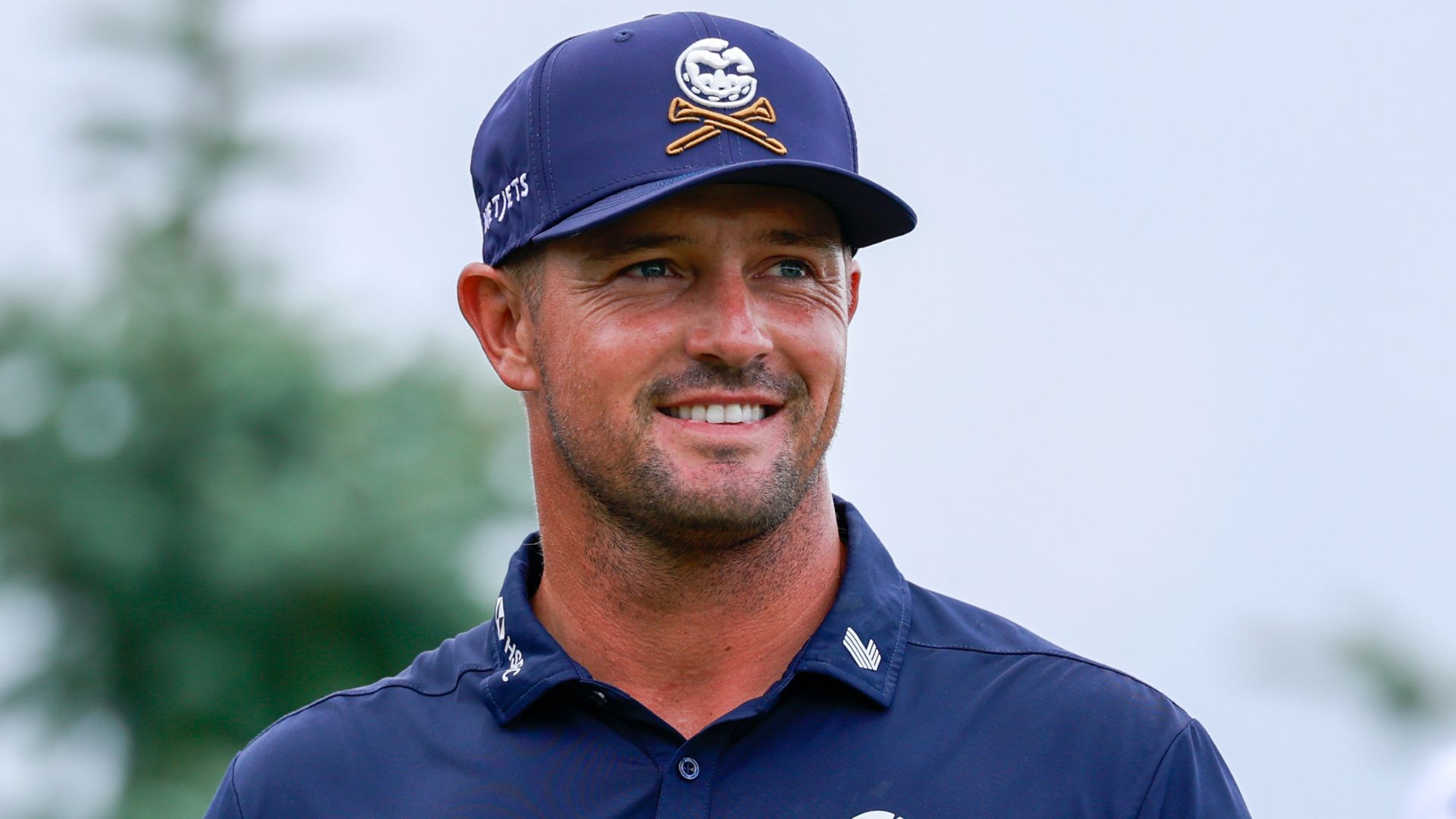

Why is Bryson DeChambeau banned from playing in the Presidents Cup?
DeChambeau's decision to join LIV Golf has led to his exclusion from the upcoming Presidents Cup.
Context and background
The Presidents Cup, a biennial golf tournament that has captivated fans since its initiation in 1994, pits the finest American players against an elite international squad. This prestigious event places top talents on a global stage to showcase their skills in a competitive team setting. However, recent developments in the professional golf landscape have introduced uncertainties for various players, particularly those who have opted to join the controversial LIV Golf series. Bryson DeChambeau, an accomplished golfer recognized for his scientific approach to the game, now finds himself banned from competing in the Presidents Cup, casting a shadow over his participation in traditional golfing events.
The changing landscape of competitive golf
The inception of LIV Golf in 2022 has significantly reshaped the dynamics of professional golf, creating a widening chasm between players who adhere to the conventional tours and those attracted by the financial allure of the new league. Bryson DeChambeau, among several high-profile players, made the bold move to align himself with LIV Golf, drawn in by lucrative contracts and a format that sought to enhance the spectator experience. However, this decision comes with consequences pertaining to participation in established PGA Tour events.
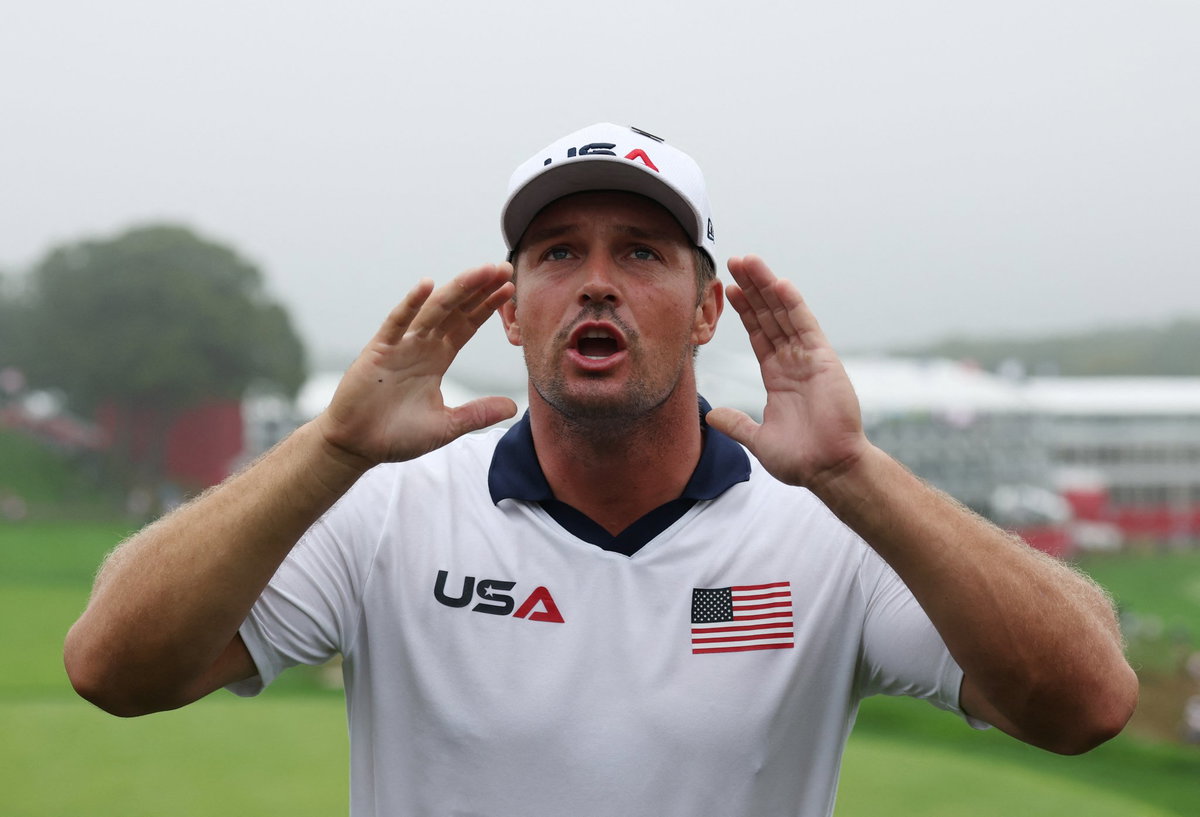
According to current regulations, players affiliated with LIV Golf are ineligible to partake in the Presidents Cup, which will convene at the renowned Medinah Country Club in Illinois. The Veterans of Foreign Wars organization has expressed profound concerns over team selection viability and the overall spirit of competition, prompting discussions on the integrity of such high-stakes tournaments. DeChambeau's absence leaves a conspicuous void in Team USA's roster, which typically features the nation’s top-ranked players. The shift in player eligibility presents unique challenges for crafting a formidable team, harkening back to past lineups that included legends like Phil Mickelson and Tiger Woods, who embodied the spirit of national pride.
DeChambeau’s perspective on the situation
Though disappointed by his exclusion from the Presidents Cup, Bryson DeChambeau maintains an optimistic outlook on his career and prospects for future major competitions. His distinctive approach to golf—rooted in analytics and an unconventional playing style—has earned him a loyal following. Nonetheless, this methodology may present difficulties as the course formats evolve and regulations change.
Interestingly, while DeChambeau is disqualified from participating in the Presidents Cup, the Ryder Cup operates under differing eligibility rules. Scheduled for odd-numbered years, this prestigious event permits players from LIV Golf to integrate into the competition if they secure their positions through world rankings. This divergence raises intriguing questions about the future trajectory of professional golf, particularly concerning other competitors navigating similar transitions.
In their own words
"I believe in my abilities and what I've accomplished. The decisions regarding team formats and participation can be complicated, but I’m excited for what’s to come."
— Bryson DeChambeau
"It’s tough to see players like Bryson miss out, but at the same time, we need to uphold the standards of our sport. It’s essential for the integrity of events like the Presidents Cup."
— PGA Tour Official
What's next
As the golf community continues to grapple with the ramifications of the LIV Golf integration, all eyes will be on how participation rules evolve for esteemed events like the Ryder Cup and future Presidents Cups. For Bryson DeChambeau, this interim break from team competitions presents not an end, but rather a pivotal transition as he adapts to the shifting landscape of professional golf.
With the Ryder Cup looming on the horizon, focus will intensify on how Team USA accommodates players affiliated with LIV Golf and the preparations required for these players to reclaim elite status in the sport. For DeChambeau and his contemporaries, this period can be viewed as ripe with opportunity, as they strive for championship titles and collaborative efforts that might bridge the divide between traditional golfing tours and emerging ventures.