
Golf on the Costa de la Luz: A Practical Guide to Spain's Atlantic Coast
Costa de la Luz
What golf here is actually like
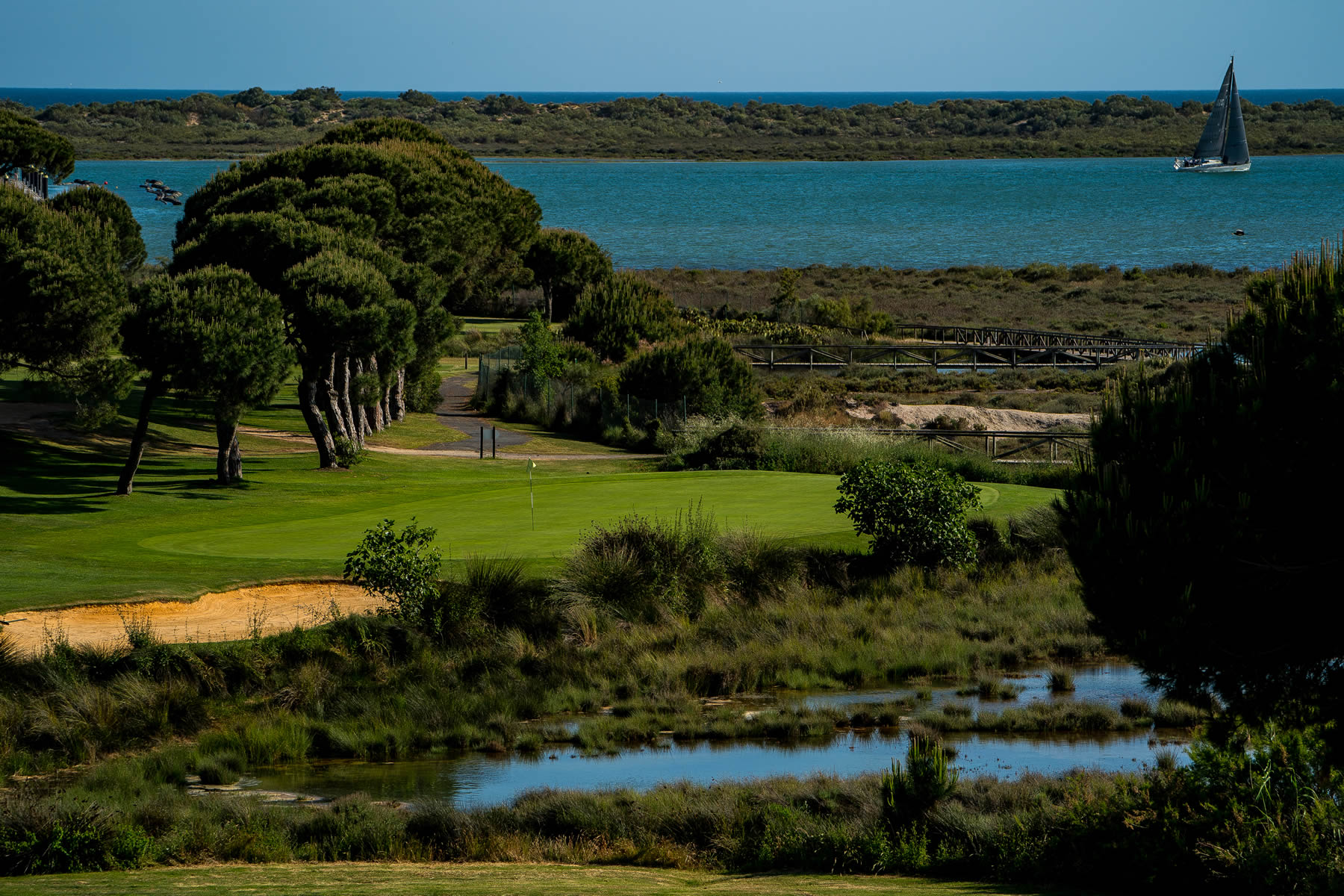
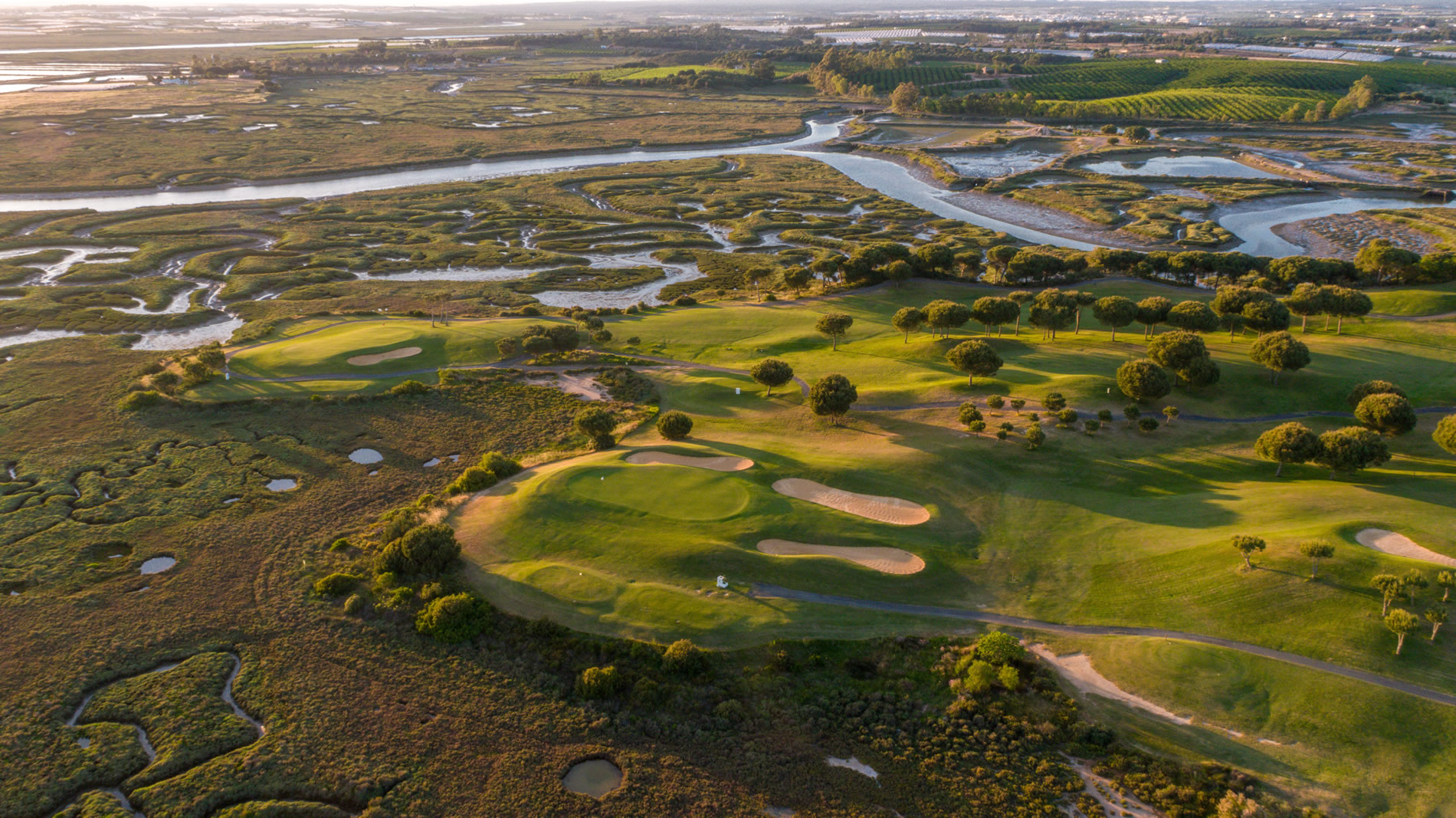
The Costa de la Luz is the Costa del Sol's quieter, breezier cousin. It runs along Spain's Atlantic edge across the provinces of Huelva and Cádiz, and the golf reflects that: wider skies, fewer crowds, and a wind that comes off the ocean rather than the Mediterranean. This is not a place of tightly packed resort courses stacked one against the next. The layouts are spread out, often set behind pine, umbrella pine and dune belts, and several sit close enough to the Atlantic that the wind is a genuine part of the strategy rather than an afterthought.
Prices tend to run softer than the Marbella corridor, tee sheets are easier to get on, and the towns keep a working Andalusian character rather than an all-inclusive one. If you want golf as part of a broader trip — Jerez sherry country, the white villages, the beaches at Rota and Isla Cristina — this coast rewards you more than a single-purpose golf hub would.
When to go
Spring and autumn are the sweet spots. March through May gives you green fairways, mild temperatures and the most reliable playing conditions of the year; the coast is still lush before the summer sun bleaches it. September and October are arguably better still — warm sea, settled weather, and courses that have recovered from peak-season traffic.
Summer is hot inland and busy on the coast, since this is where much of Andalusia takes its beach holiday. July and August fill the towns with domestic tourists, so book tee times and accommodation ahead, and play early to beat both the heat and the afternoon sea breeze, which stiffens as the day goes on. Winter is the low season and the best value: daytime golf is very playable, the Atlantic keeps frosts away, but days are shorter and you'll want a layer for early tee times and windier afternoons. Rain is most likely between November and February, though it rarely settles in for long.
Whatever the month, factor the wind into your planning. On the exposed coastal courses a calm morning and a blustery afternoon can be two different golf courses.
The courses worth planning around
The golf splits fairly neatly between the Huelva side to the west and the Cádiz side to the east, and how you plan a trip depends on which you base yourself near.
The Huelva coast
West of the Guadalquivir, around Cartaya and Isla Cristina, is where the resort golf clusters. Golf El Rompido is the anchor here, with two contrasting 18s: the Campo Norte and the Campo Sur. Having two full courses on one site makes El Rompido the natural hub for a multi-round stay — you can play both without moving your base, and the pairing gives you variety without a drive between rounds.
Islantilla Golf Resort at Isla Cristina is another proper destination course, tied to a resort setup that suits golfers who want everything on one footprint. Nearby, Golf Nuevo Portil at Nuevo Portil and La Monacilla Golf Club and Club de Golf Bellavista — both at Aljaraque, just outside the city of Huelva — round out this western cluster. Bellavista and La Monacilla in particular make sensible add-ons if you're staying near Huelva itself rather than out on the resort strip.
The Huelva side works best as a self-contained trip: base yourself around Cartaya or Isla Cristina, and you have several courses within a short drive of one another.
The Cádiz coast
East of the estuary, the golf spreads out around Cádiz bay, El Puerto de Santa María, Rota and down towards Vejer. Barceló Montecastillo Golf is the best-known name on this side, a long-established resort layout near Jerez that has hosted serious competition over the years and remains the flagship of the eastern courses.
Around El Puerto de Santa María you'll find Vista Hermosa Club de Golf and Golf El Puerto, two courses close to the town that make convenient rounds if you're basing yourself near Cádiz or Jerez. Costa Ballena Ocean Golf Club at Rota lives up to its name — a coastal setting on the bay that catches the Atlantic breeze — and Villa Nueva Golf Resort at Puerto Real sits handily near the bay of Cádiz itself.
Further south, Montenmedio Golf & Country Club near Vejer de la Frontera is worth the detour if you're heading down towards Tarifa and the wilder end of the coast. It sits in a striking stretch of countryside inland from the beaches, and pairs well with a night in Vejer, one of the finest white villages in Andalusia.
One outlier: Las Minas Golf at Aznalcázar sits inland towards Seville, off the coast proper. It's a natural stop if you're travelling between Seville and the Huelva courses rather than a coastal round.
Practical matters
The Costa de la Luz is served by two main gateways. Seville airport is the more useful for the Huelva side and for the inland courses like Las Minas, while Jerez airport puts you right on top of the Cádiz cluster — Montecastillo, the El Puerto courses and Costa Ballena are all within easy reach. Faro in Portugal is also a viable entry point for the western Huelva courses if the flights suit, since the border is close.
A hire car is essential. The two halves of this coast — Huelva to the west, Cádiz to the east — are separated by the Guadalquivir estuary and the Doñana wetlands, and there's no quick coastal hop between them. Realistically you should treat them as two different trips, or accept a longer transfer day if you want to play both. Within each cluster, courses are close together and driving is straightforward on good roads.
A typical trip here looks like this: pick one side, base yourself in a single town, and play a round a day with beach, food and a village or two in between. On the Huelva side that means Cartaya or Isla Cristina and the El Rompido / Islantilla / Nuevo Portil courses. On the Cádiz side it means El Puerto de Santa María or Jerez, with Montecastillo, Vista Hermosa, Golf El Puerto and Costa Ballena all within a short drive, and Montenmedio as a day out to the south.
Green fees on this coast generally sit below the headline Costa del Sol resorts, and tee times are easier to secure, but book the resort courses — El Rompido, Islantilla, Montecastillo — ahead in spring, autumn and high summer. Off-season, you can often play more spontaneously.
Who it suits — and who it doesn't
This coast suits golfers who want their golf woven into a real Andalusian trip rather than sealed inside a resort bubble. If you like the idea of pairing rounds with sherry bodegas in Jerez, fresh fish in El Puerto, and the white villages inland, the Costa de la Luz delivers that far better than the busier costas to the east. It suits players who don't mind — or actively enjoy — wind as a variable, and who value easy tee sheets and softer prices over having twenty courses within ten minutes of each other.
It's a strong pick for a group that wants two contrasting rounds without moving base — El Rompido's two courses make that simple — and for couples or families where not everyone plays every day, given the beaches and towns close at hand.
It suits you less well if you want a dense golf-only itinerary with a dozen courses on one doorstep and a lively resort-strip nightlife. The courses are spread across two provinces, the two clusters don't connect quickly, and the towns keep a quieter, more local rhythm. And if you can't stand playing in a breeze, come in spring or the calmer mornings of autumn rather than a blustery winter afternoon. For everyone else, this is one of Spain's most underrated stretches of golfing coast.