

Costa del Sol Golf: A Practical Guide to Playing Spain's Sunshine Coast
Costa del Sol
What golf here is actually like
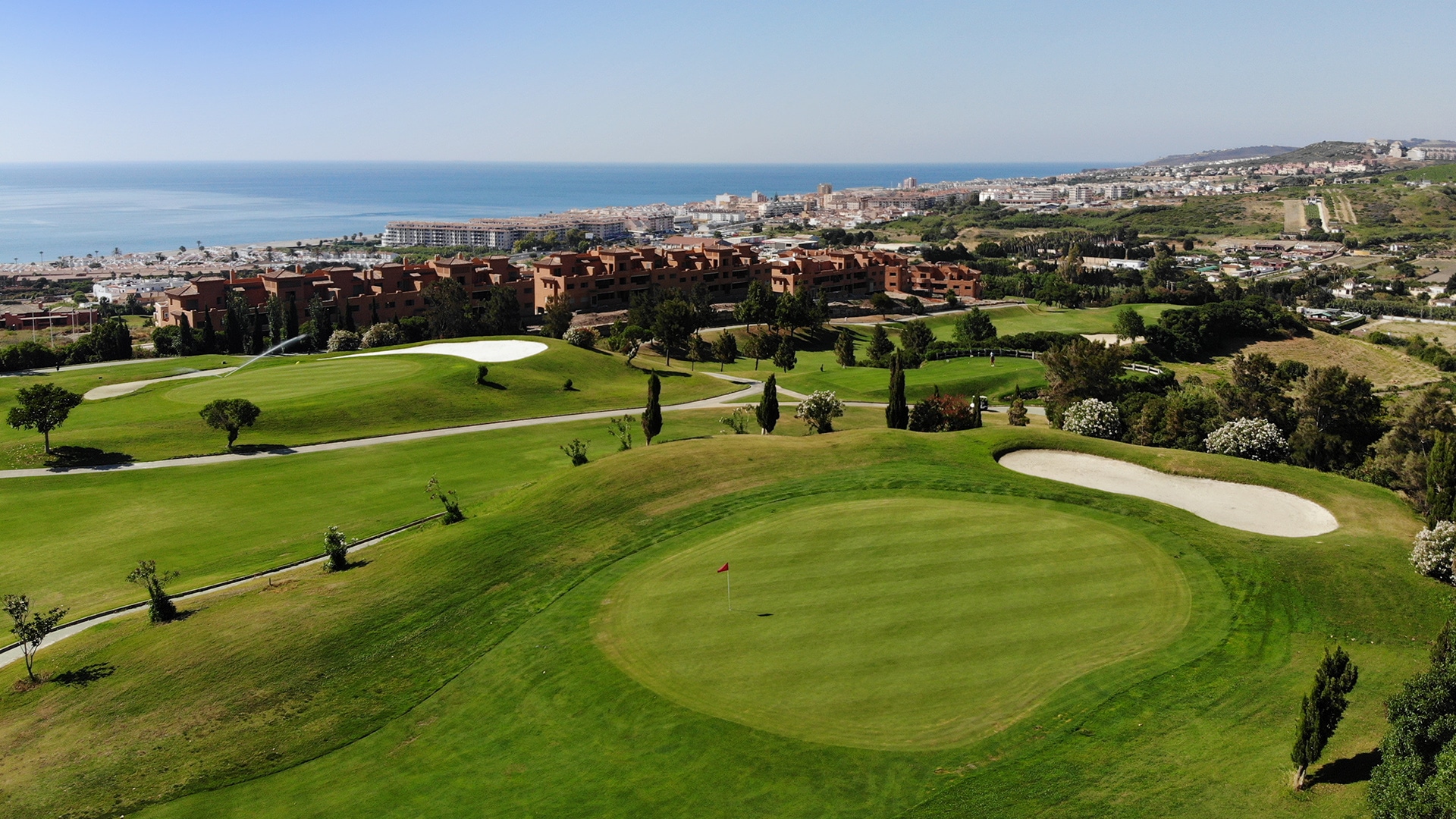
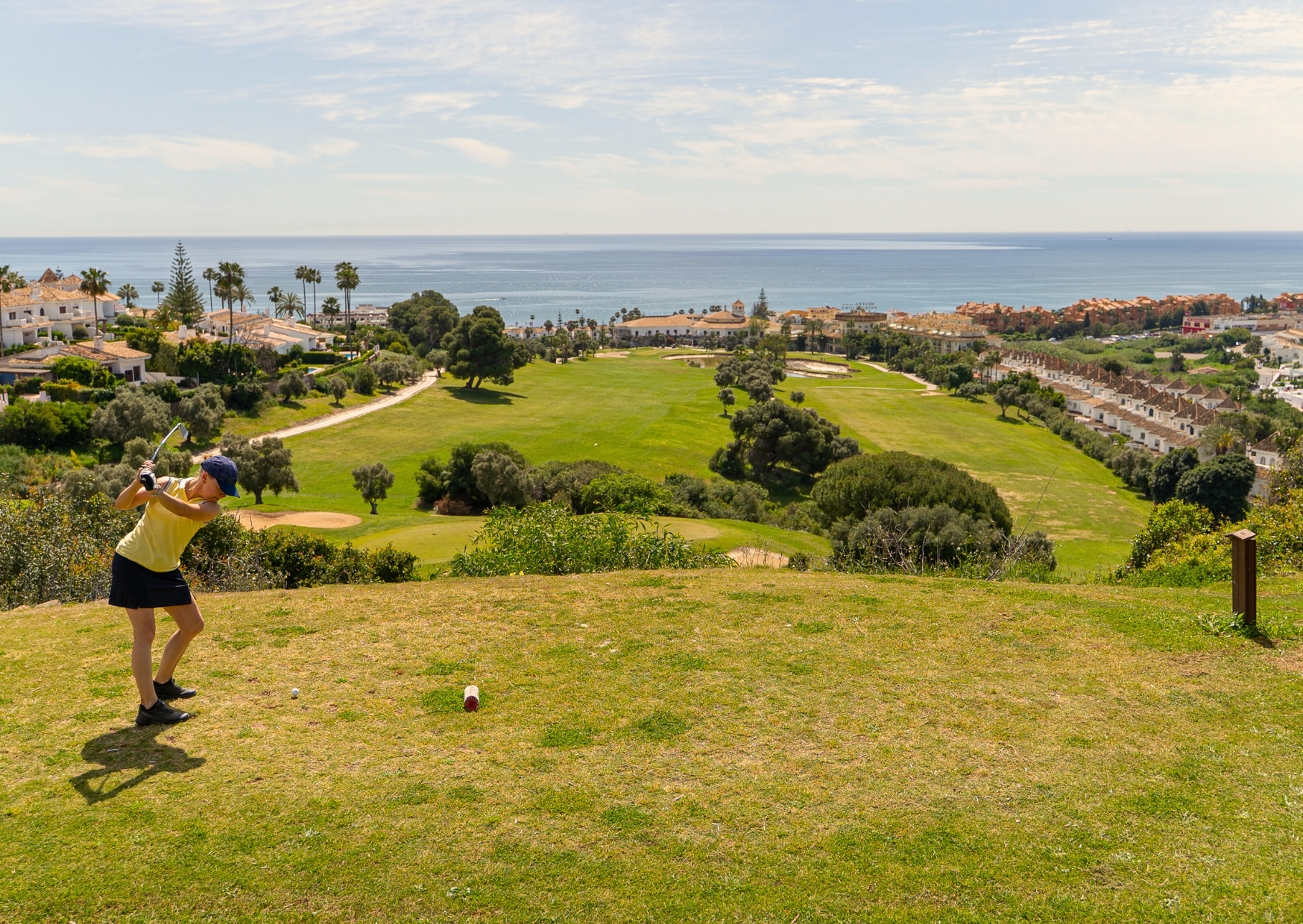
The Costa del Sol earns its nickname — the "Costa del Golf" — through sheer density. A short stretch of Andalusian coastline between Málaga and the Gibraltar frontier holds dozens of courses, and you can reasonably play a different one every day for a week without a drive longer than 40 minutes. The golf is resort golf in the best sense: mature, well-conditioned, mountain-backed, and built to be walked or buggied by visitors rather than defended by members.
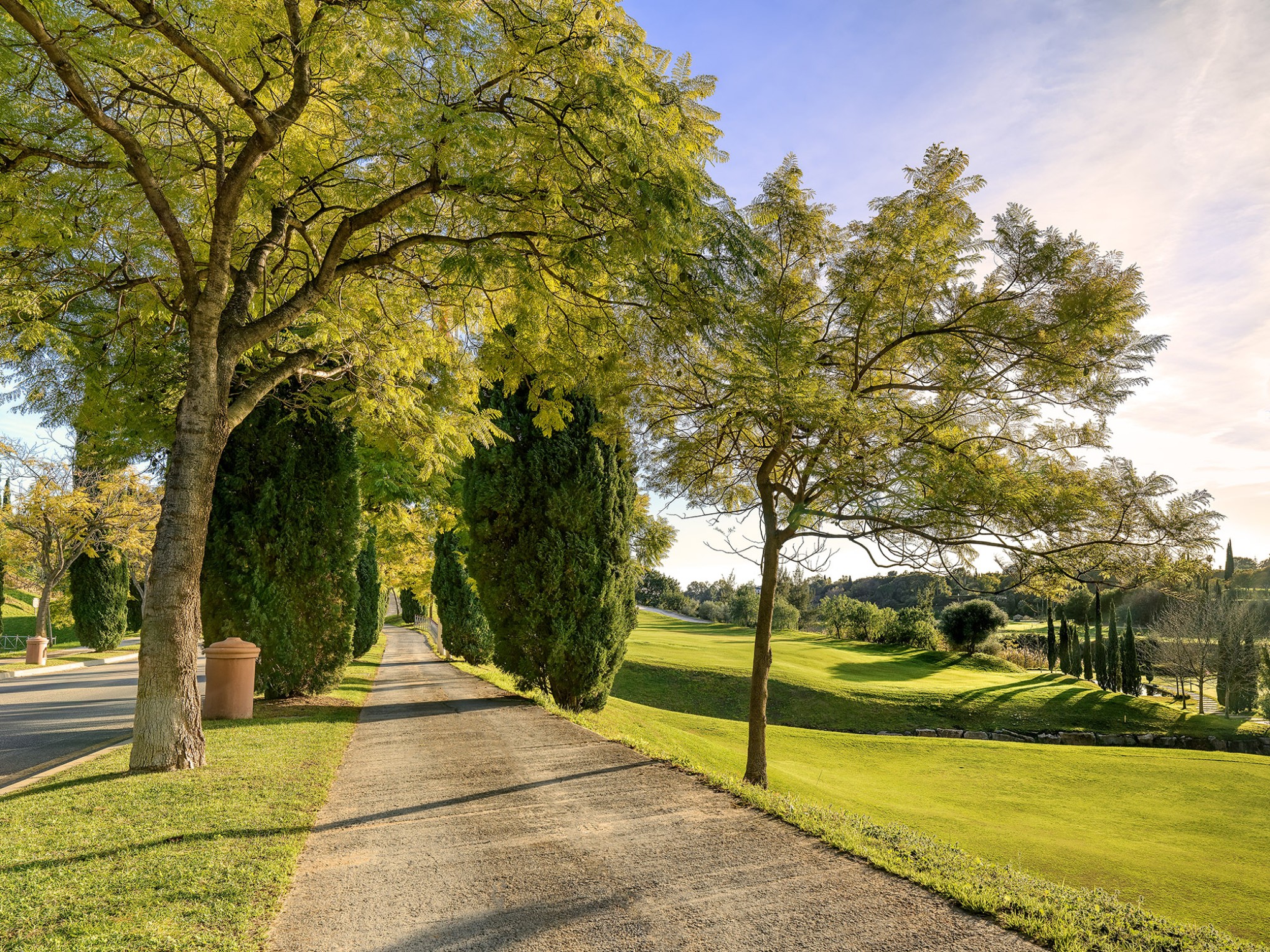
Expect parkland and semi-links layouts threaded between the Sierra Blanca foothills and the Mediterranean. Fairways are often lined with olive, cork oak and citrus; several courses climb enough to hand you sea views on the back nine. It is not a links coast — come here for reliable sunshine and variety, not for windswept purism.
When to go
The Costa del Sol's real selling point is its season length. It is one of the few places in Europe where golf in December or February is not just possible but pleasant.
- Spring (March–May): The prime window. Warm days, green fairways after winter rain, and courses at their visual best. This is peak demand — book tee times and accommodation well ahead.
- Autumn (September–November): The other sweet spot. Sea-warmed evenings, settled weather, and slightly easier availability than spring.
- Winter (December–February): High season for northern European golfers escaping the cold. Daytime temperatures are comfortable for play, mornings can be cool, and the low winter sun makes for atmospheric rounds. Book early — this is busier than outsiders expect.
- Summer (June–August): The quiet season for golf. Heat and humidity make midday rounds hard work; play early morning and expect the lowest green fees of the year. The coast itself is packed with beach tourists, so traffic increases even as fairways empty.
Overall, the shoulder months give you the best combination of conditions and availability. Whenever you come, morning tee times are worth chasing — they beat both the heat and the afternoon crowds.
The courses worth planning around
Marbella and San Pedro — the heart of it
Marbella is where most visitors base themselves, and the concentration of golf here makes it the natural anchor for a trip.
Los Naranjos Golf Club is one of the marquee names of the area, a mature parkland layout in the Nueva Andalucía "Golf Valley" behind Puerto Banús. It is the sort of course you plan a trip around rather than slot in as a filler.
Real Club de Golf Guadalmina in San Pedro de Alcántara is one of the coast's long-established clubs and a genuine institution, with the pedigree and setting to match. It sits close to the sea and pairs naturally with the neighbouring La Resina Golf & Country Club in Guadalmina Alta for a two-round day in the same corner.
Also in and around Marbella, Marbella Golf Country Club and Santa Clara Golf Club Marbella are dependable, well-run resort courses that suit the everyday golf trip. Santa Clara in particular is an easy one to recommend for a relaxed round without a punishing card.
The Benahavís high ground
Tramores Golf and Alferini Golf sit inland behind Marbella in the hills, where the terrain gives elevation, mountain backdrops and a different feel from the coastal courses. If you want your golf a little wilder and more scenic than the flat resort layouts, this is the direction to head.
Mijas and the eastern stretch
East of Marbella toward Fuengirola, the Mijas area adds several practical options. Calanova Golf Club at La Cala de Mijas is a well-regarded course with the rolling, open character typical of this section of coast. Cerrado del Aguila Golf and La Siesta Golf Calahonda, both in Mijas-Costa, are shorter, friendlier tests — good for a warm-up round, a relaxed second round of the day, or a group with mixed handicaps. Alhaurin Golf, further inland at Alhaurín el Grande, brings you into the hills below the Sierra de Mijas for a change of scenery.
Estepona, Casares and the western end
West of Marbella the coast is quieter, the resorts more spread out, and the golf often better value. Valle Romano Golf & Resort in Estepona is a strong, modern layout and a natural base if you want to stay away from the Marbella bustle. Further west, Doña Julia Golf Club in Casares runs down toward the sea with attractive changes in elevation, and La Duquesa Golf & Country Club in Manilva sits above the marina with coastal views. This western cluster works well as a self-contained few days for golfers who prefer calm over glamour.
Practical matters
Getting there. Málaga–Costa del Sol Airport (AGP) is the gateway, with year-round connections across Europe and beyond. It sits at the eastern end of the golf coast, so most of the courses in this guide are a 30–60 minute drive west of the terminal along the A-7 coastal motorway and the AP-7 toll road.
Getting around. Hire a car. Public transport exists along the coast but is impractical for golf with clubs and morning tee times. The good news is that distances are short: the courses here span roughly from Estepona and Casares in the west to Mijas in the east, and you can reach almost any of them from a Marbella base within about 40 minutes. The bottleneck is traffic, not distance — the coastal road clogs badly in summer and around Marbella and Fuengirola at peak times, so allow buffer time for a first tee.
How a trip usually looks. The classic setup is a single base — most often Marbella or San Pedro — with courses radiating out in both directions. Play the marquee courses like Los Naranjos and Guadalmina on your sharper mornings, and slot the shorter Mijas layouts like Cerrado del Aguila or La Siesta into afternoons or as recovery rounds. If you want a change of pace, a two- or three-night split with a second base at Estepona opens up the western courses — Valle Romano, Doña Julia, La Duquesa — without long daily transfers.
Booking. Green fees vary widely by course and season, and winter and spring in particular reward advance booking. Many visitors package tee times with accommodation through the resort courses; independent travellers should still reserve rounds ahead in the busy months rather than turning up.
Who it suits — and who it doesn't
The Costa del Sol suits the golfer who wants volume, reliability and sunshine within easy reach of good food, beaches and nightlife. It is close to ideal for a buggy-riding group trip: short transfers, plenty of courses to rotate through, and a range from serious tests like Los Naranjos to gentler outings like Santa Clara and La Siesta. It is also one of the strongest winter-golf destinations in Europe, which makes it a genuine off-season option when much of the continent is frozen.
It suits couples and mixed-ability groups too — the softer Mijas and western courses give non-obsessives a manageable game while the stronger players get their fix elsewhere in the week.
It is a weaker fit if you are chasing raw links golf, remoteness or solitude — this is a developed, tourist-heavy coast, and in high summer the traffic and crowds are real. Purists after a windswept, walking-only experience will find the resort character too polished. And anyone hoping to get around cheaply without a car will struggle; this is a destination built around driving from course to course. But for the traveller who wants dependable sun, a deep bench of courses and short distances between them, few places in Europe deliver as consistently.