Golf in Oslo & South Norway: A Practical Guide to the Season, the Courses and the Logistics
Oslo & South Norway
What golf here is actually like
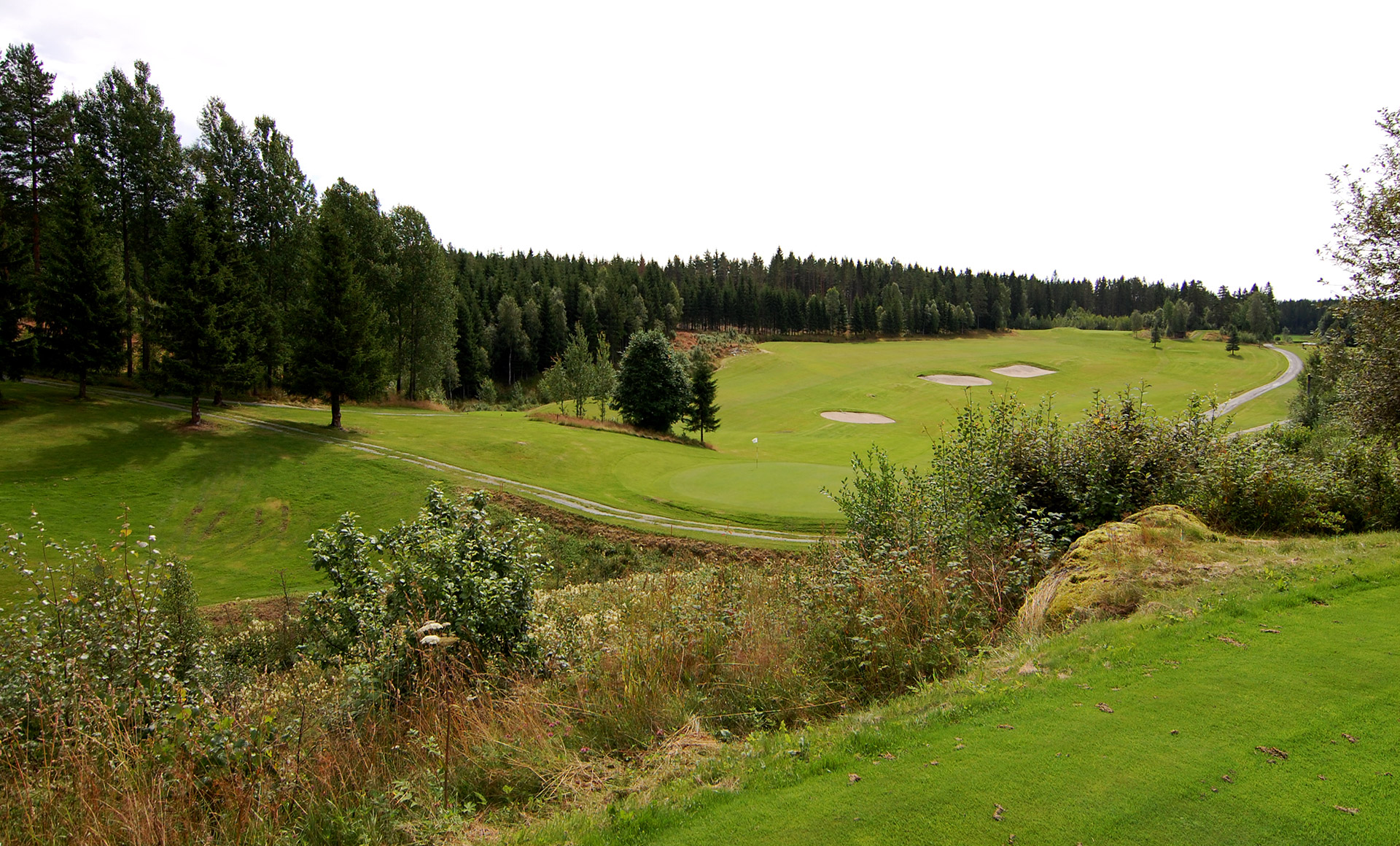
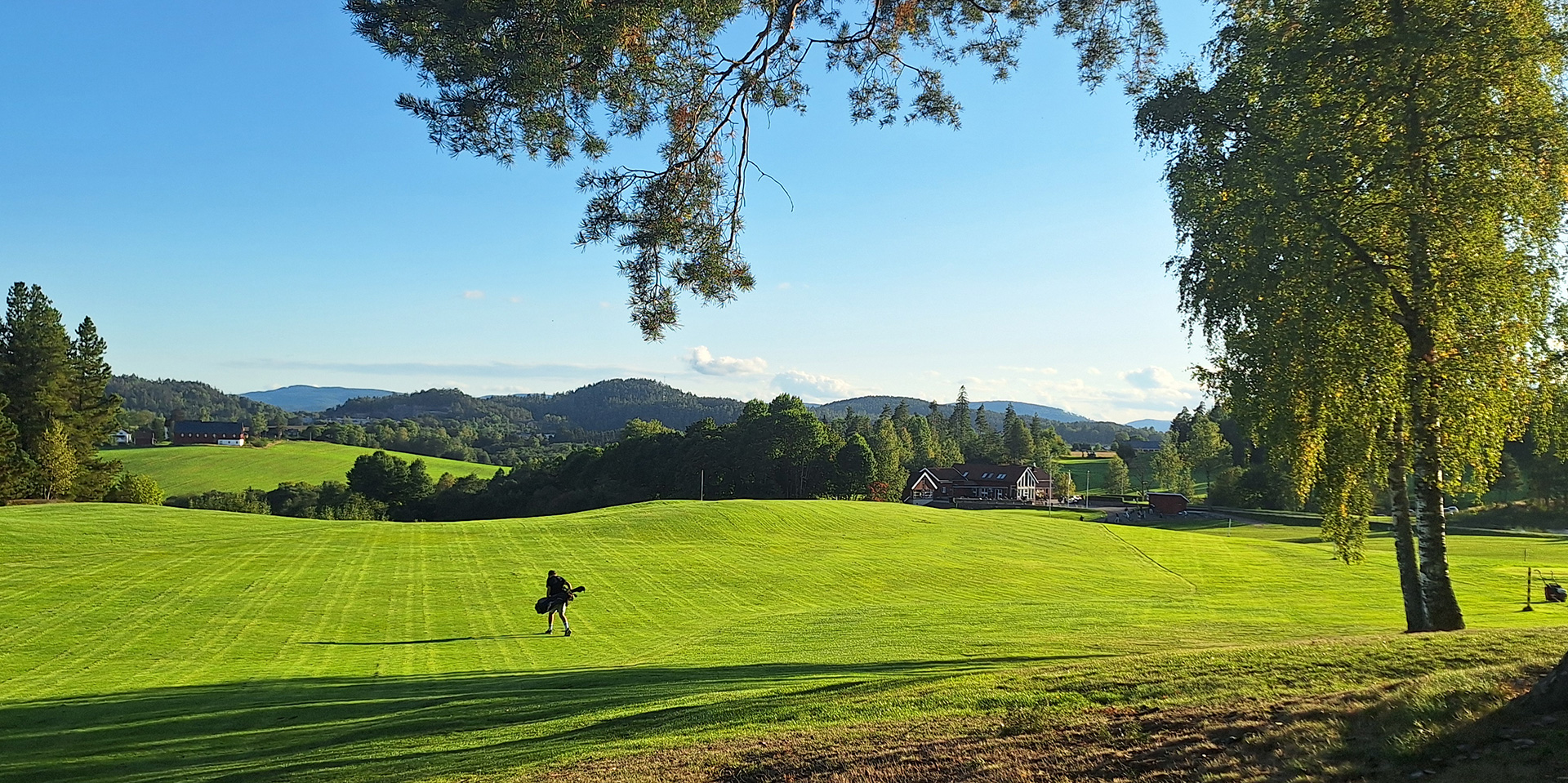
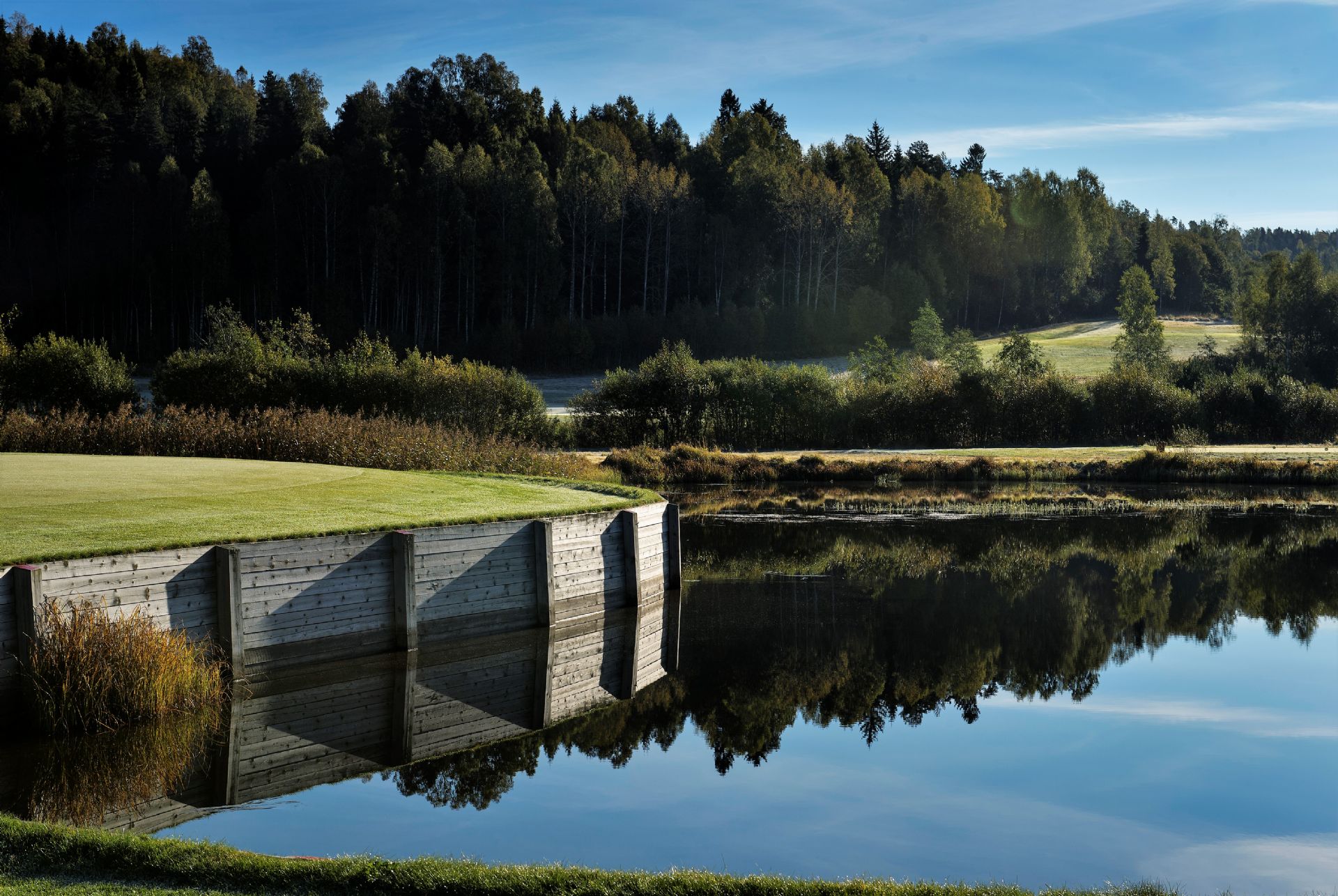
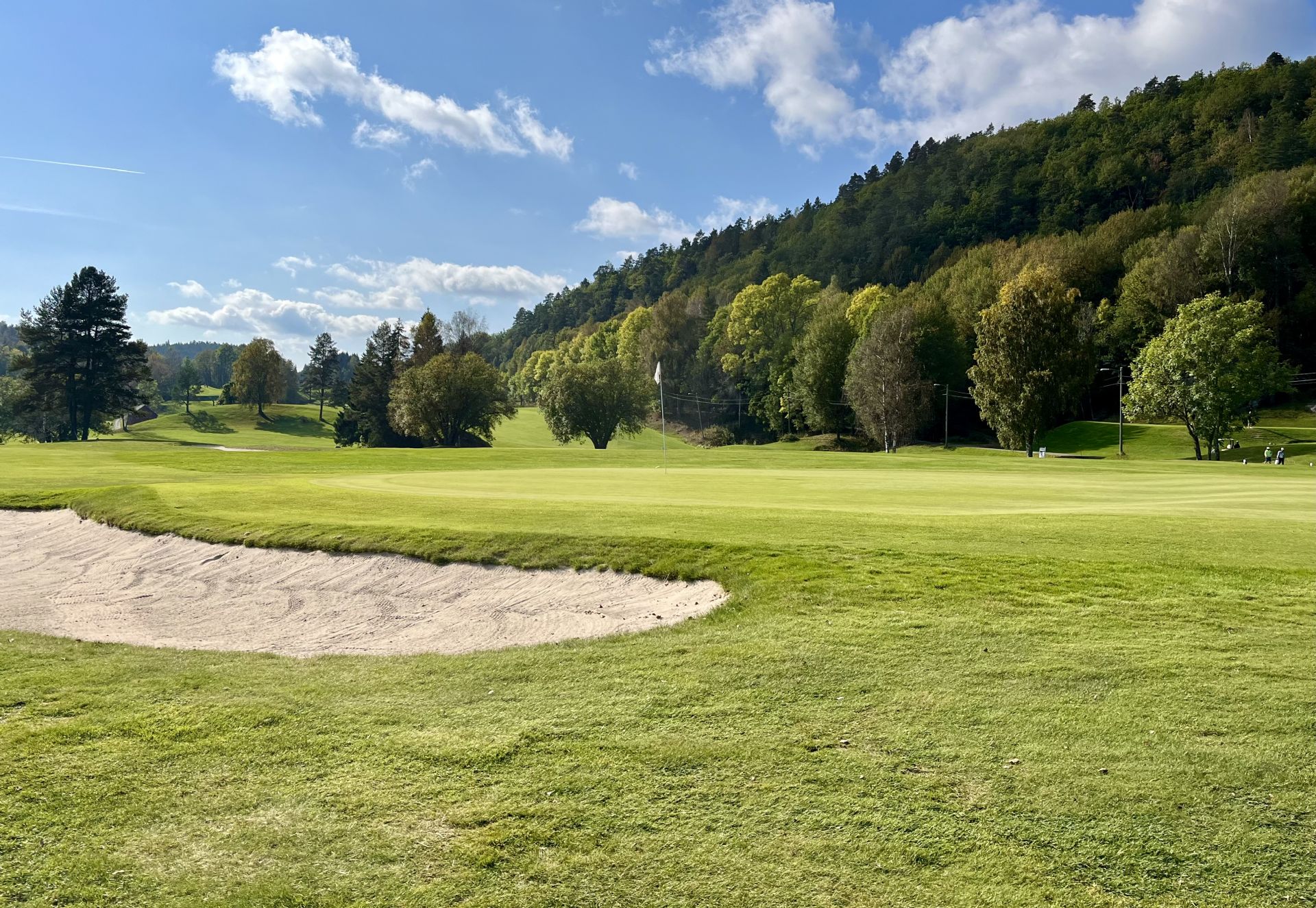
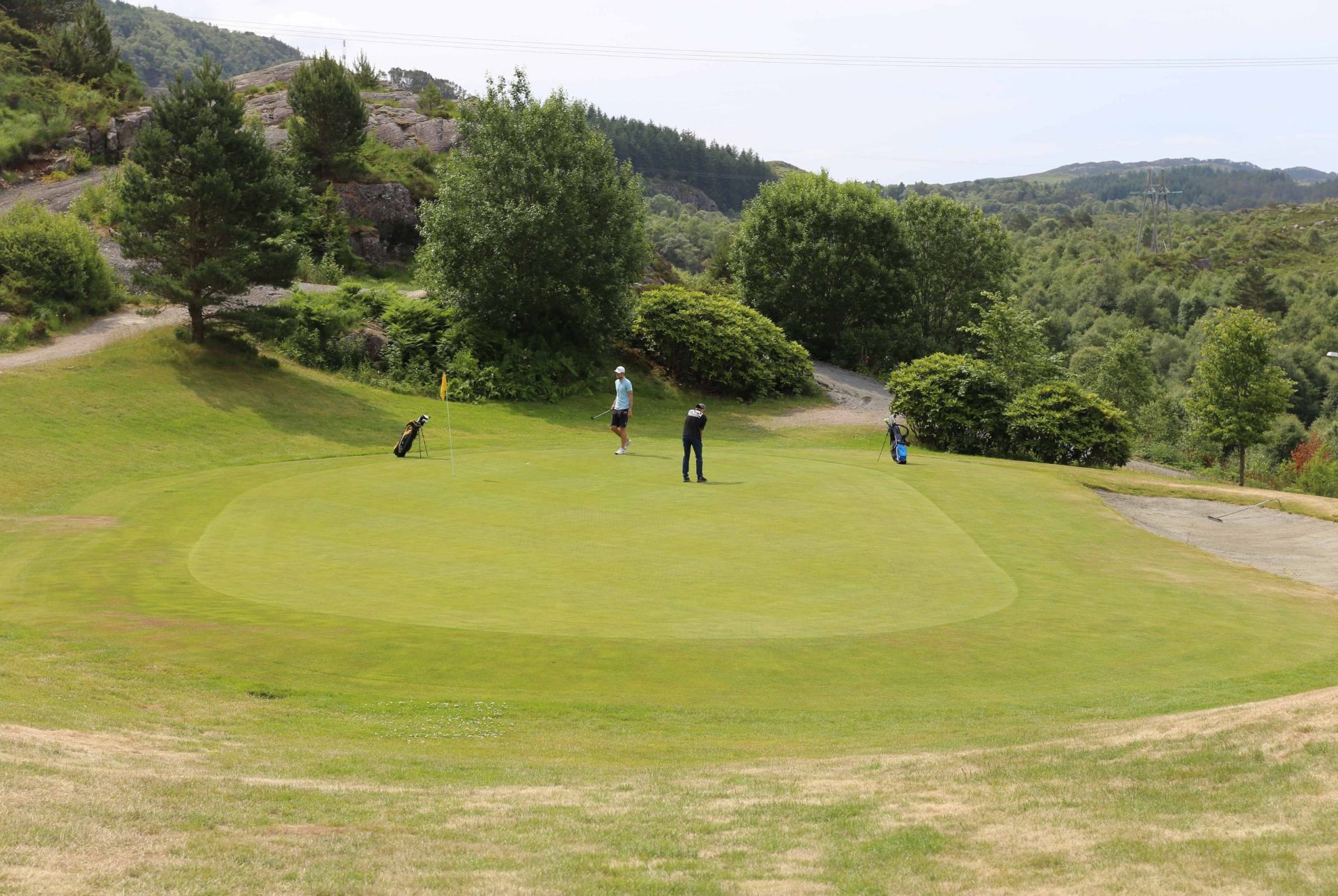
Golf in Oslo and South Norway is a short, intense summer pursuit played against some of the most dramatic natural scenery in European golf. This is forest-and-fjord country: fairways carved through spruce and birch, holes that fall away toward water, and a lot of elevation change that never quite lets you settle into a rhythm. Courses tend to be relatively young, well-conditioned in season, and built to work with the landscape rather than flatten it.
The trade-off is the window. Play here between roughly May and September and you get long daylight, forgiving temperatures and green, fast-growing turf. Come outside that and you are gambling with snow, waterlogging and closed clubhouses. Plan around the season and the reward is genuinely memorable golf; ignore it and you will find locked gates.
When to go
The playing season in this part of Norway is short and front-loaded with quality. Most courses open when the frost clears and the ground dries, which usually means May, and they run through to late September or into October depending on the autumn.
- June and July are peak. This is the sweet spot: warm, stable weather, courses in their best condition, and the famous northern light that keeps you playing well into the evening. It is also the busiest time, so tee times at the popular Oslo-area clubs go quickly, especially at weekends.
- May and September are the shoulder months. Cooler, a little wetter, and the daylight shrinks fast in September, but greens are quieter and availability is far better. September in particular can deliver crisp, clear golfing days.
- The coast versus inland. The southwest around Bergen and Stavanger is milder and wetter thanks to the Gulf Stream; the inland Oslo region is drier but can turn colder sooner. Bring waterproofs regardless of the forecast.
One practical note that catches visitors out: many Norwegian clubs still expect a handicap or a basic proficiency card, and starter-times can be structured around member play. Book ahead and confirm access rather than assuming walk-up availability.
The courses worth planning around
Around Oslo
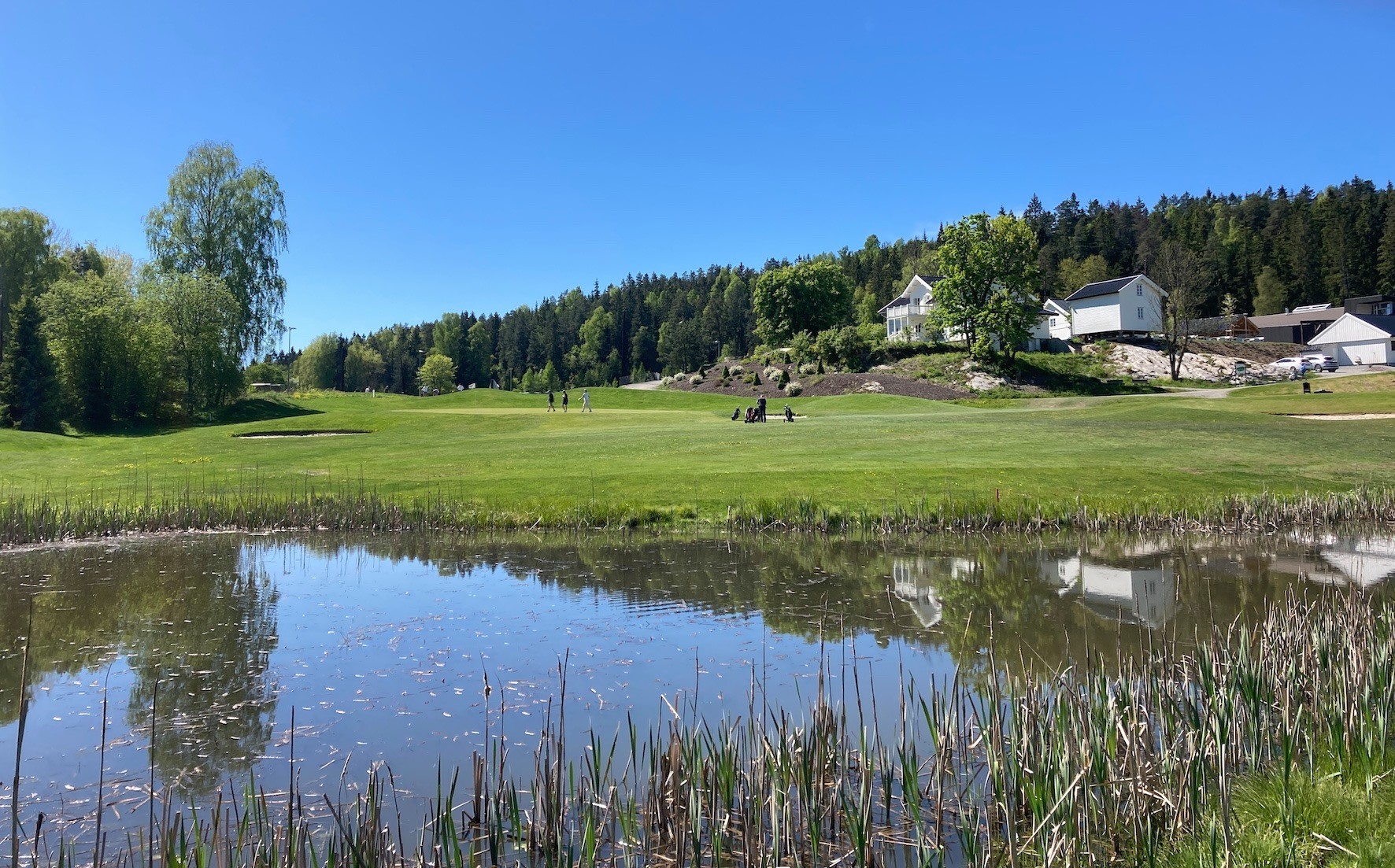
The capital region has the densest cluster of golf and makes the natural base for a trip. Losby Golfklubb is the one most visitors build a day around. Set in the forested Losby valley on the eastern edge of the city, it pairs mature parkland golf with a genuine sense of seclusion, and it has the infrastructure to handle a proper golf outing. If you play only one course near Oslo, this is a strong candidate.
Kjekstad Golfklubb, southwest of the city toward Røyken, is one of the more established clubs in the region and a good example of Norwegian forest-and-heath golf: tree-lined corridors, rolling ground and a layout that rewards accuracy over brute length. It plays well as a contrast to the parkland feel of Losby.
For rounds that fit around city time, Gjersjøen golfbane to the south and Losby to the east bracket Oslo neatly. Further out, Mørk golfbane and Askim golfklubb sit in the countryside southeast of the city in the Østfold direction, both worth the short drive if you want quieter fairways and a more rural setting. North of Oslo, Gjerdrum golfklubb is handy if you are staying near the airport at Gardermoen, since it is on that side of the city.
The south coast
Norway's southern coastline, the stretch that Norwegians themselves flock to in summer, has a small handful of clubs that reward a detour if you are touring by car. Kragerø Golfklubb sits in one of the prettiest coastal towns in the country, an archipelago setting of islands, skerries and summer houses, and it is the sort of place where the round is as much about the surroundings as the scorecard. Arendal & Omegn Golfklubb, further along the Sørlandet coast, gives you another coastal-Norway experience and works neatly into a road trip between Oslo and Stavanger.
The southwest: Stavanger and Bergen
The Stavanger region is Norway's mildest golf country. Jæren Golfklubb and Randaberg Golfklubb both sit in the flatter, more open Jæren landscape south and around Stavanger, a coastal agricultural plain that produces terrain closer to links-adjacent golf than the forested Oslo clubs. If you associate Norwegian golf only with trees and elevation, this area is the corrective, and the maritime climate means the season here can run a touch longer.
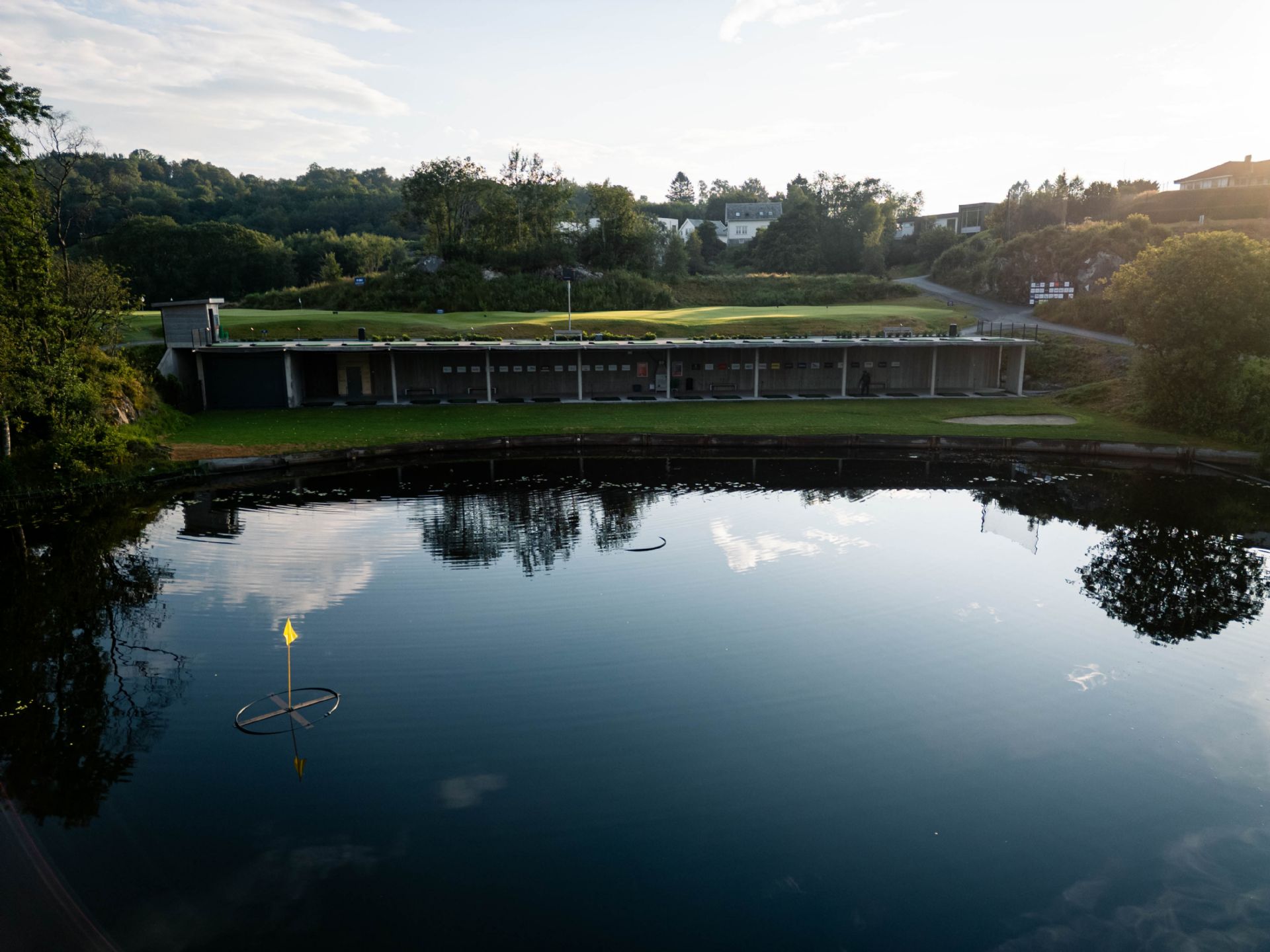
Around Bergen, the golf is scattered across islands and fjord shores, which is exactly what makes it striking. Fana Golfklubb is the most convenient to the city itself. Out on the islands west of Bergen, Sotra Golfklubb and Meland golf deliver classic west-coast Norwegian scenery of rock, water and sky, while Bjørnefjorden Golfklubb to the south places you right on the fjord. This is beautiful, weather-exposed golf; the Bergen area is one of the rainiest in Europe, so plan flexibly and accept that a shower is part of the deal.
Practical matters
The single most important thing to understand about golf in Oslo and South Norway is scale. This is a long, spread-out country, and the destination stretches from the Oslo forests in the east, along the south coast, and up the western seaboard through Stavanger to Bergen. These are not clusters you can hop between casually.
- Oslo as a base. If your trip is centred on the capital, you can reach Losby, Kjekstad, Gjersjøen, Mørk, Askim and Gjerdrum within a manageable drive and structure a comfortable multi-day itinerary without long transfers. A hire car is close to essential; many courses sit outside the city and are awkward to reach by public transport with clubs.
- The south-coast road trip. Driving from Oslo down the E18 toward Stavanger takes you past the Sørlandet coast, where Kragerø and Arendal & Omegn make natural stops. This is a scenic route and a rewarding way to string coastal golf together, but budget real driving time.
- Stavanger and Bergen are their own trips. Randaberg and Jæren around Stavanger, and Fana, Sotra, Meland and Bjørnefjorden around Bergen, are far enough from Oslo that they make more sense flown into directly. Both cities have good airports, and combining a couple of days' golf with the fjord scenery is the smart play. The islands west of Bergen involve bridges and ferries, so leave margin in your schedule.
On green fees and pricing: Norway is an expensive country, and golf is no exception. Confirm current rates directly with each club when you book, along with buggy availability, as many Norwegian courses are walking-oriented and hilly.
Who it suits, and who it does not
This destination rewards the golfer who treats scenery and setting as part of the game. If you want your rounds framed by forest, fjord and coastline, and you are happy to plan around a short summer season and drive between clubs, Oslo and South Norway will more than deliver. It suits independent travellers with a hire car, players comfortable on undulating terrain, and anyone combining golf with a wider Norwegian holiday of cities, coast and mountains.
It suits less well the golfer chasing high-volume, back-to-back rounds on a tight budget, or anyone expecting a compact resort where every course is ten minutes apart. The distances are real, the weather on the west coast is genuinely unpredictable, and the season is narrow. Come outside summer and you risk closures; come without a plan and the logistics will eat your days. Get the timing and the routing right, though, and few places in Europe pair golf with landscape as memorably as this.