My definitive ranking of the best golf tees: can anything beat the much-loved pink castle?
Uncover the best golf tees in the game as we rank them, with the iconic pink castle leading the way but facing eco-friendly criticism.
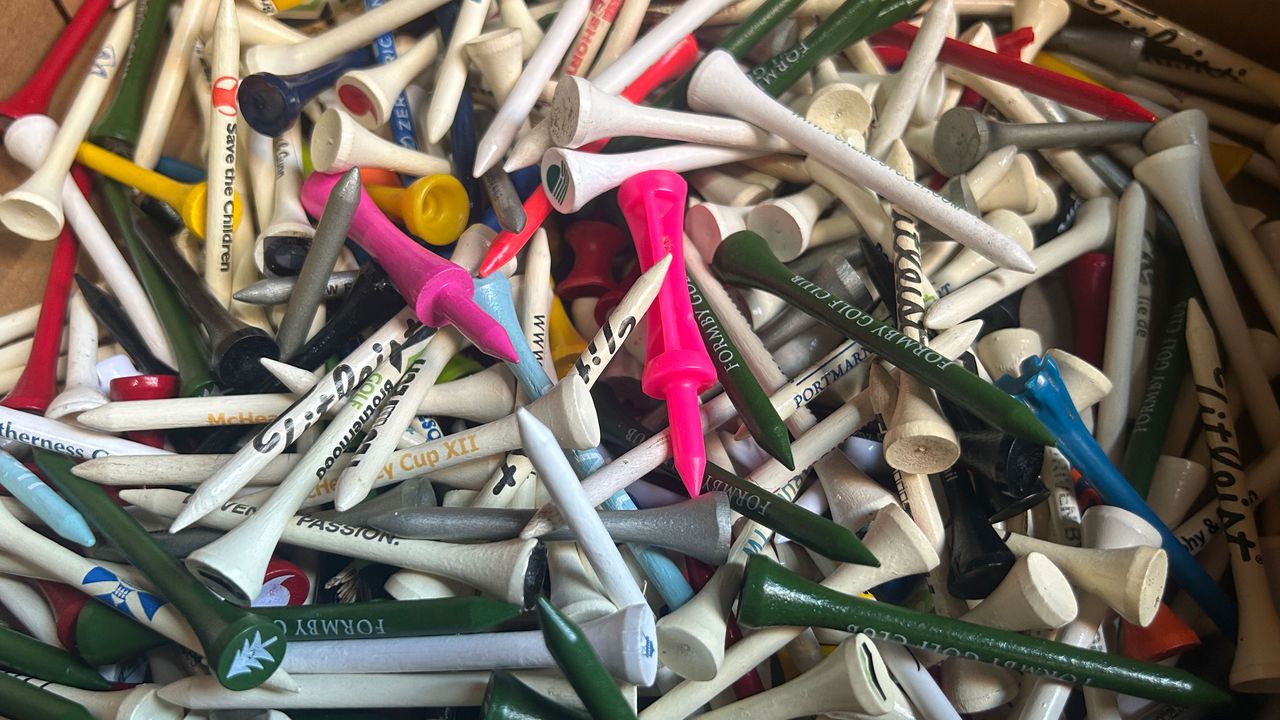
Setting the stage for golf tee supremacy
In the vast arena of golf accessories, one item often relegated to the sidelines is the humble tee. Yet, this small tool plays a pivotal role in the game, serving as the platform from which a golfer propels their drive. Among the myriad of options available, few have garnered the affection and loyalty of players like the beloved pink castle tee. However, as the game evolves, so do our standards and expectations when it comes to equipment. With increasing awareness about environmental sustainability, golf enthusiasts are now questioning whether the longstanding favorite can maintain its throne or if it's time for a change.
Context and background
Tees have a rich history that can be traced back to the late 19th century when golfers used small wooden blocks or even sand to elevate their balls for the initial stroke. Fast forward to today, and the options are endless—plastic, biodegradable, and even custom-designed tees are in the mix. The pink castle tee, often recognized by its distinctive shape and eye-catching color, has become a hallmark for many players. Launched over two decades ago, this tee offers convenience and visual appeal but isn't without its shortcomings.
Statistics reveal the extent of its popularity: surveys among weekend warriors and seasoned pros alike consistently name the pink castle among the most used tees on the course. However, with the growing trend towards sustainability in golf, the longevity of this favorite is now a subject of heated debate.
Old favorite under scrutiny: the pink castle tee's legacy
The pink castle tee's design is both simple and effective. Often made from plastic, it features a saucer-like top that helps in reducing friction between the ball and the tee, leading to improved distance and accuracy for drives. But as golfers increasingly turn their focus towards environmentally friendly practices, the long-lasting plastic nature of the pink castle has come under fire. While it may last longer than traditional wooden tees, it is far from recyclable or biodegradable. This raises an important question—can nostalgia and past effectiveness outweigh ecological responsibility?
The golfing community is responding with a burgeoning interest in eco-friendly alternatives that promise the same functionality without the environmental impact. Materials such as bamboo, biodegradable polymers, and even recycled materials are gaining traction. Couples, partners, and communities often share their experiences, leading to informal but widespread discussions about more eco-conscious choices on the tee box.
In their own words
"The pink castle will always hold a special place in my heart, but I've started using bamboo tees for my casual rounds. It feels good to make a difference, even in small ways."
— Sarah Johnson, avid golfer
"I can't deny the performance of the pink castle tees, but I’ve recently switched to an organic alternative. Ecology matters more to me than nostalgia at this point."
— Mark Thompson, PGA professional
What's next for golf tees?
The trajectory of golf tees is likely to mirror the evolving landscape of the sport itself. As manufacturers rush to innovate more sustainable options, golfers will have a wide array of choices catering to both performance and eco-consciousness. Upcoming industry expos, golf tournaments, and sustainability-focused events will surely feature these innovative designs and materials, sparking further discussion among players about their preferences.
As we look ahead, the challenge is clear: will the pink castle tee remain a beloved staple in the game, or will it fade away in favor of more sustainable alternatives? Golfers will need to weigh their fondness for the classic against a growing responsibility towards preserving the very landscapes they play on. With technological advances in materials science, we may soon see a new contender emerge that successfully combines the best of both worlds: traditional performance and modern eco-friendliness, redefining what it means to enjoy a round of golf.